
Logbuch
re:demo Schulprojekttag: Zivilgesellschaft und Engagement im deutsch-tschechischen Grenzraum
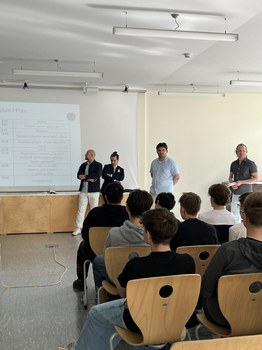
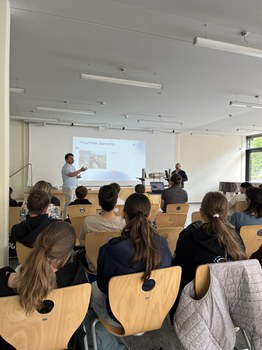
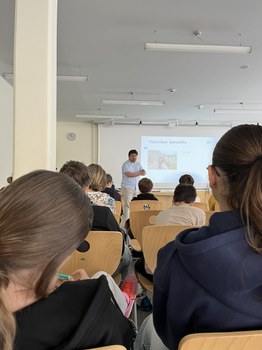
Am 21. Mai 2026 fand an der Oberschule Adam Ries in Annaberg-Buchholz unser deutsch-tschechischer Projekttag im Rahmen des Projekts re:demo – Dialog fördern und Gemeinschaft stärken / Podpora dialogu a posílení komunity statt. Es nahmen deutsche und tschechische Schülerinnen und Schüler der 7. bis 9. Klasse teil, um sich mit Fragen des gesellschaftlichen Zusammenlebens, lokaler Teilhabe und zivilgesellschaftlichen Engagements auseinanderzusetzen. Ziel des Tages war es, den Austausch über Ländergrenzen hinweg zu fördern und junge Menschen dazu anzuregen, sich aktiv mit ihrer Region und gesellschaftlichen Herausforderungen zu beschäftigen.
Zum Auftakt des Tages stand zunächst das gegenseitige Kennenlernen im Mittelpunkt. Mithilfe eines interaktiven Bingo-Spiels kamen die deutschen und tschechischen Schülerinnen und Schüler miteinander ins Gespräch. Fragen zu Interessen, Erfahrungen und verschiedenen Formen gesellschaftlichen Engagements boten Anlass zum Austausch und ermöglichten es den Jugendlichen, erste Gemeinsamkeiten zu entdecken.
Anschließend stand ein gemeinsames Vokabel- und Bewegungsspiel in Kleingruppen auf dem Programm. In deutsch-tschechischen Gruppen suchte ein Teil der Schülerinnen und Schüler Begriffe rund um Zivilgesellschaft, gesellschaftliches Engagement und Partizipation im Schulgebäude, während die anderen Gruppenmitglieder die Begriffe notierten und gemeinsam versuchten, sie in einen englischsprachigen Lückentext einzusetzen. Die Jugendlichen erweiterten dabei spielerisch ihren Wortschatz und beschäftigten sich zugleich mit zentralen Begriffen des Projekttages wie „community“, „volunteers“ oder „participation“.
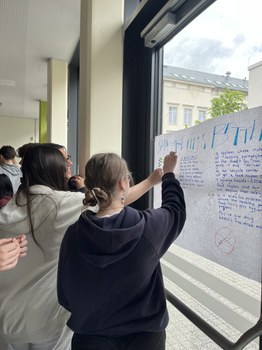
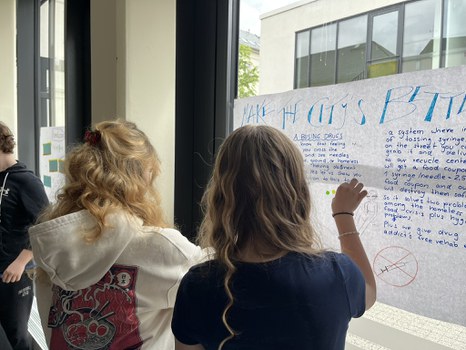
Daran anknüpfend arbeiteten die Schülerinnen und Schüler weiter in ihren Kleingruppen zusammen. An verschiedenen Stationen setzten sie sich mit Fragen rund um Gesellschaft, freiwilliges Engagement und die deutsch-tschechische Grenzregion auseinander. Ein Quiz vermittelte Wissen über das Erzgebirge/Krušnohoří, grenzüberschreitende Zusammenarbeit sowie gesellschaftliche Herausforderungen in der Region. In weiteren Aufgaben diskutierten die Jugendlichen soziale Probleme wie Einsamkeit, Armut oder Wohnungslosigkeit und entwickelten gemeinsam Ideen, wie Menschen oder Gruppen helfen könnten. Zudem sammelten sie konkrete Beispiele gesellschaftlicher Herausforderungen und erarbeiteten erste Lösungsvorschläge.
Nach der Gruppenarbeitsphase erhielten die Schülerinnen und Schüler im gemeinsamen Plenum einen theoretischen Einblick in die Bedeutung von Zivilgesellschaft und gesellschaftlicher Teilhabe. Aufbauend auf ihren bisherigen Diskussionen und Arbeitsergebnissen wurde erläutert, welche Rolle Nichtregierungsorganisationen (NGOs) in demokratischen Gesellschaften spielen und wie Menschen sich durch freiwilliges Engagement aktiv in ihre Gemeinschaft einbringen können. Der theoretische Input griff somit zentrale Ideen aus den vorherigen Arbeitsphasen auf und verband diese mit grundlegenden Konzepten demokratischer Mitgestaltung.
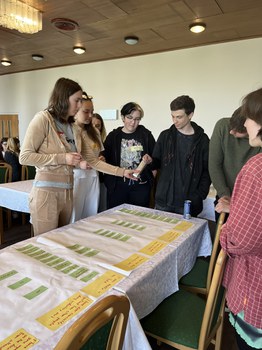
Im Anschluss arbeiteten die Kleingruppen kreativ weiter und entwickelten eigene NGO-Projekte. Ausgehend von sozialen und gesellschaftlichen Herausforderungen entwarfen die Schülerinnen und Schüler eigene Organisationen, die sich beispielsweise mit Einsamkeit, Wohnungslosigkeit und dem Stadtbild beschäftigten. Die Gruppen entwickelten konkrete Ziele, Zielgruppen und Maßnahmen ihrer Organisationen und gestalteten dazu kreative Poster. Dabei entstanden vielfältige und realistische Ideen, die sich an den Lebenswelten der Jugendlichen orientierten und zeigten, wie gesellschaftliches Engagement konkret vor Ort aussehen kann.
Nach der Mittagspause präsentierten die Gruppen ihre Konzepte im Plenum. Die Schülerinnen und Schüler stellten ihre NGOs vor, erläuterten ihre Ideen und beantworteten Fragen der anderen Gruppen. Anschließend wurden besonders kreative, realistische und hilfreiche Ideen gemeinsam gewürdigt.
Den Abschluss des Projekttages bildeten eine gemeinsame Reflexionsrunde sowie ein schriftliches Feedback mithilfe von Exit Tickets. Die Jugendlichen reflektierten, was sie im Laufe des Tages gelernt haben, welche Aktivitäten sie besonders interessant fanden und wie Menschen ihrer Meinung nach Gesellschaft aktiv mitgestalten können. Gleichzeitig bot die Abschlussrunde Raum, Eindrücke auszutauschen und den Tag gemeinsam ausklingen zu lassen.
Der Projekttag zeigte erneut eindrucksvoll, wie bereichernd der Austausch zwischen jungen Menschen aus Deutschland und Tschechien sein kann. Neben neuen Erkenntnissen über Zivilgesellschaft, Engagement und demokratische Teilhabe standen vor allem Begegnung, Zusammenarbeit und gegenseitiges Verständnis im Mittelpunkt. Die gemeinsame Arbeit in deutsch-tschechischen Gruppen machte deutlich, dass gesellschaftliche Herausforderungen grenzüberschreitend gedacht und gemeinsam bearbeitet werden können.

© Stefanie Gerstenberger

© Stefanie Gerstenberger

© Stefanie Gerstenberger

© Stefanie Gerstenberger

© Stefanie Gerstenberger

© Stefanie Gerstenberger
Školní projektový den re:demo: Občanská společnost a angažovanost v německo-českém pohraničí
Dne 21. května 2026 se na gymnáziu Adama Riese v Annaberg-Buchholz konal německo-český projektový den v rámci projektu re:demo –Podpora dialogu a posílení komunity. Zúčastnili se ho němečtí a čeští žáci 7. až 9. ročníku , kteří se společně věnovali otázkám sociální soudržnosti, místní participace a občanské angažovanosti. Cílem bylo podpořit přeshraniční výměnu a motivovat mladé lidi k aktivnímu zájmu o dění v jejich regionu ao společenské výzvy, kterým region čelí.
Úvod dne byl zaměřen na vzájemné seznámení účastníků. Prostřednictvím interaktivní bingo hry navázali čeští a němečtí žáci první kontakty a rozhovory. Otázky týkající se zájmů, zkušeností a různých forem občanské angažovanosti vytvořily prostor pro sdílení a umožnily mladým lidem najít společnou řeč.
Následovala jazyková a pohybová hra v malých skupinách. V německo-českých týmech hledala část žáků po školní budově pojmy související s občanskou společností, dobrovolnictvím a participací, zatímco ostatní členové skupiny tyto výrazy zapisovali a společně je doplňovali do anglického textu s vynechanými slovy. Žáci si tak hravou formou rozšiřovali slovní zásobu a zároveň zkoumali klíčové pojmy projektového dne, jako jsou „community“, „volunteers“ a „participation“.
V dalších aktivitách pokračovali žáci ve skupinové práci na různých tematických stanovištích zaměřených na otázky týkající se společnosti, dobrovolnictví a německo-českého pohraničí. Součástí programu byl také kvíz věnovaný Krušným horám/Krušnohoří, přeshraniční spolupráci a společenským výzvám regionu. V dalších aktivitách diskutovali účastníci o sociálních problémech, jako je osamělost, chudoba nebo bezdomovectví, a společně rozvíjeli nápady, jak mohou jednotlivci nebo skupiny pomoci. Zároveň shromažďovali konkrétní příklady společenských problémů a navrhovali první možná řešení.
Po skupinové části následoval společný teoretický blok věnovaný významu občanské společnosti a občanské participace Na základě předchozích diskusí a pracovních výsledků byla vysvětlena role nevládních organizací (NGO) v demokratických společnostech a jak mohou lidé prostřednictvím dobrovolnické činnosti aktivně přispívat svým komunitám. Teoretický vstup tak zahrnul klíčové myšlenky z předchozích aktivit a propojil je se základními koncepty demokratické participace.
Poté skupiny pokračovaly v tvůrčí práci a rozvíjely vlastní projekty NGO. Na základě vybraných společenských témat vytvořili žáci návrhy organizací zaměřených například na osamělost, bezdomovectví nebo podobu veřejného prostoru. Skupiny formulovaly konkrétní cíle, cílové skupiny a opatření a své nápady zpracovaly formou poutavých plakátů. Vznikla tak řada rozmanitých a realistických projektů vycházejících z každodenní zkušenosti mladých lidí a ukazujících, jak může občanská angažovanost vypadat v místní praxi.
Po obědové pauze jednotlivé skupiny prezentovaly své koncepty ostatním účastníkům. Žáci představili své NGO, vysvětlili své nápady a odpovídali na otázky ostatních skupin. Následně byly oceněny zejména nejkreativnější, nejrealističtější a nejpřínosnější návrhy.
Projektový den byl zakončen společnou reflexí a písemnou zpětnou vazbou prostřednictvím tzv. exit tickets. Účastníci se zamýšleli nad tím, co se během dne naučili, které aktivity je obzvláště zaujaly a jak mohou lidé podle jejich názoru aktivně přispívat k utváření společnosti. Závěrečné setkání také poskytlo příležitost ke sdílení dojmů a společnému zakončení dne.
Projektový den opět ukázal, jak obohacující může být spolupráce a setkávání mladých lidí z Německa a České republiky. Kromě nových poznatků o občanské společnosti, občanské angažovanosti a demokratické participaci se pozornost soustředila především na vzájemné setkávání, spolupráci a porozumění. Společná práce v německo-českých skupinách jasně ukázala, že společenské výzvy lze vnímat i řešit napříč hranicemi.
re:demo Seminar in Most: Zivilgesellschaft im deutsch-tschechischen Grenzraum: Lokale Teilhabe und Empowerment / Občanská společnost v německo-českém pohraničí: Místní participace a empowerment
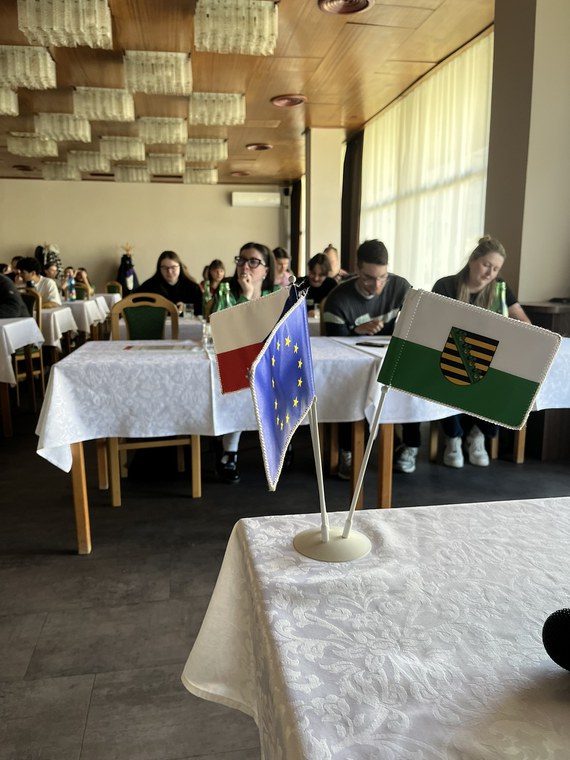
Vom 23. bis 25. April 2026 fand in Most der zweite Workshop im Rahmen des sächsisch-tschechischen Projekts „re:demo – Dialog fördern und Gemeinschaft stärken / Podpora dialogu a posílení komunity“ statt. Als Anschluss an den Workshop in Dresden wurden die dort entwickelten Fragestellungen vertieft und weitergeführt. Im Zentrum stand die Frage, welche Rolle zivilgesellschaftliche Akteure für demokratische Teilhabe und gesellschaftlichen Zusammenhalt im deutsch-tschechischen Grenzraum spielen.
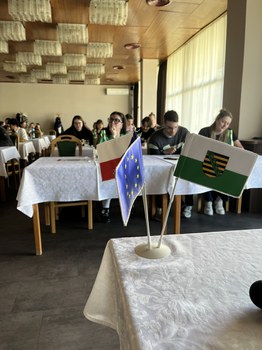
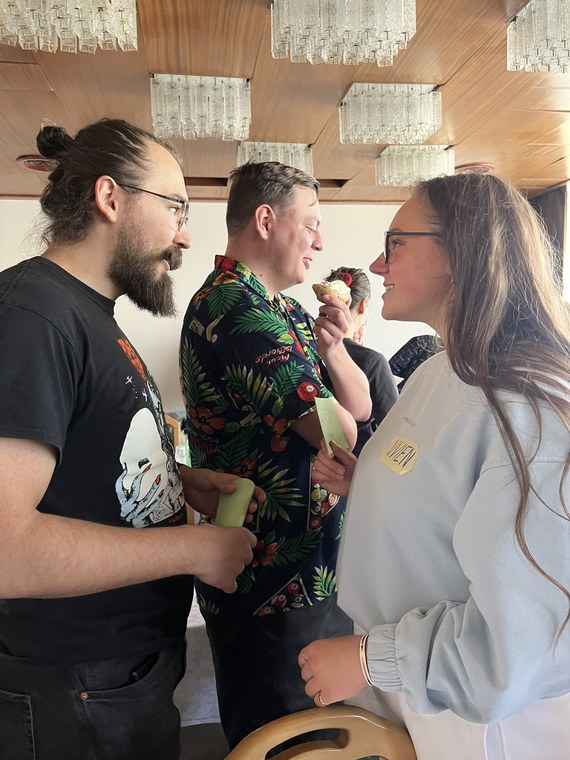
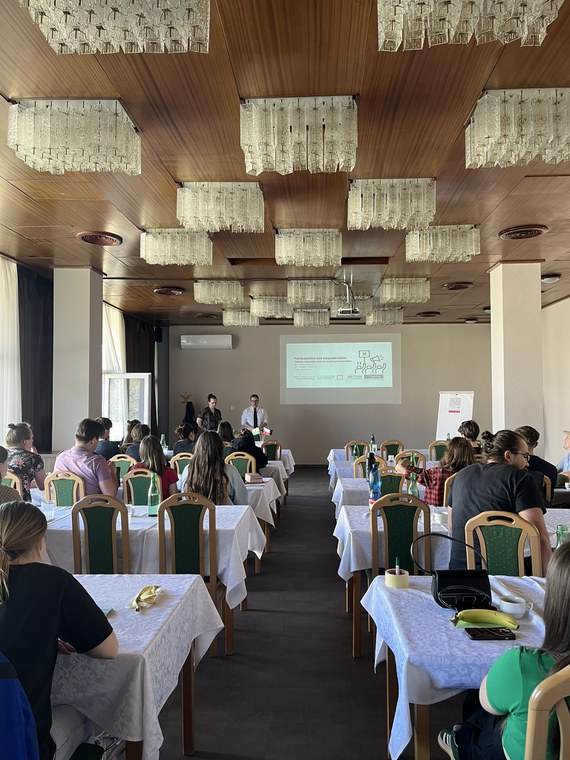
Der Workshop begann am Donnerstagnachmittag mit einer gemeinsamen Eröffnung und einem Kennenlernformat, das den Austausch zwischen den Teilnehmer:innen erleichterte und erste Anknüpfungspunkte für die Zusammenarbeit schuf. Ein anschließender fachlicher Input vertiefte zentrale Konzepte von Partizipation und Empowerment ein. Im Fokus stand dabei insbesondere der Zusammenhang zwischen zivilgesellschaftlichen Strukturen und demokratischen Prozessen sowie die Frage, welche spezifischen Herausforderungen und Potenziale sich im Grenzraum ergeben.
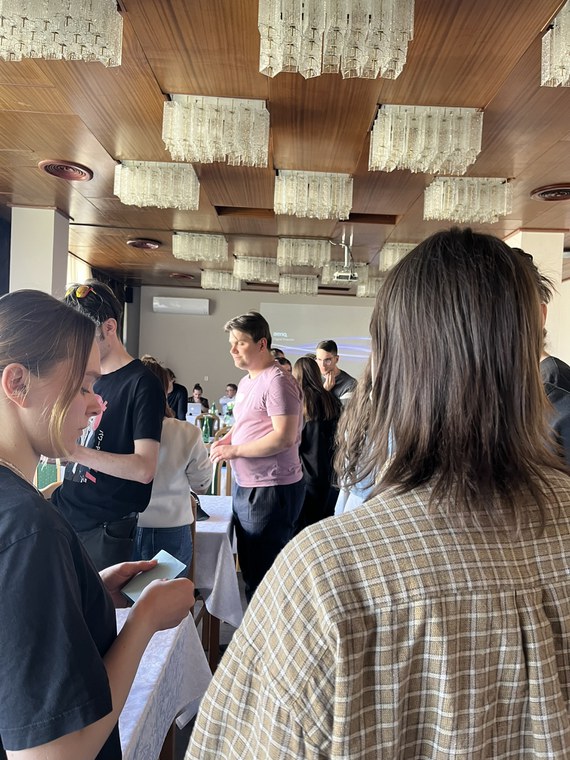
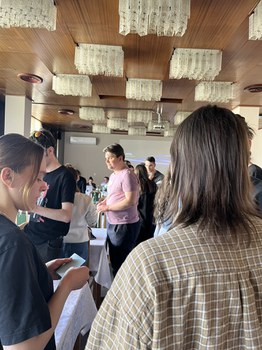
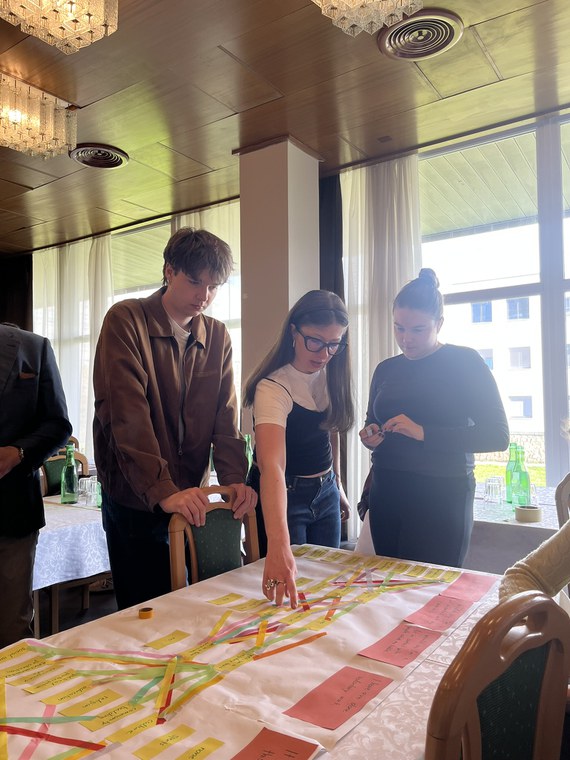
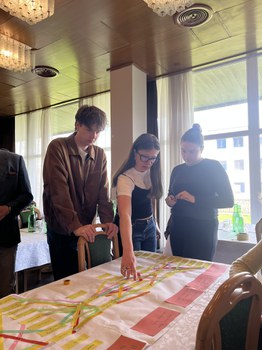
Am Nachmittag arbeiteten die Studierenden in deutsch-tschechischen Gruppen weiter. Im Mittelpunkt stand die wissenschaftliche Auseinandersetzung mit unterschiedlichen Formen von Zivilgesellschaft – von Religionsgemeinschaften über Sportvereine bis hin zu kulturellen Initiativen. Die Gruppen analysierten, in welchen Bereichen zivilgesellschaftliches Engagement stattfindet und welche Bedeutung diesen Akteuren für gesellschaftliche Teilhabe im Grenzraum zukommt.
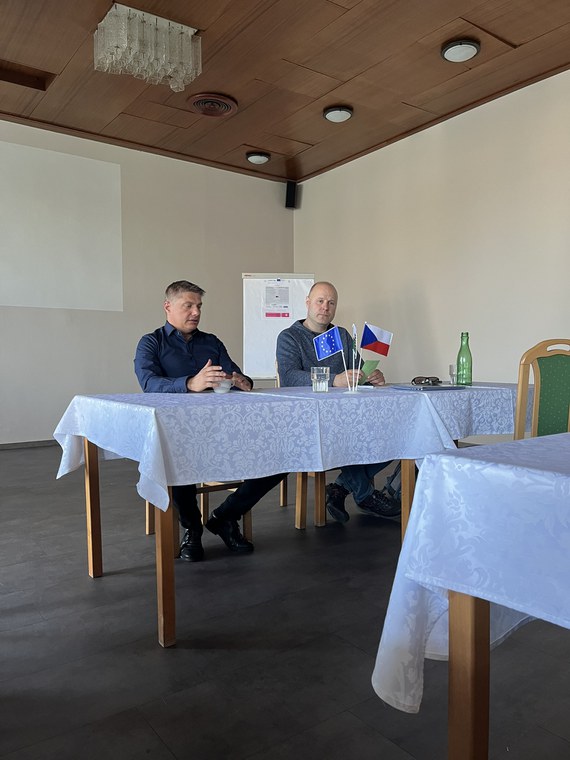
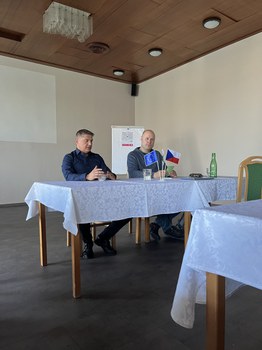
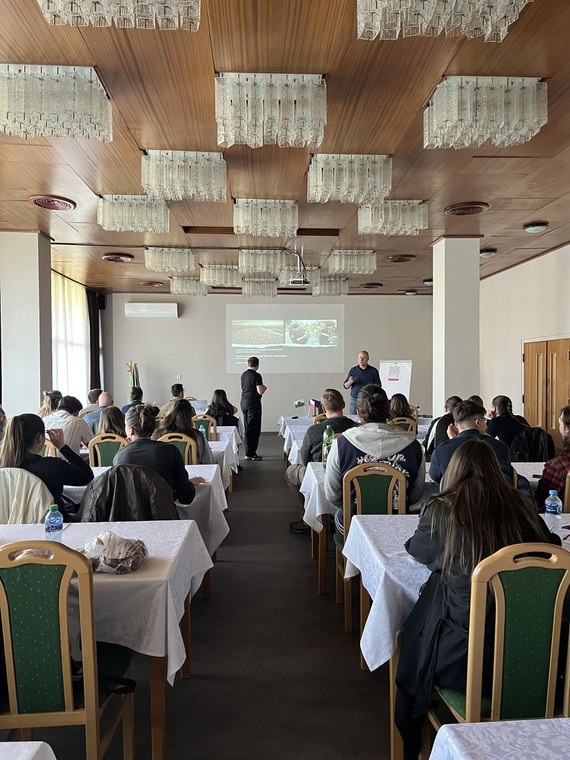
Am Abend eröffnete die Diskussion „Most Vision 2030: Die Transformation der Region aus der Sicht der Industrie“ mit František Jochman (Industrie- und Handelskammer der Region Ústí nad Labem) eine wirtschaftliche Perspektive auf den Strukturwandel. Im Austausch wurde deutlich, wie eng wirtschaftliche Transformationsprozesse mit gesellschaftlichen Entwicklungen verflochten sind und welche Rolle dabei auch zivilgesellschaftliche Initiativen spielen können.
Der Freitag begann mit einem Panelgespräch zum Thema „Gemeinschaften nach dem Bergbau: NGOs als Architekten einer neuen Bergbau-Identität“. Kryštof Derner (Institut für archäologische Denkmalpflege Nordwestböhmens) und Vlastimil Vozka (Euroregion Erzgebirge) diskutierten gemeinsam mit den Teilnehmer:innen, welche Bedeutung zivilgesellschaftliche Akteure in postindustriellen Regionen haben und wie sie zur Entwicklung neuer regionaler Identitäten beitragen können.
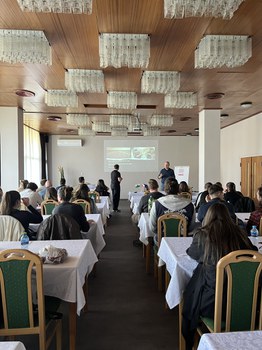
In der anschließenden Diskussion „Städte mit tiefen Wurzeln: Ein neues Kapitel der Bergbau-Identität“ brachten Kamila Bláhová (Bürgermeisterin von Litvínov) und Reiner Hentschel (Bürgermeister von Frauenstein) ihre kommunalpolitischen Perspektiven ein. Dabei wurde deutlich, wie stark historische Prägungen die gegenwärtige Entwicklung beeinflussen und welche Herausforderungen sich daraus für Städte im Strukturwandel ergeben.
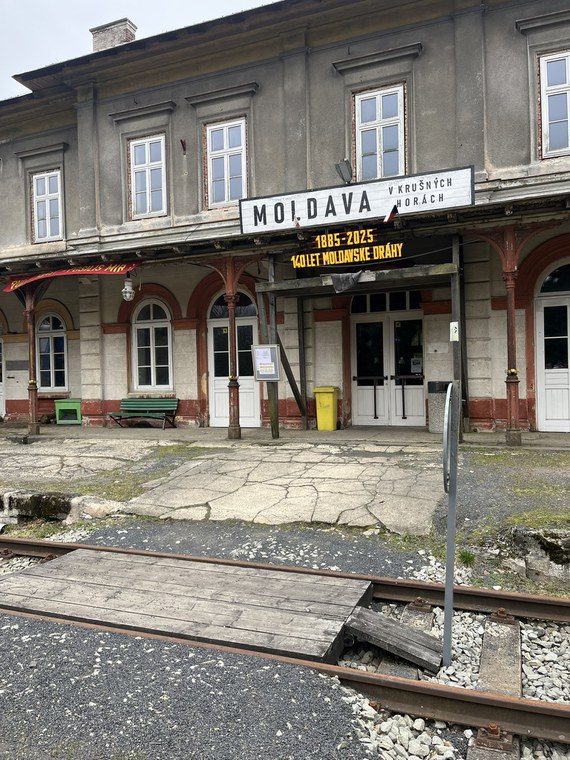
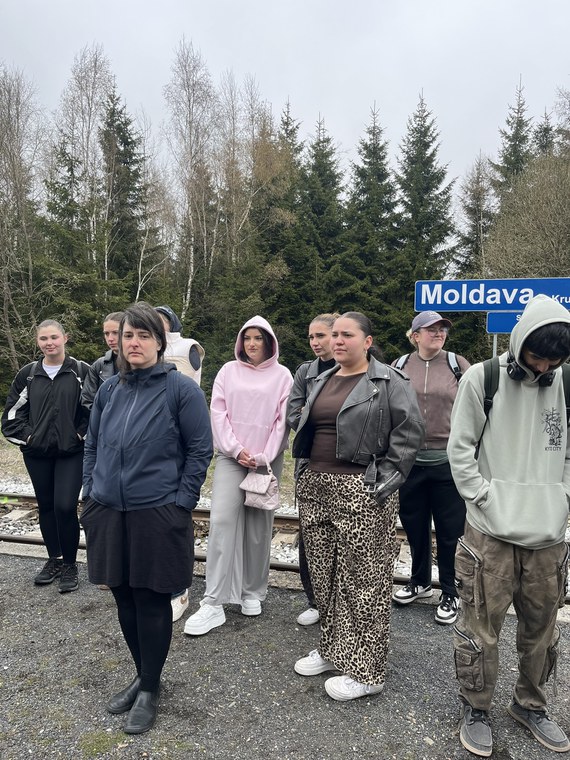
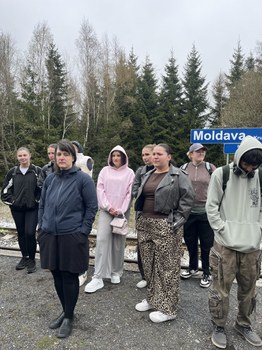
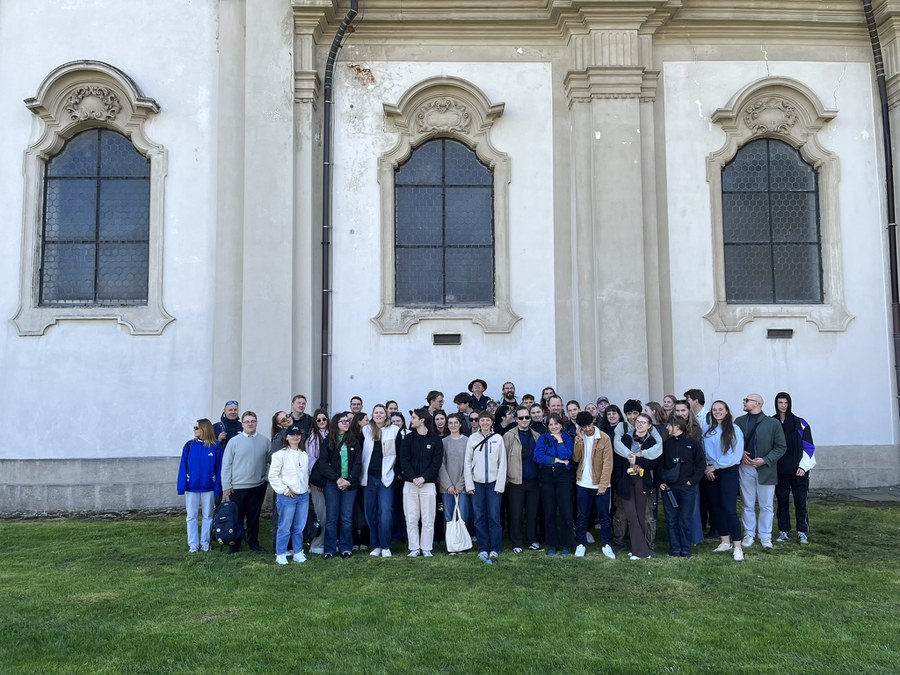
Am Nachmittag führte eine Exkursion die Studierenden unmittelbar an die Grenze. In Moldava gab Jan Setvák Einblicke in die Geschichte der Moldau-Bahn und die durch den Bergbau geprägte Landschaft. Anschließend besuchten die Teilnehmer:innen das Kloster Osek, das als bedeutender historischer und kultureller Ort der Region vorgestellt wurde. Die Exkursionen ermöglichten es, die zuvor diskutierten Themen im regionalen Kontext zu verorten und ein vertieftes Verständnis für die Entwicklung des Grenzraums zu gewinnen.
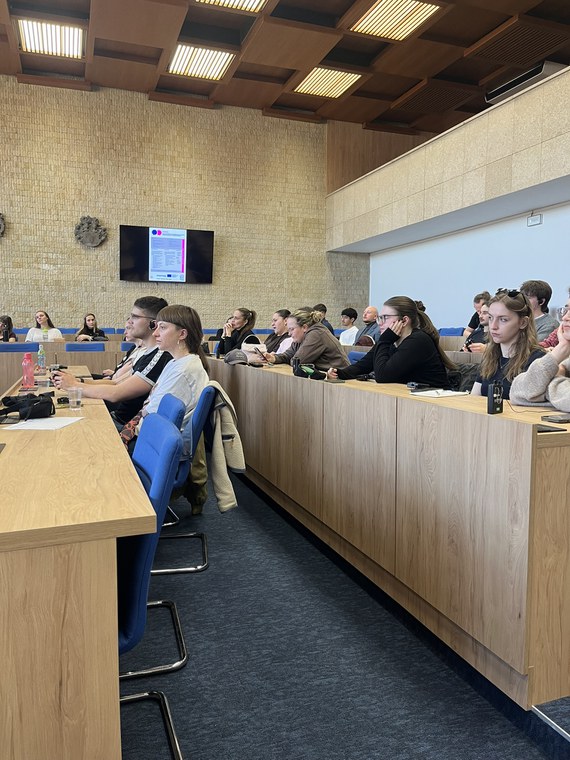
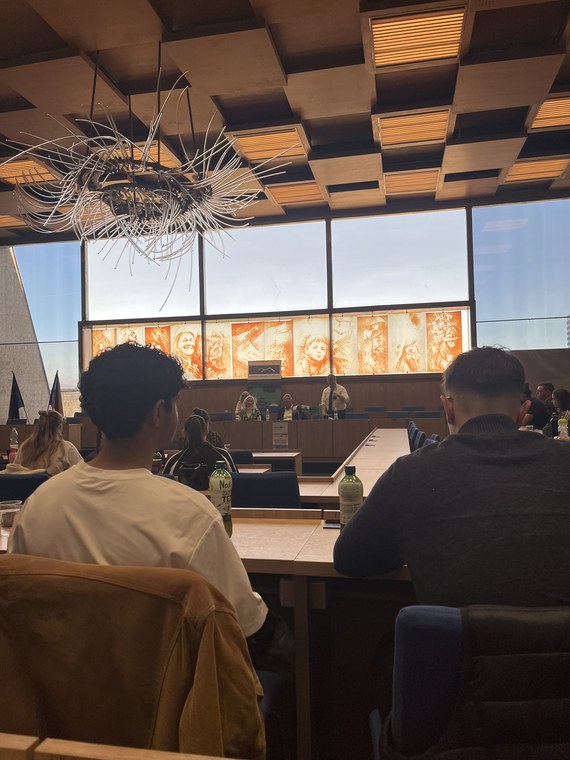
Am Abend folgte ein Vortrag unter dem Titel „Alarm im Herzen Europas: Der Non-Profit-Sektor unter Druck“ von Jiří Čečrle. Dabei wurden aktuelle Herausforderungen für zivilgesellschaftliche Organisationen in Europa diskutiert, insbesondere im Hinblick auf politische Rahmenbedingungen und gesellschaftliche Entwicklungen.
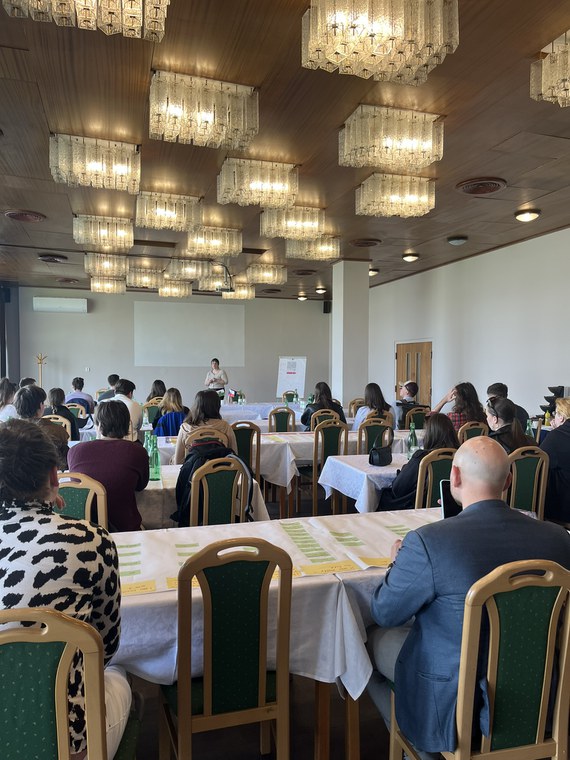
Der Samstag begann mit der interaktiven Methode „Data Stream“. In diesem Format setzten sich die Teilnehmer:innen mit unterschiedlichen Formen und Ebenen gesellschaftlicher Beteiligung auseinander und reflektierten ihre eigenen Positionen innerhalb sozialer und politischer Prozesse. Die Übung machte Dynamiken von Teilhabe und Ausschluss sichtbar und förderte den Perspektivwechsel innerhalb der Gruppe.
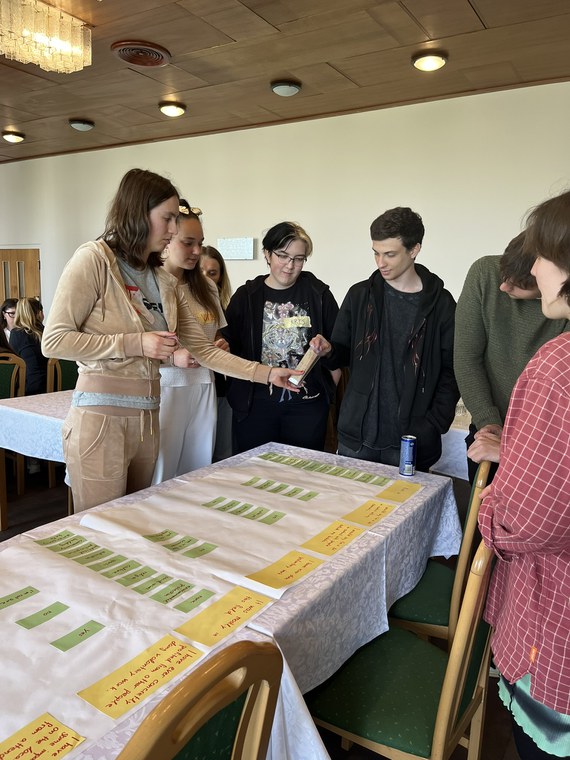
Im Anschluss wurde die Gruppenarbeit fortgesetzt, wobei die Studierenden ihre bisherigen Analysen weiter vertieften und miteinander in Beziehung setzten. Abschließend reflektierten die Teilnehmer:innen die zentralen Inhalte und Erkenntnisse des Seminars. Den Ausklang bildete eine gemeinsame Erkundung der Burg Hněvín.
© Stefanie Gerstenberger
© Stefanie Gerstenberger
© Stefanie Gerstenberger
© Stefanie Gerstenberger
© Stefanie Gerstenberger
© Stefanie Gerstenberger
© Stefanie Gerstenberger
© Stefanie Gerstenberger
© Stefanie Gerstenberger
© Stefanie Gerstenberger
© Stefanie Gerstenberger
© Stefanie Gerstenberger
© Stefanie Gerstenberger
© Stefanie Gerstenberger
Seminář re:demo v Mostě: Občanská společnost v německo-českém pohraničí: Místní participace a empowerment
Od 23. do 25. dubna 2026 se v Mostě uskutečnil druhý workshop v rámci sasko-českého projektu „re:demo – Podpora dialogu a posílení komunity“. Navázal na předchozí setkání v Drážďanech a dále rozvíjel otázky, které tam byly otevřeny. Ústřední otázkou byla role aktérů občanské společnosti v demokratické participaci a sociální soudržnosti v německo-českém pohraničí.
Workshop byl zahájen ve čtvrtek odpoledne společným úvodem a seznamovací aktivitou, která usnadnila výměnu názorů mezi účastníky a vytvořila první prostor pro navázání spolupráce. Následná odborná prezentace se hlouběji zabývala klíčovými koncepty participace a posilováním aktérů (empowerment). Pozornost byla věnována především vztahu mezi strukturami občanské společnosti a demokratickými procesy, stejně jako specifickým výzvám a příležitostem v pohraničním regionu.
Odpoledne pokračovala práce v německo-českých skupinách. Studenti zkoumali různé formy občanské společnosti – od náboženských komunit přes sportovní kluby až po kulturní iniciativy. Zaměřili se nai oblasti, v nichž se občanská angažovanost projevuje, i na význam těchto aktérů pro společenskou participaci v pohraničí.
Večerní diskuse „Most Vision 2030: Proměna regionu očima průmyslu“ s Františkem Jochmanem (Krajská hospodářská komora Ústeckého kraje) nabídla ekonomický pohled na probíhající strukturální změny. Výměna názorů zdůraznila, jak úzce jsou procesy ekonomické transformace propojeny se společenským vývojem a jakou roli v těchto procesech mohou hrát iniciativy občanské společnosti.
Páteční program začal panelovou diskusí na téma „Komunity po těžbě: Nziskovky jako architekti nové hornické identity“. Kryštof Derner ( Ústav archeologické památkové péče severozápadních Čech) a Vlastimil Vozka (Euroregion Krušnohoří) společně s účastníky debatovali o významu aktérů občanské společnosti v postindustriálních regionech a o tom, jak mohou přispět k rozvoji nových regionálních identit.
V následné diskusi „Města s hlubokými kořeny: Nová kapitola hornické identity“ představili své pohledy z komunální praxe Kamila Bláhová (starostka Litvínova) a Reiner Hentschel (starosta Frauensteinu). Ukázalo se, jak silně historické dědictví formuje současný vývoj a jaké výzvy to představuje pro města procházející strukturální proměnou.
Odpoledne se studenti zúčastnili exkurze přímo v pohraničí. V Moldavě přiblížil Jan Setvák historii moldavské dráhy i krajiny formované těžbou. Následovala návštěva kláštera v Oseku, významné historické a kulturní památky v regionu. Exkurze umožnily zasadit probíraná témata do konkrétního místního kontextu a hlouběji porozumět vývoji pohraničního regionu.
Večer vystoupil Jiří Čečrle s přednáškou „Alarm v srdci Evropy: Neziskový sektor pod tlakem“, v níž se věnoval aktuálním výzvám, kterým čelí organizace občanské společnosti v Evropě, zejména s ohledem na politické podmínky a společenský vývoj.
Sobotní program začal interaktivní metodou „Data Stream“, během níž se účastníci zaměřili na různé formy a úrovně občanské participace a reflektovali vlastní roli v rámci společenských a politických procesů. Aktivita pomohla zviditelnit dynamiku zapojení i vyloučení a podpořila vzájemné porozumění v rámci skupiny.
Následně pokračovala skupinová práce, v níž studenti dále rozvíjeli a propojovali své dosavadní analýzy. Na závěr semináře proběhla společná reflexe hlavních témat a zjištění. Akce byla zakončena společnou návštěvouhradu Hněvín.
re:demo Universitätsworkshop in Dresden: Zivilgesellschaft im deutsch-tschechischen Grenzraum: Lokale Teilhabe und Empowerment / Občanská společnost v německo-českém pohraničí: Lokální participace a empowerment
Vom 9. bis 11. April 2026 fand an der Technischen Universität Dresden der Auftakt des dritten Seminars im Rahmen des sächsisch-tschechischen Projekts „re:demo – Dialog fördern und Gemeinschaft stärken / Podpora dialogu a posílení komunity" statt. Im Mittelpunkt stand die Frage, welche Rolle zivilgesellschaftliche Akteure für demokratische Teilhabe und gesellschaftlichen Zusammenhalt im deutsch-tschechischen Grenzraum spielen.
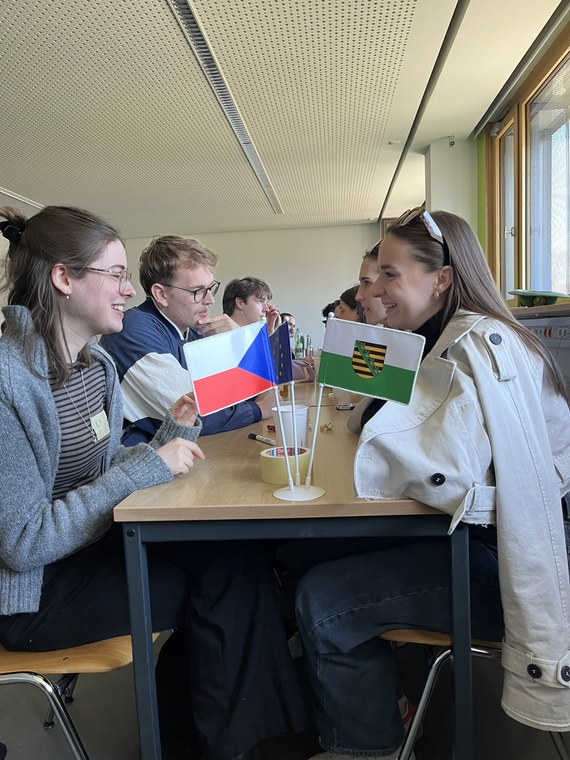
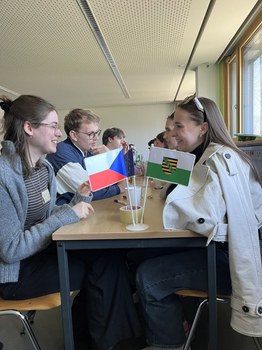
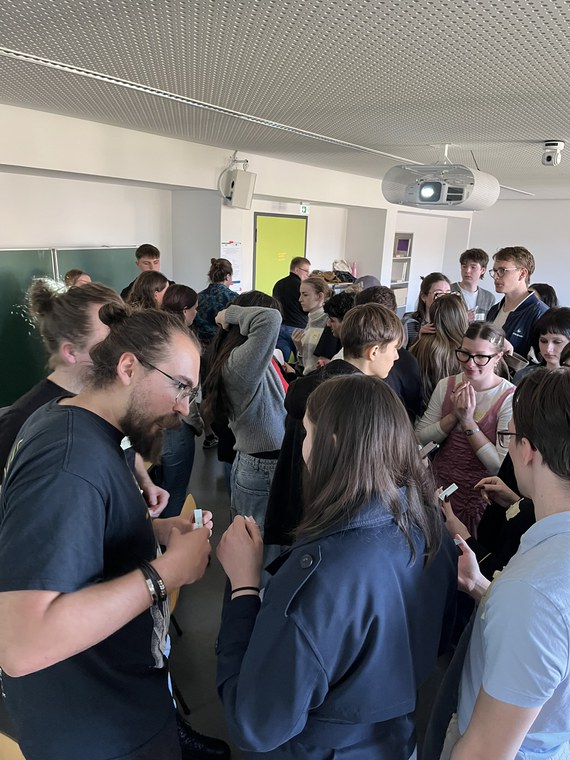
Der Workshop begann am Donnerstagnachmittag mit einem Speed-Dating, bei dem sich die Studierenden der TU Dresden und der UJEP schnell und unkompliziert kennenlernen konnten. Ein anschließender Walk-and-Talk führte die Diskussion ins Inhaltliche: Welche Rolle spielen Grenzen – sichtbar oder unsichtbar – im Alltag? Wer ist selbst zivilgesellschaftlich aktiv? Und wo liegen Möglichkeiten für Engagement im Grenzraum?
Am Abend folgte ein gemeinsamer Kinobesuch im Kino im Kasten: Der Film „Mit der Faust in die Welt schlagen“ bot den Rahmen für ein Gespräch mit Felix Sell (Kompetenzzentrum für Gemeinwesenarbeit und Engagement e.V.) über schleichende Radikalisierungsprozesse, Fragen von Zugehörigkeit und die Bedeutung starker zivilgesellschaftlicher Strukturen – gerade in ländlichen und peripheren Regionen, wo diese Strukturen oft besonders unter Druck stehen.
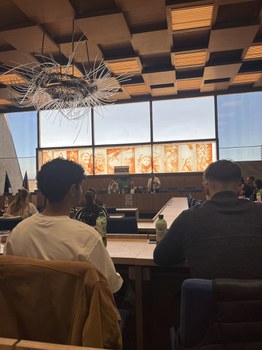
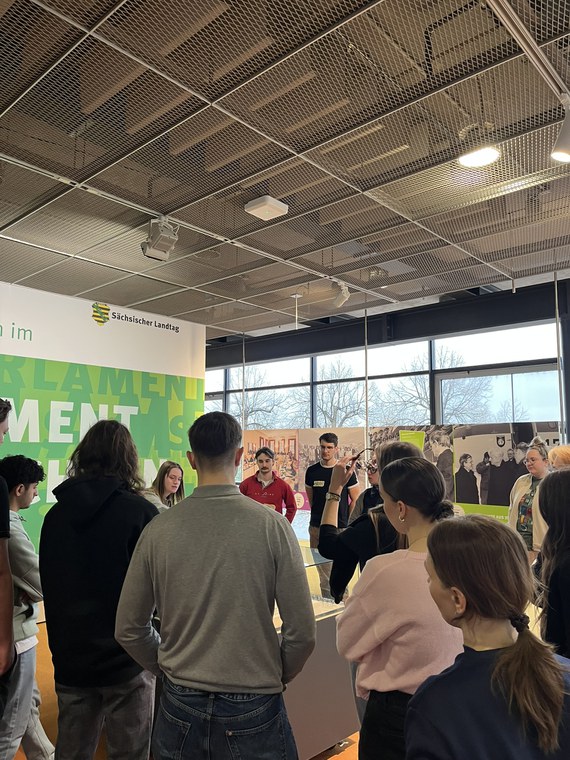
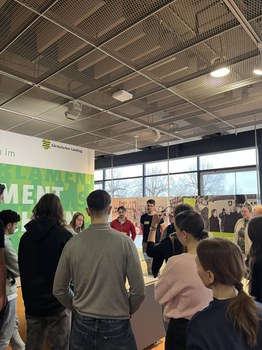
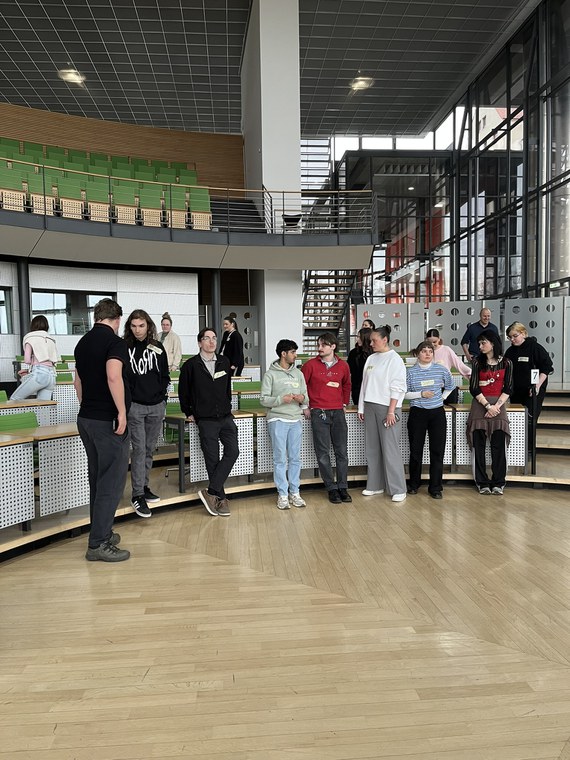
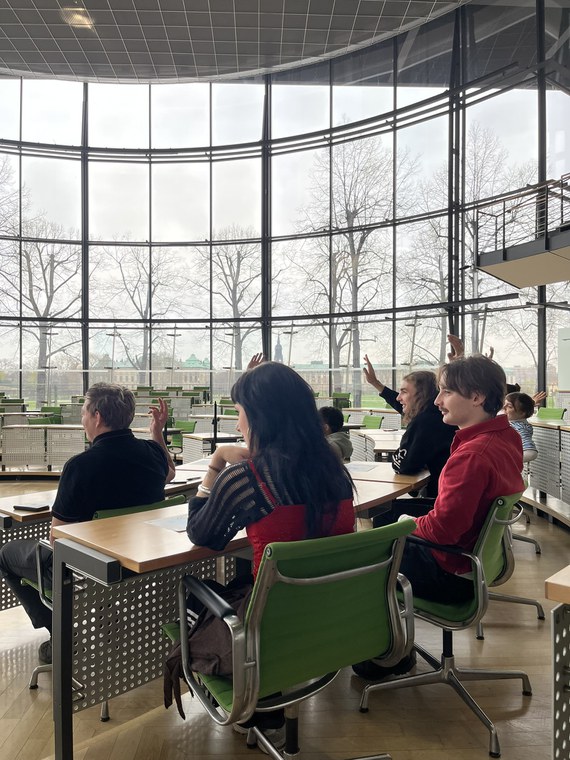
Der Freitag stand im Zeichen politischer Einblicke und intensiver Projektarbeit. Bei einer Führung durch den Sächsischen Landtag sowie einem anschließenden Gespräch mit Ingo Flemming (CDU) erhielten die Studierenden direkte Einblicke in parlamentarische Arbeit und politische Entscheidungsprozesse. Am Nachmittag analysierten deutsch-tschechische Gruppen Video-Interviews mit zivilgesellschaftlichen Akteur:innen aus dem Grenzraum: Wo sind sie aktiv? Was ist ihre Motivation? Und was bedeutet Engagement für Demokratie – als Fundament für Teilhabe, Zusammenhalt und ein solidarisches Miteinander? Auf dieser Grundlage entwickelten die Gruppen erste Ideen für ihre eigenen Forschungsprojekte. Eine „Positionslinie" lud die Teilnehmer:innen am Nachmittag dazu ein, eigene Haltungen sichtbar zu machen und die Bandbreite der Perspektiven innerhalb der Gruppe zu erleben. Der Abend klang bei einem gemeinsamen Essen aus.
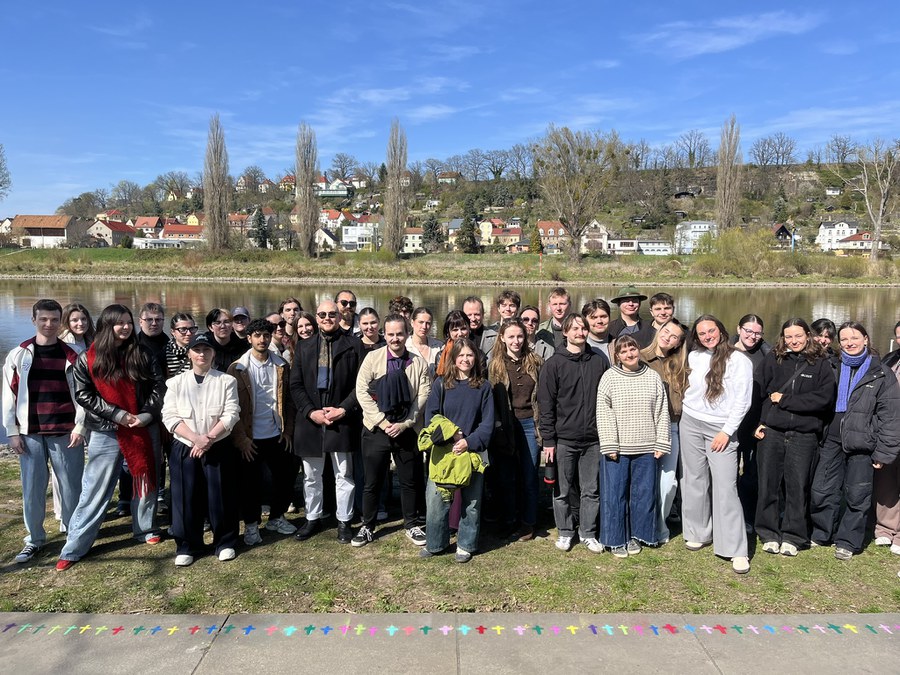
Der Samstag führte nach Pirna zur Gedenkstätte Pirna-Sonnenstein. Im Gespräch mit Thomas Bilz (Kuratorium Gedenkstätte Pirna-Sonnenstein) erhielten die Studierenden einen eindrücklichen Einblick in zivilgesellschaftliche Erinnerungsarbeit und deren Bedeutung für demokratische Bildung. Die anschließende Führung durch die Gedenkstätte Pirna-Sonnenschein und die gemeinsame Pflege der Gedenkspur machten deutlich, wie historisches Erinnern, Engagement und Verantwortung praktisch miteinander verbunden sind.
Der Workshop in Dresden bot den Studierenden die Möglichkeit, sich intensiv mit Formen zivilgesellschaftlichen Engagements auseinanderzusetzen, Perspektiven zu auszutauschen und in binationalen Teams eigene Ideen für ihre Forschungsprojekte zu entwickeln. Besonders deutlich wurde dabei, dass Zivilgesellschaft eine zentrale Rolle für demokratische Prozesse spielt – als Raum für Teilhabe, als Ort des Miteinanders und als Grundlage für eine resiliente und offene Gesellschaft im Grenzraum.
© Stefanie Gerstenberger
© Stefanie Gerstenberger
© Stefanie Gerstenberger
© Stefanie Gerstenberger
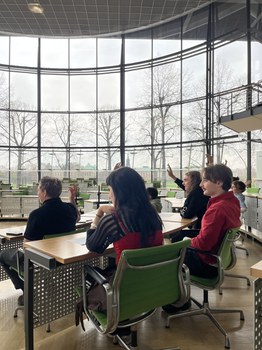
© Stefanie Gerstenberger
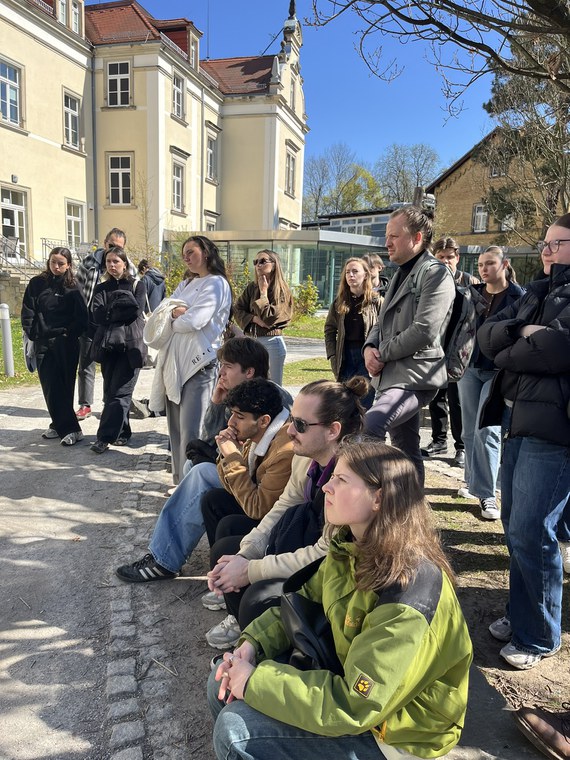
© Stefanie Gerstenberger
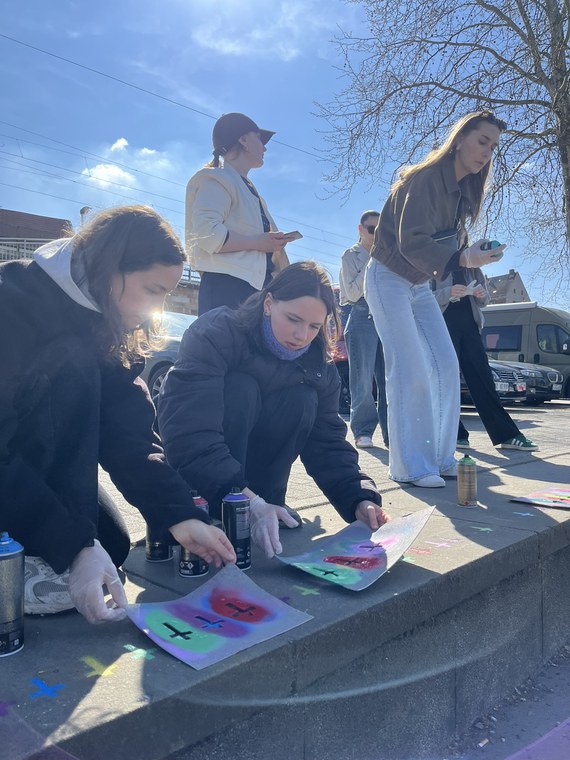
© Stefanie Gerstenberger
© Stefanie Gerstenberger
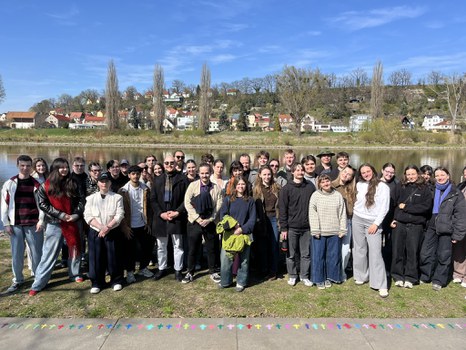
© Stefanie Gerstenberger
Univerzitní workshop re:demo v Drážďanech: Občanská společnost v německo-českém pohraničí: Lokální participace a empowerment / Zivilgesellschaft im deutsch-tschechischen Grenzraum: Lokale Teilhabe und Empowerment
Od 9. do 11. dubna 2026 se na Technické univerzitě v Drážďanech konal třetí seminář v rámci sasko-českého projektu „re:demo – Podpora dialogu a posilování komunity“. Zaměřil se na roli aktérů občanské společnosti v demokratické participaci a sociální soudržnosti v německo-českém pohraničí.
Workshop začal ve čtvrtek odpoledne speed-datingem, který studentům z Technické univerzity v Drážďanech a Univerzity Jana Evangelisty Purkyně v Ústí nad Labem (UJEP) umožnil rychle a snadno se poznat. Následující walk-and-talk přesunul zaměření diskuse k věcným tématům: Jakou roli hrají hranice – viditelné i neviditelné – v každodenním životě? Kdo z účastníků je sám aktivní v občanské společnosti? A kde jsou možnosti zapojení v pohraničí?
Večer se skupina společně vydala do kina Kino im Kasten na film „Mit der Faust in die Welt schlagen“ (volně přeloženo jako „Udeřit pěstí do světa“), který poskytl rámec pro diskusi s Felixem Sellem (Kompetenční centrum pro komunitní práci a angažovanost) o pozvolných procesech radikalizace, otázkách sounáležitosti a významu silných struktur občanské společnosti – zejména ve venkovských a periferních oblastech, kde jsou tyto struktury často pod zvláštním tlakem.
Pátek byl věnován politickým vhledům a intenzivní projektové práci. Během komentované prohlídky Saského zemského sněmu a následné diskuse s Ingem Flemmingem (CDU) získali studenti přímý vhled do parlamentní práce a procesů politického rozhodování. Odpoledne německo-české skupiny analyzovaly video-rozhovory s aktéry občanské společnosti z pohraničí: Kde působí? Co je motivuje? A co znamená angažovanost pro demokracii – jako základ pro participaci, soudržnost a solidaritu? Na tomto základě skupiny rozvíjely první nápady pro své vlastní výzkumné projekty. Odpolední metoda „poziční linie“ vyzvala účastníky k tomu, aby zviditelnili své vlastní postoje a zakusili šíři perspektiv v rámci skupiny. Den byl zakončen společnou večeří.
Sobotní exkurze zavedla skupinu do Pirny k památníku Pirna-Sonnenstein. V diskusi s Thomasem Bilzem (správní rada památníku Pirna-Sonnenstein) získali studenti působivý vhled do občanské paměťové práce a jejího významu pro demokratické vzdělávání. Následná komentovaná prohlídka památníku Pirna-Sonnenstein a společná péče o pamětní stezku ukázaly, jak se historická paměť, občanské angažmá a odpovědnost prakticky prolínají.
Workshop v Drážďanech nabídl studentům příležitost intenzivně se zapojit do různých forem občanské angažovanosti, vyměňovat si perspektivy a v binacionálních týmech rozvíjet vlastní nápady pro své výzkumné projekty. Ukázalo se zejména to, že občanská společnost hraje ústřední roli v demokratických procesech – jako prostor pro participaci, místo pro soužití i jako základ odolné a otevřené společnosti v pohraničním regionu.
re:demo Schulprojekttag: Brücke, Kompromiss und Demokratie: Tschechische und deutsche Schülerinnen und Schüler schnuppern in die Politik hinein
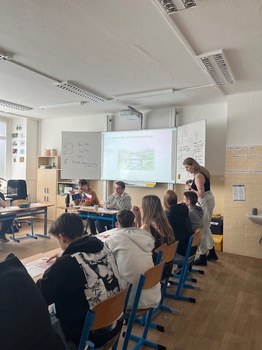
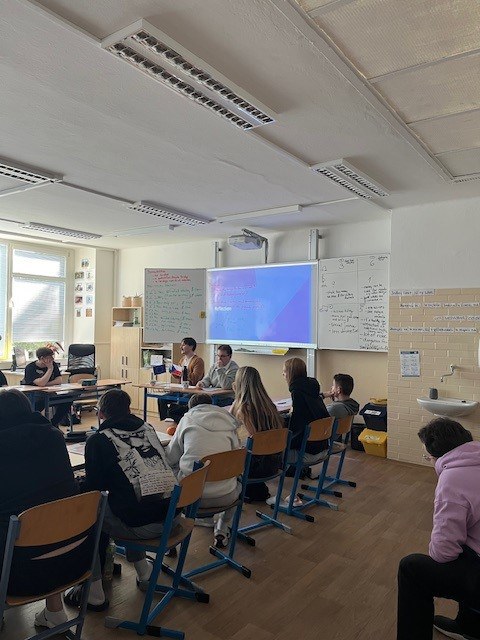
Am 3. März 2026 nahmen Schülerinnen und Schüler der 8. und 9. Klasse der Hornická Základní škola Chomutov und der Adam-Ries-Oberschule Annaberg-Buchholz an einem gemeinsamen tschechisch-deutschen Projekttag in Chomutov teil. Ziel war es, die Zusammenarbeit zwischen den Schulen zu stärken und die demokratische Bildung in der tschechisch-sächsischen Grenzregion zu fördern. Die Veranstaltung fand im Rahmen des Projekts „re:demo – Dialog fördern und Gemeinschaft stärken“ statt. Das Programm für die Schülerinnen und Schüler wurde von Studierenden der Politikwissenschaft der Technischen Universität Dresden und der Jan-Evangelista-Purkyně-Universität vorbereitet. Sie entwickelten ein interaktives Planspiel, das die Funktionsweise der Kommunalpolitik und die grenzüberschreitende Zusammenarbeit thematisierte.
Die Brücke als Thema für Verhandlung und Kooperation
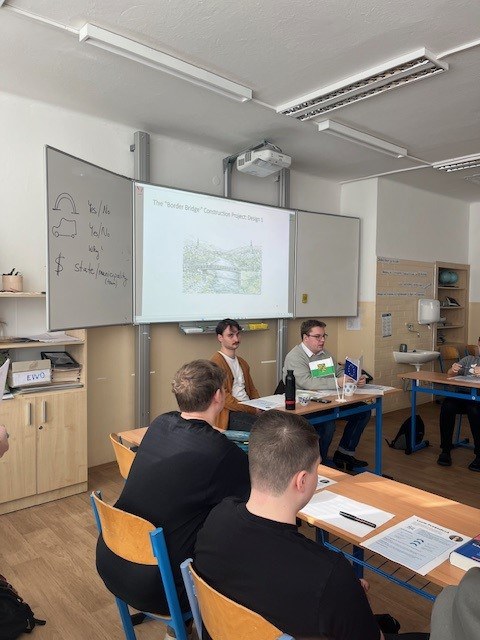
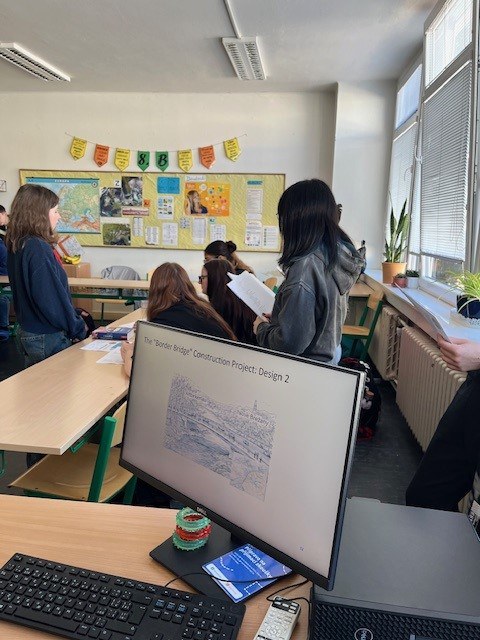
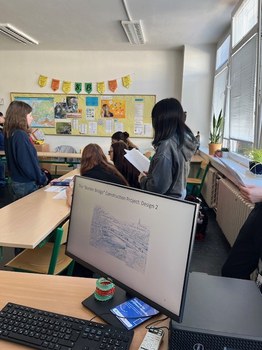
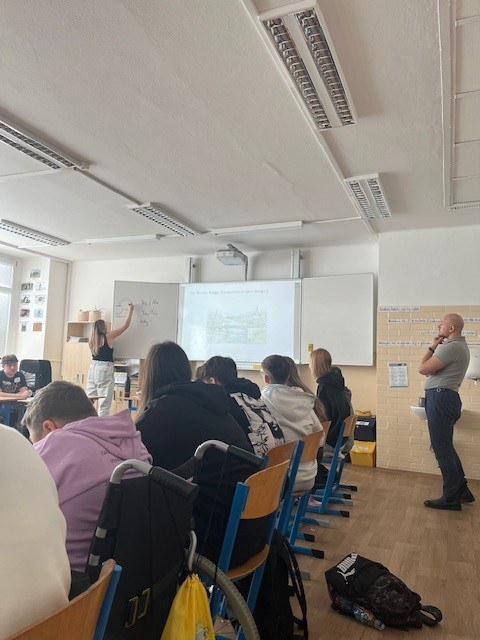
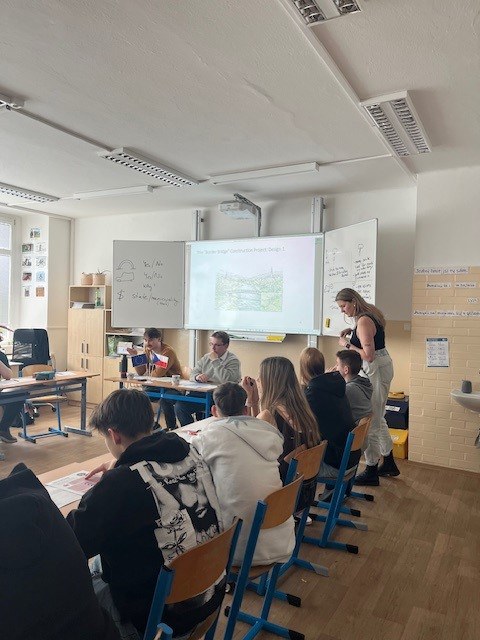
Im Mittelpunkt des Programms stand ein Planspiel, in dem die Schülerinnen und Schüler in gemischten tschechisch-deutschen Teams die Bedingungen für den Bau einer Grenzbrücke zwischen zwei fiktiven Gemeinden diskutierten. Zunächst gab es einen Einführungsworkshop zum Kennenlernen und mit sprachlichen Aufwärmübungen. Mithilfe von Spielen wie Bingo oder Vokabelübungen zum Zuordnen von Wörtern in Tschechisch, Deutsch und Englisch erweiterten die Schülerinnen und Schüler ihren Wortschatz für die anschließenden Verhandlungen. Anschließend wurden die Teilnehmer:innen in zwei gemischte Gruppen aufgeteilt, in denen parallel zwei Simulationen durchgeführt wurden. Jede Schülerin und jeder Schüler übernahm eine Rolle – sie wurden zu Politiker:innen in fiktiven tschechischen oder deutschen Gemeinden und zum Mitglied einer bestimmten Partei mit einem vorgegebenen Programm. Studierende beider Universitäten spielten die Rolle des Bürgermeisters und fungierten als Moderatoren und aktive Teilnehmer:in der Verhandlungen.
Argumentation, Kompromiss und demokratische Entscheidungsfindung
Nach der Präsentation der individuellen politischen Programme wurden die Schüler:innen in grenzüberschreitende Kommissionen aufgeteilt. Ihre Aufgabe war es, die konkrete Form der Brücke sowie die Bedingungen für ihre Realisierung auszuhandeln – beispielsweise Finanzierung oder Gestaltung. Das Hauptziel war ein Kompromiss auf Basis sachlicher Argumentation. Die erarbeiteten Vorschläge wurden anschließend den Stadträten beider fiktiver Gemeinden vorgelegt, über die die Schüler:innen abstimmten. In der abschließenden gemeinsamen Sitzung präsentierten beide Räte ihre Positionen und erzielten eine Einigung über die Umsetzung und die Gestaltung der Brücke. Zum Programm gehörten außerdem ein gemeinsames Mittagessen und eine abschließende Reflexion über den Projekttag. Die Schüler:innen tauschten sich über ihre Erfahrungen in politischen Rollen aus, bewerteten den Prozess demokratischer Entscheidungsfindung und diskutierten ihre Erkenntnisse über die Funktionsweise der Kommunalpolitik und die grenzüberschreitende Zusammenarbeit Der Projekttag förderte die Fähigkeit, zu argumentieren, unterschiedliche Meinungen anzuhören und Kompromisse zu finden. Gleichzeitig stärkte er den interkulturellen Dialog und die Zusammenarbeit junger Menschen in der tschechisch-sächsischen Grenzregion.
© Stefanie Gerstenberger
© Stefanie Gerstenberger
© Stefanie Gerstenberger
© Stefanie Gerstenberger
© Stefanie Gerstenberger
Most, kompromis a demokracie: Čeští a němečtí žáci si vyzkoušeli politiku nanečisto
Žáci 8. a 9. tříd Základní škola Hornická a Základní škola Adama Riese v Annaberg-Buchholz se dne 3. března 2026 zúčastnili společného česko-německého projektového dne, jehož cílem bylo posílit spolupráci mezi školami a podpořit demokratické vzdělávání v česko-saském pohraničí. Akce proběhla na choumutovské základce v rámci projektu re:demo – Podpora dialogu a posílení komunity. Program pro žáky připravili studenti politologie z Technische Universität Dresden a Univerzity Jana Evangelisty Purkyně, kteří si pro účastníky nachystali interaktivní simulační hru zaměřenou na fungování lokální politiky a přeshraniční spolupráci.
Most jako téma pro vyjednávání i spolupráci
Hlavním bodem programu byla simulační hra, v níž žáci ve smíšených česko-německých týmech diskutovali o podmínkách výstavby hraničního mostu mezi dvěma fiktivními obcemi. Nejprve proběhla úvodní část zaměřená na vzájemné seznámení a jazykové „warm-up“ aktivity. Pomocí her, jako bylo bingo nebo přiřazování slovní zásoby v češtině, němčině a angličtině, si žáci rozšířili slovní zásobu potřebnou pro následná jednání. Poté byli účastníci rozděleni do dvou smíšených skupin, v nichž souběžně probíhaly dvě simulace. Každý žák obdržel vlastní roli – stal se politikem jedné z fiktivních českých či německých obcí a členem konkrétní politické strany s předem definovanou agendou. Vysokoškolští studenti z obou univerzit se ujali rolí starostů a vystupovali jako moderátoři i aktivní účastníci jednání.
Argumentace, kompromis a demokratické rozhodování
Po představení jednotlivých politických programů byli žáci rozděleni do přeshraničních komisí, kde měli za úkol vyjednat konkrétní podobu mostu a podmínky jeho realizace – například způsob financování, použitý materiál či to, zda má být most určen pro pěší nebo automobilovou dopravu. Klíčovým cílem bylo dosáhnout kompromisu na základě věcné argumentace. Výsledné návrhy byly následně představeny městským radám obou fiktivních obcí, kde o nich žáci hlasovali. V závěrečném společném jednání pak obě rady prezentovaly svá stanoviska a dospěly ke shodě na realizaci mostu i jeho podobě. Součástí programu byl také společný oběd a závěrečná reflexe projektového dne. Žáci sdíleli své zkušenosti s hraním politických rolí, hodnotili proces demokratického rozhodování a diskutovali o tom, co se naučili o fungování lokální politiky a přeshraniční spolupráci. Projektový den přispěl k rozvoji schopnosti argumentovat, naslouchat odlišným názorům a hledat kompromisní řešení. Zároveň posílil mezikulturní dialog a spolupráci mladých lidí v česko-saském pohraničí.
© Stefanie Gerstenberger
© Stefanie Gerstenberger
© Stefanie Gerstenberger
© Stefanie Gerstenberger
© Stefanie Gerstenberger
Schulprojekttag an der Základní škola Chomutov
Am 25. November 2025 fand an der Základní škola Chomutov unser zweiter re:demo-Schulprojekttag statt. Thematisch befassten wir uns mit den demografischen Dynamiken im Grenzraum.
Ursprünglich war der Projekttag als deutsch-tschechischer Austausch geplant, doch die Oberschule Adam Ries aus Annaberg-Buchholz musste kurzfristig absagen. Daher führten die deutsch-tschechischen Studierendengruppen alle Aktivitäten gemeinsam mit den tschechischen Schüler:innen durch. Diese konnten ihre Sprachkompetenzen aktiv einsetzen und zugleich die inhaltlichen Themen des Projekts bearbeiten.
Zu Beginn erhielten die Schüler:innen eine kurze Einführung in das Projekt. Im Warm-Up suchten sie auf Bingo-Zetteln nach Personen im Raum, die bestimmte Aussagen bejahen konnten (z. B. ob sie die sächsisch-tschechische Grenze bereits zu Fuß oder mit dem Rad überquert haben). Anschließend ordneten die Teilnehmer:innen in einem Vokabelspiel englische Begriffe zu Grenzregionen, Depopulation und Revitalisierung ihren tschechischen Pendants zu. Diese Übung diente nicht nur der Vermittlung zentraler Fachbegriffe, sondern stärkte auch praxisnah und projektbezogen die englische Sprachkompetenz.
Im theoretischen Teil analysierten die Schüler:innen Bildmaterial aus der Grenzregion, darunter verlassene Dörfer, ehemalige Industrie- und Bergbauanlagen sowie bereits revitalisierte Orte wie die Stadt Most. In Gruppen diskutierten sie sichtbare Probleme, identifizierten strukturelle und soziale Ursachen für Abwanderung und formulierten mögliche Folgen für die regionale Entwicklung. Dieser Ansatz förderte ein kritisches Verständnis für komplexe regionale Prozesse sowie die Fähigkeit, Probleme systematisch zu erkennen und zu beschreiben.
Die zentrale Projektphase „Revitalize Our Region!“ setzte den theoretischen Input in praktische Arbeit um. Die Schüler:innen schlüpften in die Rolle von Bürgermeister:innen einer fiktiven oder realen Stadt. In vier Kleingruppen entwickelten sie Strategien zur Revitalisierung, die sowohl realistische Maßnahmen (z. B. Förderung des Tourismus, Unterstützung lokaler Geschäfte, Ausbau der Infrastruktur) als auch kreative Ideen (z. B. kulturelle Angebote, Veranstaltungen) umfassten. Dabei reflektierten sie Umsetzungsmöglichkeiten auf lokaler Ebene und diskutierten finanzielle, organisatorische und gesellschaftliche Aspekte. Die Ergebnisse hielten sie visuell auf Postern fest, um ihre Konzepte strukturiert präsentieren zu können.
Im Anschluss präsentierten die Gruppen ihre Konzepte. Die Mitschüler:innen bewerteten die Ideen hinsichtlich Realismus, Kreativität und Nachhaltigkeit. In der gemeinsamen Reflexion wurde diskutiert, welche Maßnahmen besonders wirkungsvoll sein könnten, welche Herausforderungen bestehen und wie junge Menschen aktiv zur Stärkung ihrer Region beitragen können.
Der Projekttag war geprägt von einer offenen und interessierten Atmosphäre. Die Schüler:innen arbeiteten engagiert an ihren Ideen und nutzten den theoretischen Input produktiv. Zugleich bot der Tag eine wertvolle Gelegenheit, Sprachkompetenzen in einem authentischen Kontext anzuwenden sowie kooperative Problemlösung und kritisches Denken praktisch zu erproben. Trotz der Absage der deutschen Partnerschule konnten die zentralen Lernziele erfolgreich umgesetzt werden – und das Bewusstsein für die Bedeutung regionaler Entwicklung und grenzüberschreitender Zusammenarbeit wurde gestärkt.


© Stefanie Gerstenberger


© Stefanie Gerstenberger


© Stefanie Gerstenberger


© Stefanie Gerstenberger


© Stefanie Gerstenberger


© Stefanie Gerstenberger


© Stefanie Gerstenberger


© Stefanie Gerstenberger


© Stefanie Gerstenberger


© Stefanie Gerstenberger
Školní projektový den na Základní škole Chomutov
Dne 25. listopadu 2025 se na Základní škole Chomutov konal náš druhý školní projektový den re:demo. Tematicky jsme se zaměřili na demografickou dynamiku v pohraniční oblasti.
Původně byl projektový den plánován jako německo-česká výměna, ale Gymnázium Adama Riese z Annaberg-Buchholz muselo akci narychlo zrušit. Proto německo-česká studentská skupina realizovala všechny aktivity společně s českými žáky. Těm tato situace umožnila aktivně využívat své jazykové dovednosti a zároveň pracovat na obsahu projektu.
Na začátku se žáci krátce seznámili s projektem. Jako rozcvičku použili bingo karty k nalezení lidí v místnosti, kteří by dokázali kladně odpovědět na určitá tvrzení (např. zda již překročili sasko-českou hranici pěšky nebo na kole). Poté si účastníci ve slovní hře spojili anglické termíny týkající se pohraničních oblastí, vylidňování a revitalizace s jejich českými ekvivalenty. Toto cvičení sloužilo nejen k osvojení klíčových odborných termínů, ale také k posílení dovedností v anglickém jazyce praktickým způsobem odpovídajícím záměru projektu.
V teoretické části žáci analyzovali vizuální materiál z pohraniční oblasti, na kterém viděli opuštěné vesnice, bývalé průmyslové a těžební areály a již revitalizovaná místa, jako je město Most. Pracovali ve skupinách, diskutovali o viditelných problémech, identifikovali strukturální a sociální příčiny odlivu obyvatel a formulovali potenciální důsledky pro regionální rozvoj. Tento přístup podpořil kritické pochopení složitých regionálních procesů a schopnost systematicky identifikovat a popisovat problémy.
Centrální fáze projektu „Revitalizujte náš region!“ převedla teoretický základdo praxe. Žáci se vžili do role starostů fiktivního nebo skutečného města. Ve čtyřech malých skupinách vypracovali strategie revitalizace, které zahrnovaly jak realistická opatření (např. podporu cestovního ruchu, podporu místních podniků, rozšiřování infrastruktury), tak kreativní nápady (např. kulturní akce). Reflektovali možnosti implementace na místní úrovni a diskutovali o finančních, organizačních a sociálních aspektech. Své poznatky vizuálně zaznamenali na plakátech, aby své koncepty prezentovali strukturovaným způsobem.
Po prezentaci konceptů skupinami pak jejich spolužáci zhodnotili nápady z hlediska realismu, kreativity a udržitelnosti. Ve společné reflexivní diskusi debatovali o tom, která opatření by mohla být obzvláště účinná, jaké existují výzvy a jak mohou mladí lidé aktivně přispět k posílení svého regionu.
Projektový den se vyznačoval otevřenou a angažovanou atmosférou. Žáci pilně pracovali na svých nápadech a produktivně využili teoretický základ. Zároveň akce nabídla cennou příležitost k uplatnění jazykových dovedností v autentickém kontextu a k procvičení kooperativního řešení problémů a kritického myšlení. Navzdory odřeknutí ze strany německé partnerské školy byly hlavní vzdělávací cíle úspěšně dosaženy – a bylo posíleno povědomí o důležitosti regionálního rozvoje a přeshraniční spolupráce.
re:demo Universitätsworkshop in Dresden Demografische Dynamiken im Grenzgebiet: Herausforderungen für die Demokratie / Demografické dynamiky v pohraničí: Výzvy pro demokracii
Vom 6. bis 8. November 2025 fand in Dresden der zweite Workshop des deutsch-tschechischen Kooperationsseminars „Demografische Dynamiken im Grenzgebiet: Herausforderungen für die Demokratie“ statt. Die Veranstaltung wurde im Rahmen des Projekts re:demo organisiert und brachte tschechische und deutsche Studierende zusammen, um gesellschaftliche, politische und demografische Fragestellungen aus einer interkulturellen Perspektive zu diskutieren.
Der erste Seminartag begann mit einer ausführlichen Führung durch das Gebäude des Sächsischen Landtages. Die Studierenden wurden durch verschiedene Bereiche des Hauses geleitet und erhielten dabei einen Einblick in die architektonischen Besonderheiten des modernen Parlamentsgebäudes, das bewusst transparent und offen gestaltet wurde, um demokratische Prozesse sichtbar zu machen. Ein Höhepunkt war der Besuch des Plenarsaals, in dem die Funktionsweise des parlamentarischen Alltags erläutert wurde. Die Gruppe erhielt einen Überblick über die Zusammensetzung der im Landtag vertretenen Fraktionen sowie deren Sitzordnung. Zudem wurde anschaulich erklärt, wie Plenarsitzungen ablaufen – von der Vorbereitung der Tagesordnung über Rede- und Abstimmungsprozesse bis hin zur Rolle der Präsidentin bzw. des Präsidenten während der Debatten.
Im Anschluss an die Führung kamen die Studierenden zu einem Gespräch mit den Abgeordneten Albrecht Pallas (SPD) und Ingo Flemming (CDU) zusammen. In diesem Gespräch berichteten die Politiker zunächst über ihren Alltag im politischen Betrieb und die Herausforderungen, die mit dem Amt verbunden sind. Weiterhin wurde der demografische Wandel als zentrale politische Herausforderung diskutiert. Die Abgeordneten schilderten, wie der Freistaat Sachsen mit Entwicklungen wie Überalterung, Abwanderung und Fachkräftemangel umgeht und welche politischen Maßnahmen sowie gesellschaftlichen Initiativen notwendig sind, um langfristig tragfähige Lösungen zu finden. Für die Studierenden bot dieser offene Austausch wertvolle Einblicke in politische Entscheidungsprozesse und die Komplexität gesellschaftlicher Transformationsprozesse. Der Abend endete mit einem gemeinsamen Abendessen, das Raum für vertiefende Gespräche bot.
Der zweite Tag startete mit einem thematischen Stadtrundgang, geführt von der Initiative „Mahngang Täter:innen-spuren“. Die Führung thematisierte historische Verantwortungsräume und erinnerungspolitische Fragestellungen in Dresden. Dabei wurden zentrale Orte der Altstadt aus einer kritischen Perspektive beleuchtet. Im Mittelpunkt stand der Hinweis, dass die barocken und touristisch bekannten Plätze nicht nur Zeugnisse der städtischen Baukunst sind, sondern auch eine dunkle Vergangenheit besitzen: Viele dieser Orte waren in der Zeit des Nationalsozialismus Schauplätze politischer Inszenierungen, Ausgrenzung und Gewalt. Dieser historische Kontext gerät in der heutigen Betrachtung der Stadt häufig in den Hintergrund oder wird bewusst ausgeblendet, weshalb die Führung einen wichtigen Beitrag zur kritischen Auseinandersetzung mit der städtischen Erinnerungskultur leistete.
Nach dem Mittagessen erhielten die Teilnehmenden die Möglichkeit, mithilfe eines Altersanzugs individuelle Erfahrungen zum Thema demografischer Wandel zu sammeln. Dieses praktische Element veranschaulichte körperliche und sensorische Veränderungen im Alter und sensibilisierte für Herausforderungen einer alternden Gesellschaft. In intensiver Projektarbeit setzten die deutsch-tschechischen Gruppen vertieft weiter mit ihren Projekten auseinander. Der Tag klang mit einem interkulturellen Abend an der TU Dresden aus, der kulinarisch und sozial zur Vernetzung beitrug.
Der Samstag startet mit einem anregenden Warm-Up. Anschließend positionierten sich die Teilnehmer:innen zu Thesen, die sich auf die Grenzregion bezogen. Danach setzen die Gruppen ihre Arbeit fort. Nach dem gemeinsamen Mittagessen präsentierten die Gruppen ihren Projektfortschritt. In der anschließenden Diskussion wurden zentrale Erkenntnisse zur demografischen Entwicklung im sächsisch-tschechischen Grenzraum, zu Auswirkungen auf demokratische Teilhabe und zu Handlungsoptionen für Politik und Gesellschaft herausgearbeitet. Die Gruppenprojekte werden nun fortgesetzt und in digitalen Gallery Walks im Dezember präsentiert.
Insgesamt bot das Seminar eine gelungene Verbindung aus praktischer Erfahrung, interkultureller Zusammenarbeit und wissenschaftlicher Reflexion. Die abwechslungsreichen Formate, die Begegnungen mit politischen Akteur:innen und die grenzüberschreitende Zusammensetzung der Gruppe ermöglichten vielfältige Perspektiven auf die Frage, wie demografische Dynamiken demokratische Strukturen herausfordern – und zugleich neue Möglichkeiten für gemeinschaftliches Handeln eröffnen.


© Stefanie Gerstenberger


© Stefanie Gerstenberger


© Stefanie Gerstenberger


© Stefanie Gerstenberger


© Stefanie Gerstenberger


© Stefanie Gerstenberger


© Stefanie Gerstenberger


© Stefanie Gerstenberger


© Stefanie Gerstenberger


© Stefanie Gerstenberger


© Stefanie Gerstenberger
re:demo Univerzitní workshop v Drážďanech: Demografická dynamika v pohraničí: Výzvy pro demokracii / Demographische Dynamiken im Grenzgebiet: Herausforderungen für die Demokratie
Od 6. do 8. listopadu 2025 se v Drážďanech konal druhý workshop německo-českého kooperačního semináře „Demografická dynamika v pohraničí: Výzvy pro demokracii“. Akce, která byla organizována v rámci projektu re:demo, spojila české a německé studenty, aby diskutovali o sociálních, politických a demografických otázkách z interkulturní perspektivy.
První den semináře začal komplexní prohlídkou budovy Saského zemského sněmu. Studenti byli provedeni různými prostory a získali vhled do architektonických prvků moderní budovy parlamentu, která byla záměrně navržena tak, aby byla transparentní a otevřená a zviditelnila tak demokratické procesy. Vrcholem byla návštěva plenárního sálu, kde bylo vysvětleno fungování každodenního parlamentního života. Studenti získali přehled o složení parlamentních skupin zastoupených v zemském sněmu a jejich uspořádání v zasedací místnosti. Dostali také jasné vysvětlení průběhu plenárních zasedání – od přípravy programu a procesů vystoupení a hlasování až po roli prezidenta během debat.
Po prohlídce se studenti setkali s poslanci Albrechtem Pallasem (SPD) a Ingem Flemmingem (CDU). V této diskusi politici nejprve hovořili o své každodenní práci v politice a o výzvách spojených s jejich úřadem. Poté diskutovali o demografických změnách coby klíčové politické výzvě. Poslanci popsali, jak Svobodný stát Sasko řeší vývojové trendy, jako je stárnoucí populace, emigrace a nedostatek kvalifikovaných pracovníků, a jaká politická opatření a sociální iniciativy jsou nezbytné k nalezení udržitelných dlouhodobých řešení. Pro studenty tato otevřená výměna názorů nabídla cenné poznatky o procesech politického rozhodování a složitosti společenských transformací. Den byl zakončen společnou večeří, která poskytla příležitost k dalším hloubkovým diskusím.
Druhý den začal tematickou prohlídkou města vedenou iniciativou „Mahngang Täter:innen-spuren“ (Pamětní procházka: Stopy pachatelů). Prohlídka se zabývala historickými sférami odpovědnosti a otázkami politiky paměti v Drážďanech. Klíčová místa ve starém městě byla zkoumána z kritického hlediska. Důraz byl kladen na skutečnost, že barokní a turisticky oblíbená náměstí nejsou jen svědectvím o městské architektuře, ale mají také temnou minulost: mnohá z těchto míst byla během nacistické éry místem politických spektaklů, vyloučení a násilí. Tento historický kontext je v současných pohledech na město často přehlížen nebo záměrně ignorován, a proto prohlídka významně přispěla ke kritickému zkoumání kultury paměti ve městě.
Po obědě měli účastníci možnost na vlastní kůži zažít demografické změny pomocí obleku simulujícího stárnutí. Toto praktické cvičení ilustrovalo fyzické a smyslové změny, ke kterým dochází s věkem, a zvýšilo povědomí o výzvách stárnoucí společnosti. Německo-české skupiny poté pokračovaly v intenzivní projektové práci a hlouběji se ponořily do svých individuálních projektů. Den byl zakončen mezikulturním večerem na Technické univerzitě v Drážďanech, který podpořil navazování kontaktů prostřednictvím kulinářské i společenské interakce.
Sobota začala stimulující rozcvičkou. Účastníci poté rozvinuli své postoje k tezím týkajícím se pohraničního regionu. Skupiny následně pokračovaly ve své práci. Po obědě skupiny prezentovaly průběh svých projektů. Následná diskuse zdůraznila klíčová zjištění týkající se demografických trendů v sasko-českém pohraničí, jejich dopadu na demokratickou participaci a potenciálních směrů činnosti pro politiku a společnost. Skupinové projekty budou nyní pokračovat a budou prezentovány v prosinci v rámci digitálních galerií.
Celkově seminář nabídl úspěšnou kombinaci praktických zkušeností, mezikulturní spolupráce a akademické reflexe. Rozmanité formáty, setkání s politickými aktéry a přeshraniční složení skupiny umožnily získat různé perspektivy na to, jak demografická dynamika ohrožuje demokratické struktury – a zároveň otevírá nové příležitosti pro kolektivní akci.
re:demo Universitätsworkshop in Ústí nad Labem
Demographische Dynamiken im Grenzgebiet: Herausforderungen für die Demokratie / Demografické dynamiky v pohraničí: Výzvy pro demokracii
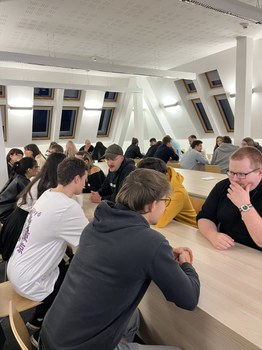
Vom 23. bis 25. Oktober 2025 fand an der Univerzita Jana Evangelisty Purkyně v Ústí nad Labem (UJEP) der Auftaktworkshop des zweiten gemeinsamen Seminars im Rahmen des sächsisch-tschechischen Projekts „re:demo – Dialog fördern und Gemeinschaft stärken / Podpora dialogu a posílení komunity“ statt. Thematisch widmet sich das Seminar den demographischen Veränderungen im Grenzraum und ihren Auswirkungen auf gesellschaftlichen Zusammenhalt und Demokratie.
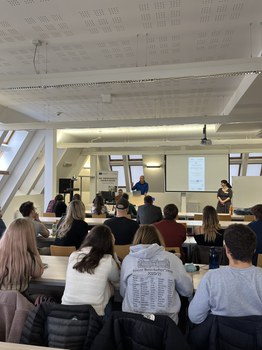
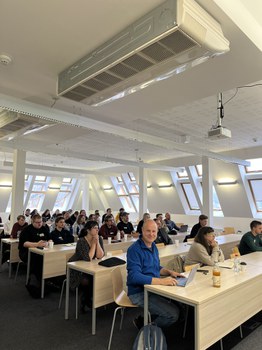
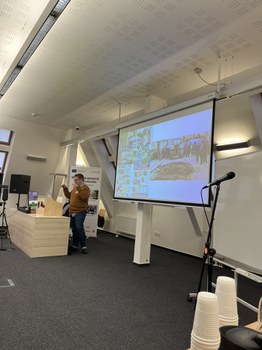
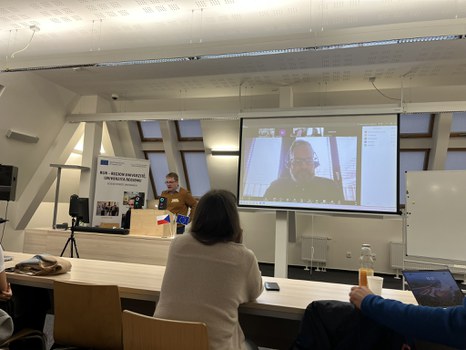
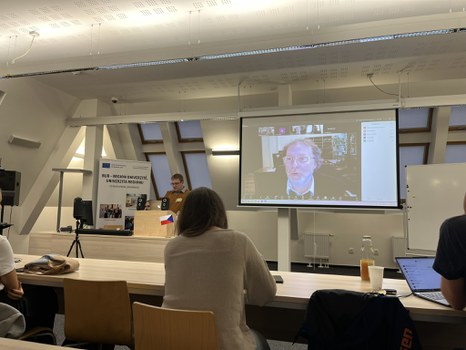
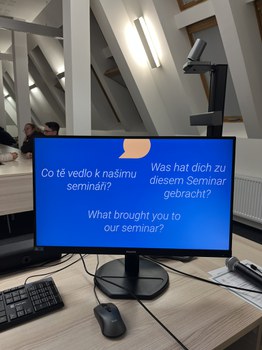
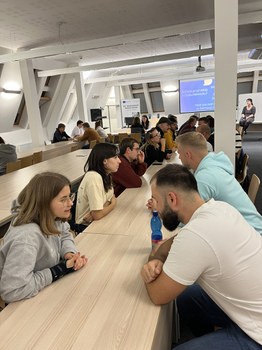
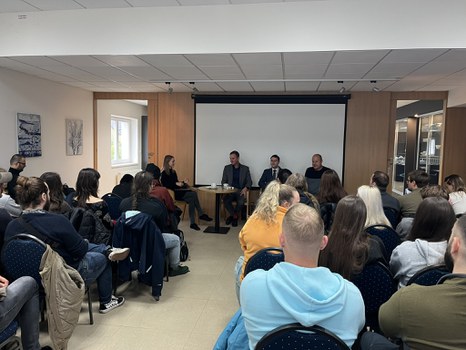
Am Donnerstagnachmittag wurden die Studierenden der Technischen Universität Dresden und der UJEP herzlich an der Philosophischen Fakultät im Institut für Politikwissenschaft begrüßt. Bei Kaffee und Gebäck fand ein erstes Kennenlernen in offener und entspannter Atmosphäre statt. Anschließend führten die Masterstudierenden Jakub Sádecký und Vojtěch Smetana in ihrem Vortrag in das Thema „Ruraler Populismus“ ein. Den inhaltlichen Höhepunkt des ersten Tages bildete die Podiumsdiskussion mit doc. RNDr. Tomáš Kostelecký, CSc. (Soziologisches Institut der Akademie der Wissenschaften der Tschechischen Republik, Prag) und Dr. Tim Leibert (Leibniz-Institut für Länderkunde, Leipzig). Unter dem Titel „Wer lebt hier und warum ist das wichtig: Demokratie im Wandel der Grenzregion“ diskutierten sie soziale, geografische und politische Dynamiken in peripheren Räumen sowie die Bedeutung demographischer Prozesse für demokratische Teilhabe. Der Abend klang mit einem Kennenlern-Speed-Dating aus.
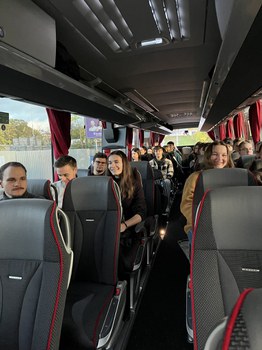
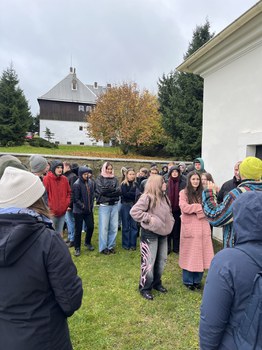
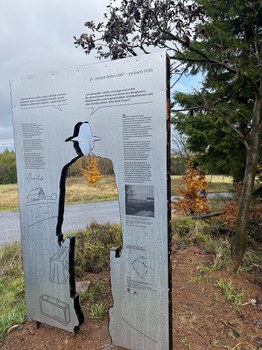
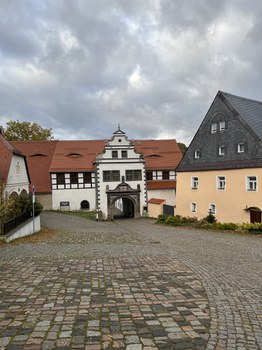
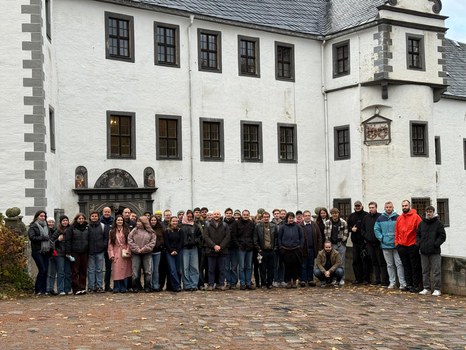
Der Freitag führte die Gruppe in die Grenzregion rund um Dubí und Zinnwald. Begleitet von Jan Kvapil, der unterwegs die Geschichte und Besonderheiten der Grenzregion erläuterte, begann der Tag mit einem Besuch im Dům porcelánu s modrou krví (Haus des Porzellans mit blauem Blut). Dort diskutierten die Studierenden mit den Bürgermeistern Jiří Kašpar (Dubí) und Thomas Peters (Bad Gottleuba-Berggießhübel) über die Herausforderungen kommunaler Politik in Grenzgebieten – von demographischem Wandel über Arbeitsmigration bis hin zu wirtschaftlicher Transformation. Trotz windigen Herbstwetters begab sich die Gruppe anschließend auf eine Spurensuche zur deutsch-tschechischen Geschichte in Cínovec/Zinnwald. Am Nachmittag stand der Besuch des Osterzgebirgsmuseums Schloss Lauenstein auf dem Programm, wo Gabriele Gelbrich und Jan Kvapil Einblicke in das Leben in den Gebirgsregionen und die historischen Verflechtungen der Grenzräume gaben.
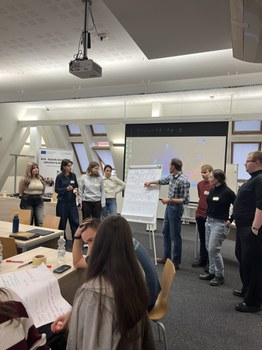
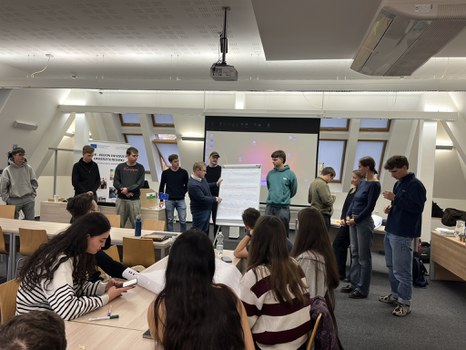
Der Samstag stand im Zeichen der deutsch-tschechischen Projektarbeit der Studierenden. Nach einem methodischen Experiment – „Ein Schritt nach vorn“ – entwickelten die Studierenden in binationalen Kleingruppen erste Ideen für ihre gemeinsamen Forschungsprojekte. Die thematischen Ansätze sind vielfältig und versprechen spannende Einblicke in die Auswirkungen des demographischen Wandels auf demokratische Prozesse und gesellschaftliche Teilhabe. Nach einer thematischen Stadtführung „Auf den Spuren deutsch-tschechischer Beziehungen in Ústí nad Labem“ endete das Seminar am Nachmittag mit einer gemeinsamen Abschlussrunde.
Das Treffen in Ústí nad Labem bot den Studierenden beider Universitäten erneut Gelegenheit, sich über aktuelle gesellschaftliche Entwicklungen im Grenzraum auszutauschen, Perspektiven zu vergleichen und gemeinsame Forschungsfragen zu entwickeln. Das nächste Wiedersehen findet bereits Anfang November in Dresden statt.


© Stefanie Gerstenberger

© Stefanie Gerstenberger

© Stefanie Gerstenberger

© Stefanie Gerstenberger

© Stefanie Gerstenberger

© Stefanie Gerstenberger

© Stefanie Gerstenberger

© Stefanie Gerstenberger

© Stefanie Gerstenberger

© Stefanie Gerstenberger

© Stefanie Gerstenberger


© Kristina Koudelková

© Stefanie Gerstenberger

© Stefanie Gerstenberger

© Stefanie Gerstenberger

© Stefanie Gerstenberger

© Kristina Koudelková

© Stefanie Gerstenberger

© Stefanie Gerstenberger

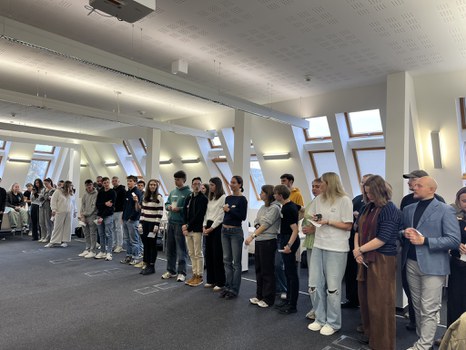
© Stefanie Gerstenberger

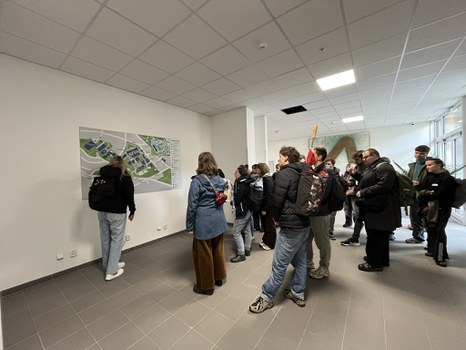
© Stefanie Gerstenberger

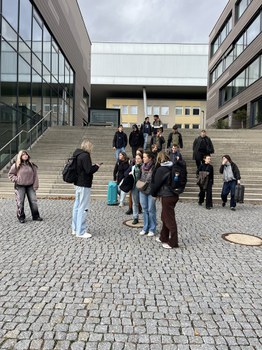
© Stefanie Gerstenberger
re:demo Univerzitní workshop v Ústí nad Labem
Demografické dynamiky v pohraničí: Výzvy pro demokracii / Demographische Dynamiken im Grenzgebiet: Herausforderungen für die Demokratie
Ve dnech 23.–25. října 2025 se na Univerzitě Jana Evangelisty Purkyně v Ústí nad Labem (UJEP) uskutečnil úvodní workshop druhého společného semináře v rámci sasko-českého projektu „re:demo – Podpora dialogu a posílení komunity / Dialog fördern und Gemeinschaft stärken“. Seminář se tematicky zaměřuje na demografické proměny v pohraničí a jejich dopady na soudržnost společnosti a fungování demokracie.
Ve čtvrtek odpoledne byli studenti Technické univerzity v Drážďanech a UJEP srdečně přivítáni na Filozofické fakultě, na Katedře politologie. Při kávě a malém občerstvení proběhlo první neformální seznámení v přátelské atmosféře. Následně studenti magisterského studia Jakub Sádecký a Vojtěch Smetana představili ve svém příspěvku téma „Rurální populismus“. Odborným vrcholem prvního dne byla panelová diskuse s doc. RNDr. Tomášem Kosteleckým, CSc. (Sociologický ústav Akademie věd České republiky, Praha) a Dr. Timem Leibertem (Leibniz-Institut für Länderkunde, Lipsko). Pod názvem „Kdo tu žije a proč na tom záleží: demokracie v proměňujícím se pohraničí“ diskutovali o sociálních, geografických a politických dynamikách v periferních regionech a o významu demografických procesů pro demokratickou participaci. Večer zakončilo rychlé seznamovací „speed dating“.
Páteční program zavedl skupinu do pohraniční oblasti kolem Dubí a Cínovce. Celodenní exkurzi doprovázel Jan Kvapil, který studentům přibližoval historii i specifika česko-německého pohraničí. Den začal návštěvou Domu porcelánu s modrou krví v Dubí, kde studenti diskutovali se starosty Jiřím Kašparem (Dubí) a Thomasem Petersem (Bad Gottleuba-Berggießhübel) o výzvách komunální politiky v pohraničí – od demografických změn přes pracovní migraci až po hospodářskou transformaci. Navzdory větrnému podzimnímu počasí se poté skupina vydala na pátrání po stopách česko-německé historie na Cínovci. Odpoledne následovala návštěva Muzea východního Krušnohoří na zámku Lauenstein, kde Gabriele Gelbrich a Jan Kvapil představili život v horských oblastech a historické propojení pohraničních regionů.
Sobota byla věnována česko-německé projektové práci studentů. Po metodickém experimentu „Krok dopředu“ rozvíjeli studenti v binacionálních skupinách první návrhy svých společných výzkumných projektů. Tematické okruhy byly rozmanité a slibují zajímavé poznatky o dopadech demografických změn na demokratické procesy a společenskou soudržnost. Po tematické procházce „Po stopách česko-německých vztahů v Ústí nad Labem“ seminář odpoledne zakončilo společné shrnutí a reflexe.
Setkání v Ústí nad Labem nabídlo studentům obou univerzit další příležitost sdílet zkušenosti, porovnat pohledy na aktuální společenský vývoj v pohraničí a rozvíjet společné výzkumné otázky. Na další setkání se účastníci mohou těšit již začátkem listopadu v Drážďanech.
Schulprojekttag an der Oberschule Adam Ries in Annaberg-Buchholz
Am 16. Mai 2025 fand an der Oberschule Adam Ries in Annaberg-Buchholz ein bilateraler Projekttag im Rahmen des deutsch-tschechischen Projekts re:demo – Dialog fördern und Gemeinschaft stärken / Podpora dialogu a posílení komunity statt. Das Projekt wird in Zusammenarbeit mit der Technischen Universität Dresden, der Univerzita J. E. Purkyně in Ústí nad Labem, der Aktion Zivilcourage sowie der Euroregion Erzgebirge-Krušnohoří durchgeführt. Im Mittelpunkt in diesem Semester stehen die Themen Polarisierung und Radikalisierung.
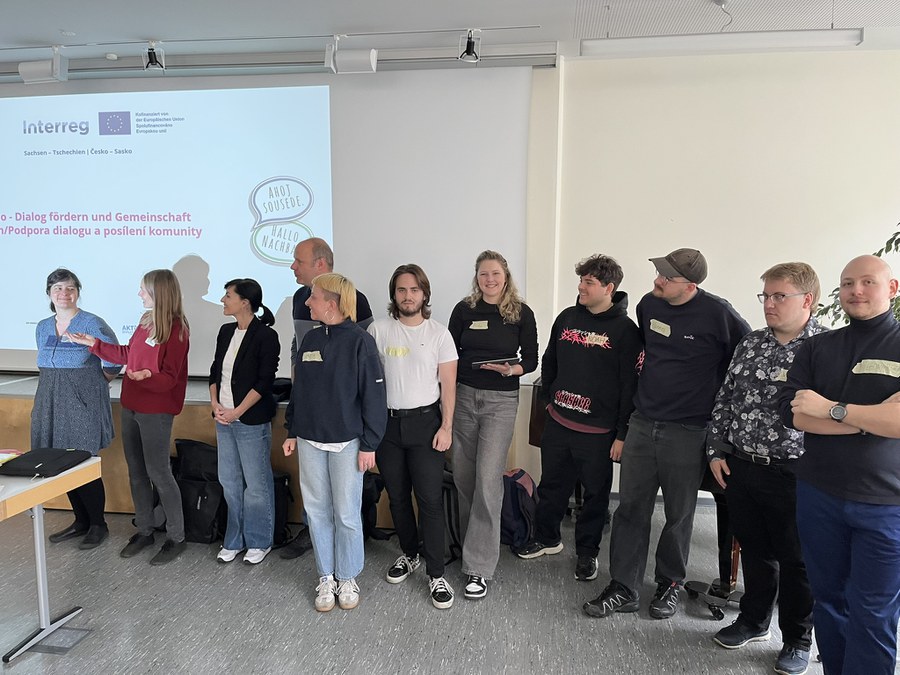
Der Projekttag (Programm) an der Oberschule wurde von Studierenden der TU Dresden und der Univerzita J. E. Purkyně in Ústí nad Labem konzipiert und durchgeführt. Begleitet und fachlich unterstützt wurden sie von Stefanie Gerstenberger (TU Dresden), Lukáš Novotný (UJEP Ústí nad Labem), Jana Wagner (Aktion Zivilcourage) und Petra Konečná (Euroregion Erzgebirge-Krušnohoří) – sowie von den Lehrkräften der Schulen, die den Projekttag aktiv begleiteten.
Ziel des Projekttags war es, neben der sprachlichen und interkulturellen Verständigung auch das gesellschaftliche Bewusstsein sowie soziale und demokratische Kompetenzen der Teilnehmer:innen zu stärken. Etwa 40 Schülerinnen und Schüler aus Deutschland und Tschechien arbeiteten an diesem Tag gemeinsam zu Fragestellungen rund um Meinungsvielfalt, Konfliktkultur und gesellschaftlichen Zusammenhalt.
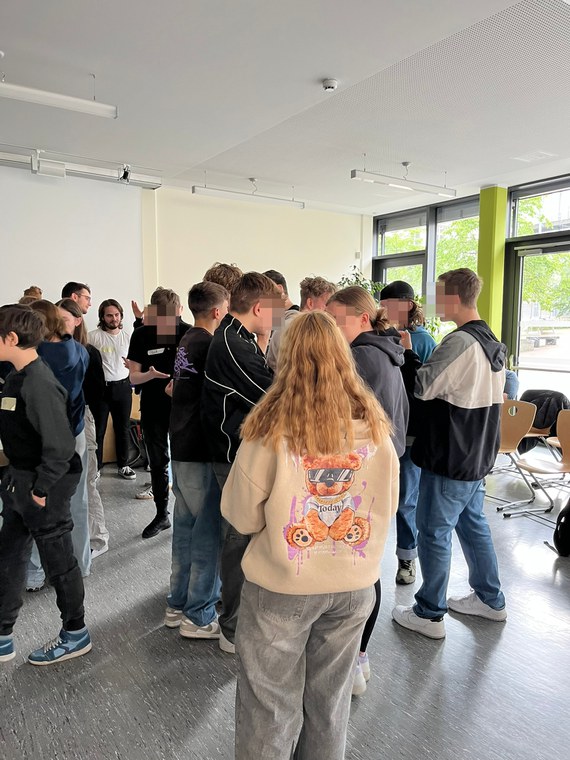
Der Einstieg in den Projekttag begann mit einer spielerischen Aktivität, die den deutschen und tschechischen Schülerinnen und Schülern die Möglichkeit gab, sich kennenzulernen und miteinander ins Gespräch zu kommen. Um die Gruppen zu durchmischen und Berührungsängste abzubauen, starteten wir mit einer interaktiven Übung: Jede Person erhielt ein Kärtchen mit einem Begriff – auf Deutsch, Tschechisch oder Englisch. Die Aufgabe bestand darin, im Raum die beiden anderen Teilnehmer:innen zu finden, die dasselbe Wort in den jeweils anderen Sprachen hatten. Dabei kamen die Jugendlichen schnell in Kontakt, unterstützten sich gegenseitig bei der Übersetzung und tauschten erste Worte und Eindrücke aus. Die Übung schuf eine offene Atmosphäre und legte eine gute Grundlage für die weitere gemeinsame Arbeit im Verlauf des Tages.
In anschließenden Gesprächsrunden standen die kommunikativen und sozialen Kompetenzen im Vordergrund. Die Schülerinnen und Schüler lernten, in kurzer Zeit mit verschiedenen Gesprächspartnern in einen Dialog zu treten, zuzuhören und auf ihr Gegenüber einzugehen. Im Zentrum dieser Runden stand vor allem der interkulturelle Austausch: Gemeinsam sprachen die Jugendlichen über alltägliche Erfahrungen, aber auch über gesellschaftlich und politisch relevante Themen. Der Schwerpunkt lag darauf, nicht nur eigene Gedanken zu teilen, sondern dem Gesprächspartner aufmerksam zu begegnen, zuzuhören, nachzufragen und Gemeinsamkeiten wie Unterschiede wahrzunehmen. Ziel war es, Offenheit zu fördern, Empathie zu stärken und den Mut zu entwickeln, sich auf neue Perspektiven einzulassen.
Das zentrale Thema des Projekttags war die Polarisierung in Gesellschaft und Politik und der Umgang mit unterschiedlichen Meinungen. Um sich diesem vielschichtigen Thema anzunähern, erhielten die Schülerinnen und Schüler zunächst einen kurzen theoretischen Einstieg. Daran anknüpfend fanden mehrere interaktive Workshops zu diesem Thema statt, um den Jugendlichen das Phänomen der Polarisierung verständlich zu machen und Umgangsformen damit beizubringen.
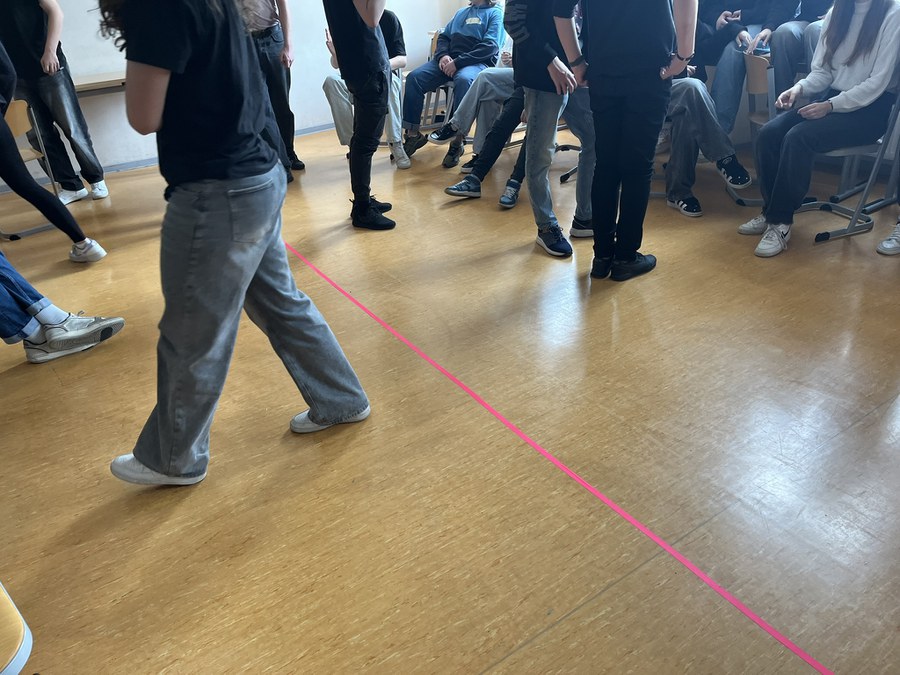
Im Positionslinienspiel setzten sich die Schülerinnen und Schüler mit polarisierenden Aussagen auseinander und positionierten sich im Raum – je nachdem, ob sie einer Aussage zustimmten oder widersprachen. Von eher alltäglichen bin hin zu gesellschaftlich kontroversen Themen reichten die Thesen, zu denen die Jugendlichen Stellung bezogen. In der anschließenden Diskussion mit ihren Mitschüler:innen auf derselben oder gegenüberliegenden Seite entwickelten sie Argumente, hörten einander zu und versuchten, unterschiedliche Sichtweisen nachzuvollziehen.
An das Positionslinienspiel schloss sich eine vertiefende Übung an, bei der die Schülerinnen und Schüler sich mit einer konkreten, durchaus polarisierenden Frage auseinandersetzten: Sollte man als Einzelperson den eigenen Lebensstil einschränken, um die Umwelt zu schützen? Nachdem sie zunächst spontan ihre Meinung dazu geäußert hatten, bestand die Herausforderung darin, im nächsten Schritt die gegenteilige Position zu vertreten – unabhängig von der eigenen Überzeugung. Diese Umkehrperspektive forderte die Jugendlichen dazu auf, sich in andere Haltungen hineinzuversetzen und Argumente zu finden, die zunächst vielleicht fremd wirkten. Dabei wurde deutlich, wie sehr persönliche Erfahrungen und Werte die eigene Meinung prägen – und dass Standpunkte nicht feststehen müssen, sondern sich im Austausch verändern können. Die Übung stärkte die Fähigkeit, die eigene Perspektive kritisch zu hinterfragen, komplexe Themen differenziert zu betrachten, und förderte Offenheit für neue Sichtweisen.
Zum Abschluss des Projekttages diskutierten die Teilnehmer:innen in kleinen Gruppen über den Umgang mit Meinungsverschiedenheiten im Alltag. Dabei wurde deutlich, wie entscheidend Fähigkeiten wie Toleranz, Kommunikationsfähigkeit und Empathie sind, um mit der Vielfalt an Einstellungen und Überzeugungen in unserer Gesellschaft umzugehen. Die Ergebnisse wurden gemeinsam festgehalten und reflektiert.
Der Projekttag war geprägt von einer offenen, respektvollen Atmosphäre und zeigte, wie viel Potenzial in der Zusammenarbeit von Jugendlichen aus verschiedenen sprachlichen und kulturellen Kontexten liegt. Die Schülerinnen und Schüler erweiterten ihren Wortschatz und bekamen im Austausch miteinander einen Einblick in andere Perspektiven und Denkweisen. Im Verlauf des Tages entstanden neue Kontakte, ein besseres gegenseitiges Verständnis – und die Erfahrung, dass Zusammenarbeit auch über Sprachgrenzen hinweg gut funktionieren kann.
Školní projektový den na Gymnáziu Adama Riese v Annaberg-Buchholz
Dne 16. května 2025 se na Gymnáziu Adama Riese v Annaberg-Buchholz uskutečnil bilaterální projektový den v rámci česko-německého projektu re:demo – Podpora dialogu a posílení komunity. Projekt je realizován ve spolupráci s Technickou univerzitou v Drážďanech (TUD), Univerzitou J. E. Purkyně v Ústí nad Labem (UJEP), Aktion Zivilcourage a Euroregionem Krušnohoří. V tomto semestru se zaměřuje na témata polarizace a radikalizace.
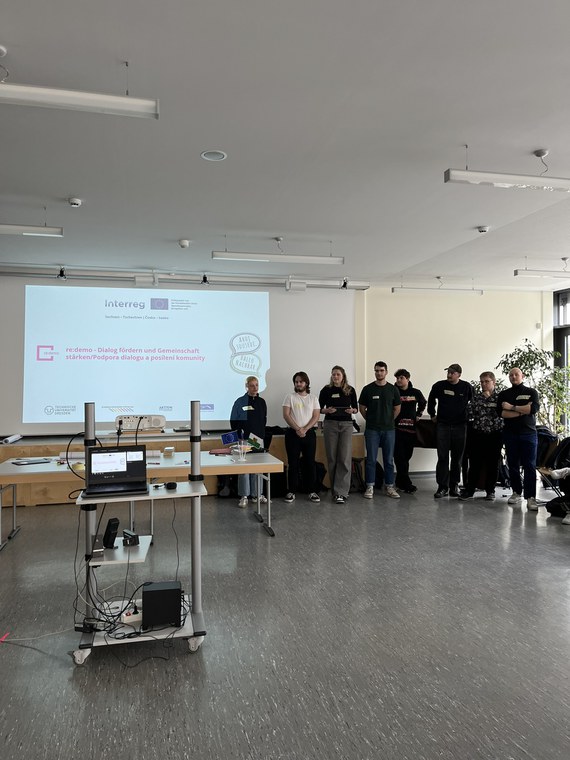
Projektový den (program) na gymnáziu navrhli a realizovali studenti z TUD a UJEP. Doprovod a odbornou asistenci jim poskytli Stefanie Gerstenberger (TUD), Lukáš Novotný (UJEP), Jana Wagner (Aktion Zivilcourage), Petra Konečná (Euroregion Krušnohoří) i učitelé školy, kteří projektový den aktivně podpořili.
Cílem projektového dne bylo nejen zlepšit jazykové a mezikulturní porozumění, ale také posílit povědomí účastníků o společnosti a jejich sociální a demokratické dovednosti. Přibližně 40 žáků z Německa a České republiky společně pracovalo na tématech týkajících se rozmanitosti názorů, kultury konfliktů a sociální soudržnosti.
Projektový den začal následujícím interaktivním cvičením, které mělo za cíl promíchat skupiny a dalo tak německým a českým žákům příležitost se navzájem poznat a zapojit se do konverzace: každý dostal kartičku s jedním slovem – v němčině, češtině nebo angličtině. Úkolem bylo najít v místnosti další dva účastníky, kteří měli stejné slovo ve zbylých jazycích. Žáci se rychle spojili, vzájemně se podporovali v překladu a vyměňovali si první slova a dojmy. Cvičení vytvořilo otevřenou atmosféru a položilo pevný základ pro další spolupráci v průběhu celého dne.
Následná diskusní kola se zaměřila na komunikaci a sociální dovednosti. Žáci se v krátkém čase naučili vést dialog s různými komunikačními partnery, naslouchat a reagovat. Zaměření těchto kol bylo primárně na mezikulturní výměnu: žáci společně diskutovali o každodenních zkušenostech i o společensky a politicky relevantních tématech. Důraz byl kladen nejen na sdílení vlastních myšlenek, ale také na pozorné zapojení partnera v rozhovoru, naslouchání, pokládání otázek a rozpoznávání podobností i rozdílů. Cílem bylo podpořit otevřenost, posílit empatii a rozvinout odvahu přijmout nové perspektivy.
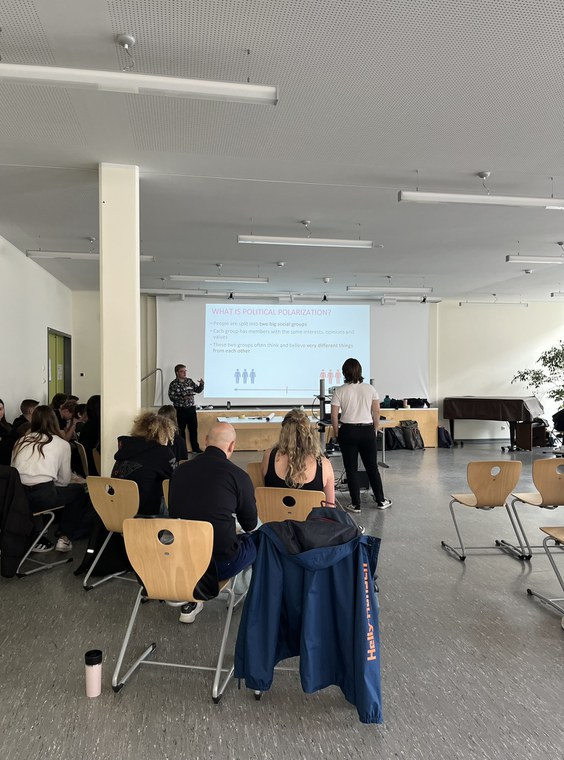
Ústředním tématem projektového dne byla polarizace ve společnosti a politice a otázka, jak se vypořádat s odlišnými názory. Aby se žáci k tomuto složitému tématu přiblížili, obdrželi nejprve krátký teoretický úvod. Následně se konalo několik interaktivních workshopů na toto téma, které měly žákům pomoci pochopit fenomén polarizace a naučit je, jak se s ním vypořádat.
V pohybové poziční hře účastníci zkoumali polarizující tvrzení a v závislosti na tom, zda s nimi souhlasili, či nesouhlasili, zaujímali v místnosti vlastní pozice. Tvrzení tematicky sahala od každodenních až po společensky kontroverzní témata. V následné diskusi se spolužáky na domácí nebo zahraniční straně účastníci rozvíjeli argumenty, vzájemně si naslouchali a snažili se pochopit různé perspektivy.
Poté následovalo cvičení, ve kterém se žáci zabývali konkrétní, silně polarizující otázkou: Měli by jednotlivci omezit svůj životní styl, aby chránili životní prostředí? Po spontánním vyjádření svých názorů byli požádáni o zaujetí opačného postoje – bez ohledu na vlastní přesvědčení. Tato obrácená perspektiva vyzvala žáky, aby se vcítili do situace ostatních a našli argumenty, které by se jim zpočátku mohly zdát zvláštní. Cvičení zdůraznilo, do jaké míry osobní zkušenosti a hodnoty formují vlastní názory – a že názory nemusí být fixní, ale mohou se měnit diskusí. Zároveň posílilo schopnost kritického pohledu na vlastní perspektivu, zaujetí diferencovaného pohledu na složité problémy a otevřenost vůči novým perspektivám.
Na konci projektového dne účastníci v malých skupinách diskutovali o tom, jak se vypořádat s neshodami v každodenním životě. To ukázalo, jak zásadní jsou tolerance, komunikační dovednosti a empatie pro zvládání rozmanitosti postojů a přesvědčení v naší společnosti. Výsledky byly zaznamenány a společně reflektovány.
Projektový den, který provázela otevřená a respektující atmosféra, ukázal velký potenciál spolupráce mladých lidí z různých jazykových a kulturních prostředí. Žáci si rozšířili slovní zásobu a prostřednictvím vzájemné výměny názorů získali vhled do jiných perspektiv a způsobů myšlení. V průběhu dne se podařilo navázat nové kontakty, rozvinout lepší vzájemné porozumění a získat zkušenost, že spolupráce může dobře fungovat i přes jazykové bariéry.
Universitätsworkshop 24.04.-26.04.2025
Nach dem erfolgreichen Auftaktworkshop in Dresden setzte das deutsch-tschechische Projekt „re:demo: Dialog fördern und Gemeinschaft stärken / Podpora dialogu a posílení komunity“ sein Seminar zum Thema „Gemeinschaft stärken, Vielfalt leben: Zusammen gegen Polarisierung und Radikalisierung“ vom 24. bis 26. April 2025 in Ústí nad Labem fort (Programm). Ziel des Treffens war es, die Auseinandersetzung mit Radikalisierung und gesellschaftlicher Resilienz weiterzuführen und dabei den deutsch-tschechischen Austausch weiter zu vertiefen.
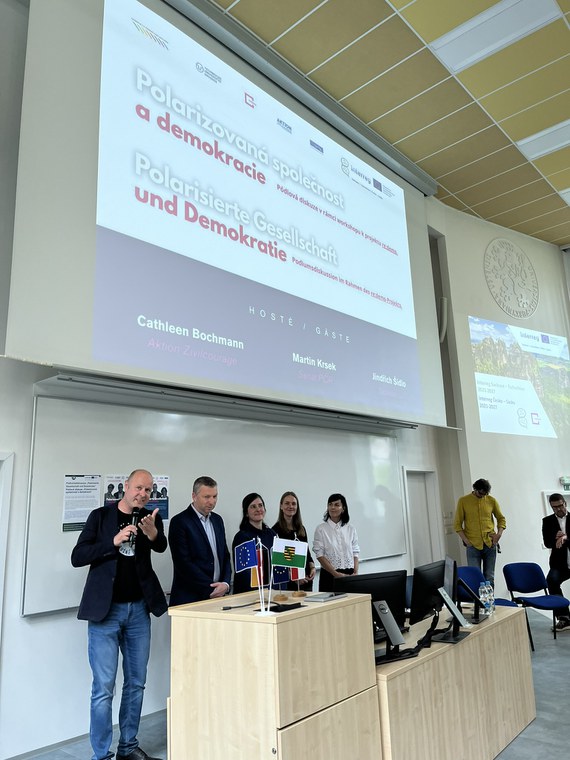
Nach der Ankunft der deutschen Studierenden in Ústí nad Labem startete das Seminar am Donnerstag um 15:00 Uhr mit einer herzlichen Begrüßung durch den Rektor der UJEP Jaroslav Koutský und das Projektteam, vertreten durch Lukáš Novotný (UJEP), Stefanie Gerstenberger (TU Dresden), Jana Wagner (Aktion Zvilcourage) und Petra Konečná (Euroregion Erzgebirge-Krušnohoří).
Im Anschluss daran diskutierten Cathleen Bochmann (Aktion Zivilcourage), Martin Krsek (Senat PČR) und Jindřich Šídlo (Seznam.cz) im Rahmen einer Podiumsdiskussion über das Thema „Polarisierte Gesellschaft und Demokratie“. Die Moderation übernahm Jakub Strnad (Student FF UJEP). Im Mittelpunkt der Diskussion standen Ereignisse in Deutschland und Tschechien, die in den vergangenen Jahren maßgeblich zur gesellschaftlichen Polarisierung beigetragen haben. Besonders herausgestellt wurde der Einfluss polarisierender Parteien, ihre Strategien und die unterschiedliche Stärke ihrer Wirkung in beiden Ländern. Auch die Rolle und Ausprägung des Rechtsextremismus wurde eingehend betrachtet. Die Diskussion machte eindrucksvoll deutlich, dass Polarisierung nicht nur politische Institutionen unter Druck setzt, sondern auch das gesellschaftliche Miteinander erheblich belastet. Ein besonderer Schwerpunkt lag deshalb auf der Frage, wie gesellschaftliche Resilienz gestärkt werden kann, um demokratische Werte und sozialen Zusammenhalt auch in Zeiten zunehmender Spaltung zu bewahren.
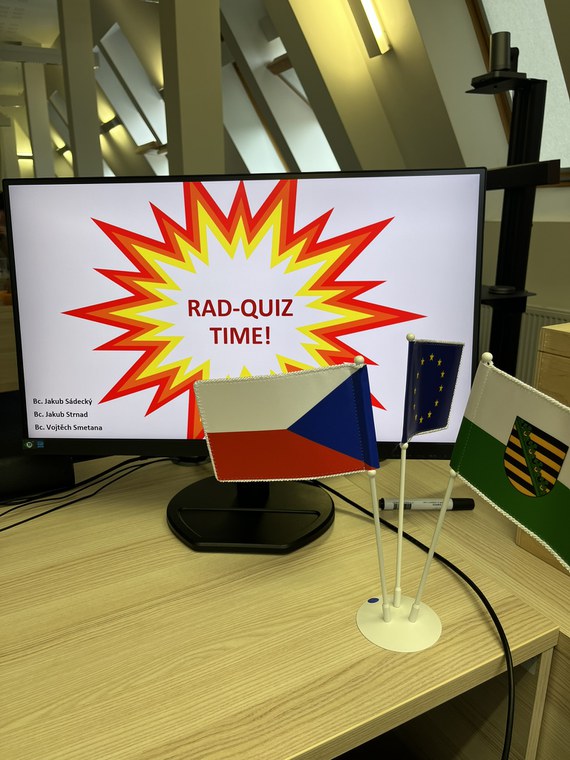
Nach einer kurzen Kaffeepause folgte ein von Masterstudierenden organisiertes Quiz zu den Themen Demokratie und Radikalismus, das einen interaktiven und zugleich lehrreichen Abschluss des ersten Tages bot.
Der Freitag begann mit einem spannenden Vortrag von Pavel Gazárek (ČVUT / Polizei ČR) über Deradikalisierungsprogramme als Beitrag zu einer resilienten Gesellschaft. Seine praktischen Erfahrungen boten einen wichtigen Einblick in Präventionsstrategien.
Der Tag war außerdem geprägt von integrativen Workshops und intensiver Gruppenarbeit, die von Stefanie Gerstenberger (TU Dresden) und Jana Wagner (Aktion Zivilcourage) gestaltet und angeleitet wurden. Am Vormittag fanden sich die Teilnehmer:innen in gemischten deutsch-tschechischen Gruppen zusammen, um sich über Gemeinsamkeiten untereinander auszutauschen, um sich weiterhin besser kennenzulernen und miteinander ins Gespräch zu kommen.
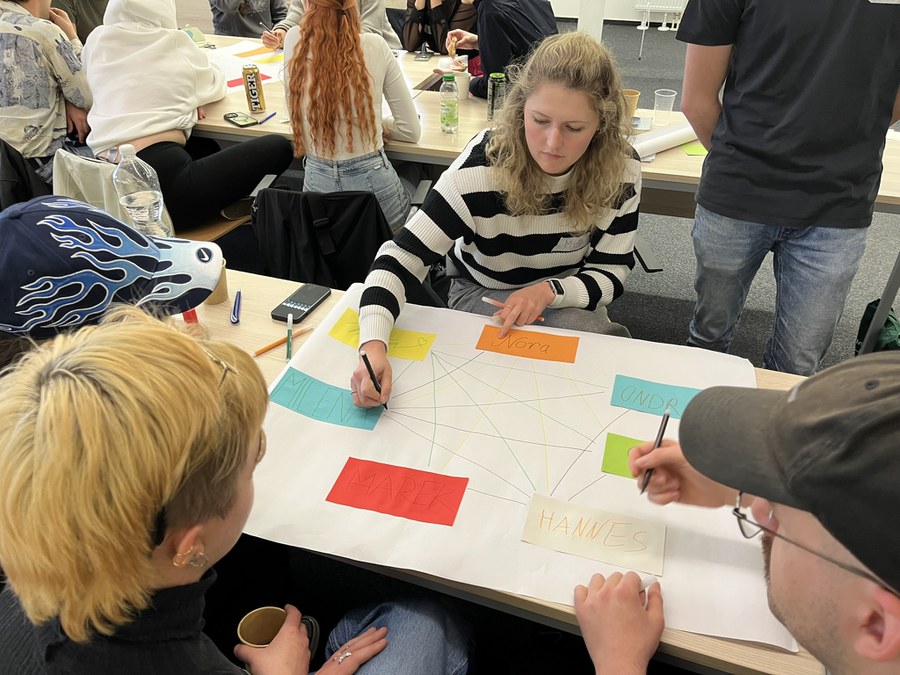
Im Anschluss folgte ein Vortrag der Paritätische Freiwilligendienste Sachsen gGmbH, der über die Möglichkeiten informierte, einen Freiwilligendienst in Deutschland oder Tschechien zu absolvieren. Damit wurde den Teilnehmer:innen eine weitere Perspektive für einen langfristigen deutsch-tschechischen Austausch eröffnet.
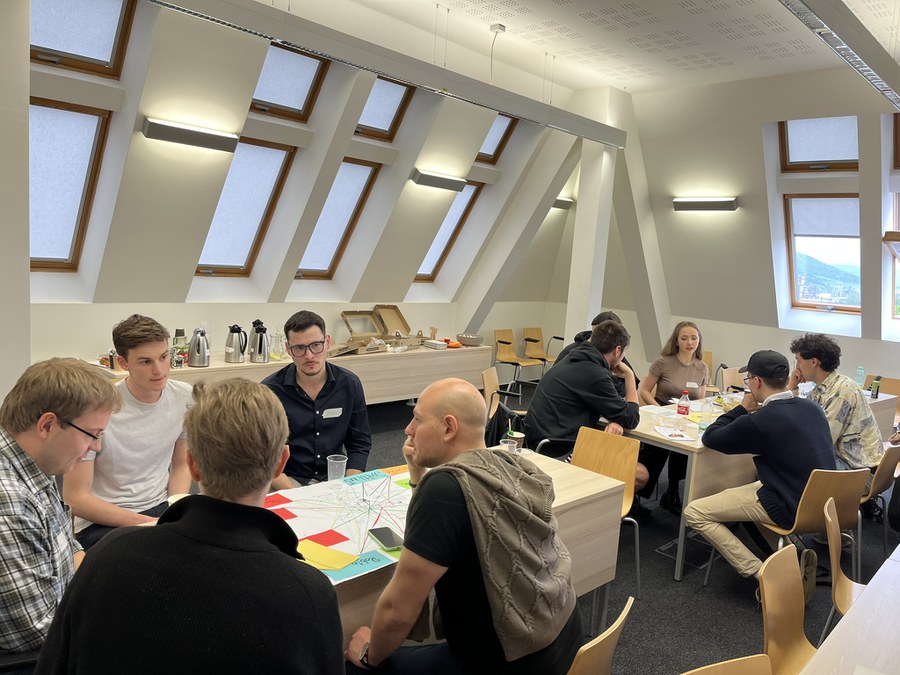
Nach einer Mittagspause setzten sich die Teilnehmer:innen in Dilemma-Diskussionen mit kontroversen gesellschaftlichen Fragestellungen auseinanderzusetzen. Im Zentrum standen dabei einerseits die Debatte um das Gedicht „Avenidas“ von Eugen Gomringer an der Fassade der Alice Salomon Hochschule in Berlin, andererseits die Frage nach dem angemessenen Umgang mit rassistischen Begriffen in Kinderbüchern, wie sie etwa in Astrid Lindgrens Pippi Langstrumpf vorkommen. Die Diskussionen ermöglichten es den Teilnehmer:innen, verschiedene Perspektiven einzunehmen und reflektiert über Sprachsensibilität, kulturelles Erbe und gesellschaftlichen Wandel zu debattieren.
Im Anschluss arbeiteten die Studierenden weiter an ihren gemeinsamen Projektarbeiten, die im Rahmen des Seminars erstellt werden. Den Tagesabschluss bildete ein gemeinsames Grillen.
Am Samstagmorgen referierten Jakub Sádecký und Vojtěch Smetana (beide Studenten der UJEP) zur Polarisierung der Gesellschaften in Mitteleuropa.
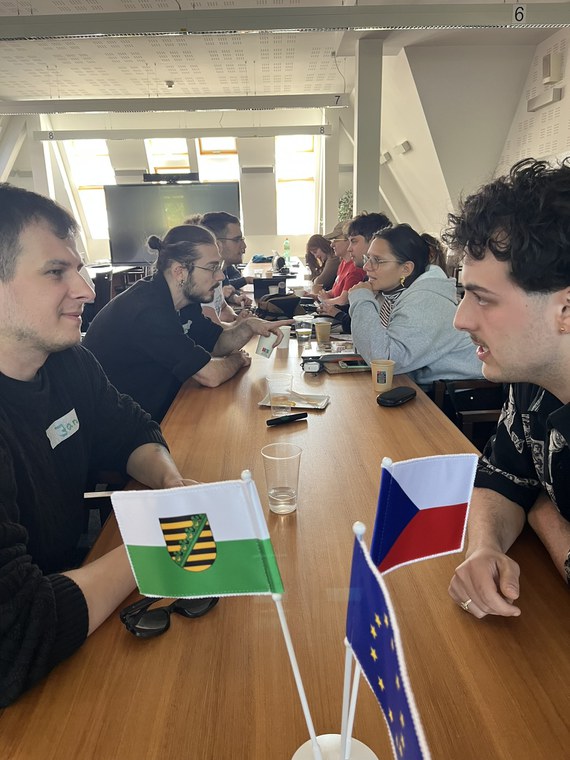
Anschließend folgte ein argumentatives „Speed-Dating“, bei dem die Teilnehmer:innen ihre Positionen zu polarisierenden gesellschaftspolitischen Themen schnell und präzise formulieren und im kurzen Austausch verteidigen sollten. Ziel der Methode war es, die Fähigkeit zu stärken, sich auf die Argumente des Gegenübers einzulassen, eigene Standpunkte klar zu vertreten und zugleich Toleranz gegenüber abweichenden Meinungen zu üben.
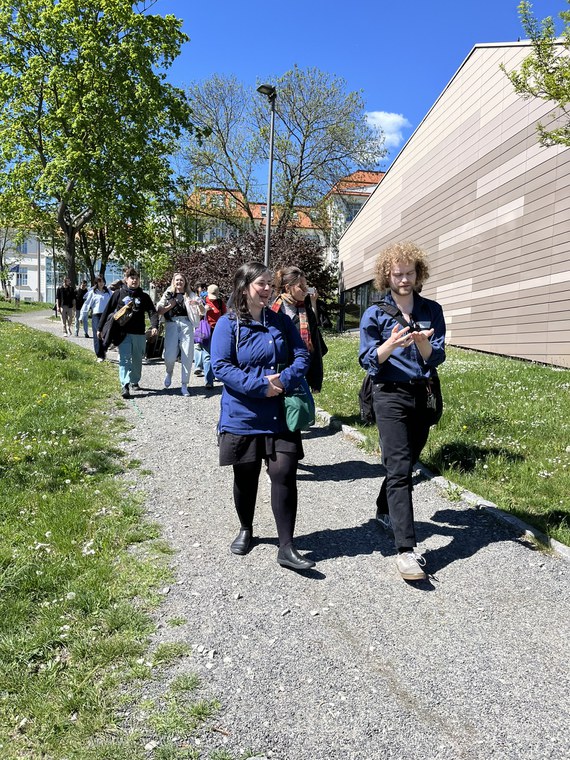
Nach einer weiteren Gruppenarbeitsphase und einem gemeinsamen Mittagessen endete der inhaltliche Teil des Seminars. Anschließend folgte eine thematische Stadtführung durch Ústí nad Labem, die sich mit den deutsch-tschechischen Beziehungen auseinandersetzte.
Das Anschlusseminar in Ústí nad Labem war eine gelungene Fortsetzung des Projekts. Es bot spannende Impulse und praxisorientierte Methoden und brachte Studierenden aus Deutschland und Tschechien enger zusammen. Die abwechslungsreiche Mischung aus Expert:innen-Vorträgen, Workshops und gemeinsamen Aktivitäten förderte den interkulturellen Austausch und half dabei, Polarisierungs- und Radikalisierungstendenzen in der deutschen und tschechischen Gesellschaft zu reflektieren. Gleichzeitig wurden konkrete Ansätze reflektiert, wie gesellschaftliche Vielfalt gestärkt und ein lebendiges Miteinander gefördert werden kann.
Univerzitní workshop 24.–26. dubna 2025
Po úspěšném úvodním workshopu v Drážďanech pokračoval německo-český projekt „re:demo: Podpora dialogu a posílení komunity / Dialog fördern und Gemeinschaft stärken“ druhým workshopem na téma „Posilování komunity, živá rozmanitost: Společně proti polarizaci a radikalizaci“ od 24. do 26. dubna 2025 v Ústí nad Labem (program). Jeho cílem bylo navázat na diskusi o radikalizaci a sociální odolnosti a dále prohloubit německo-českou výměnu.
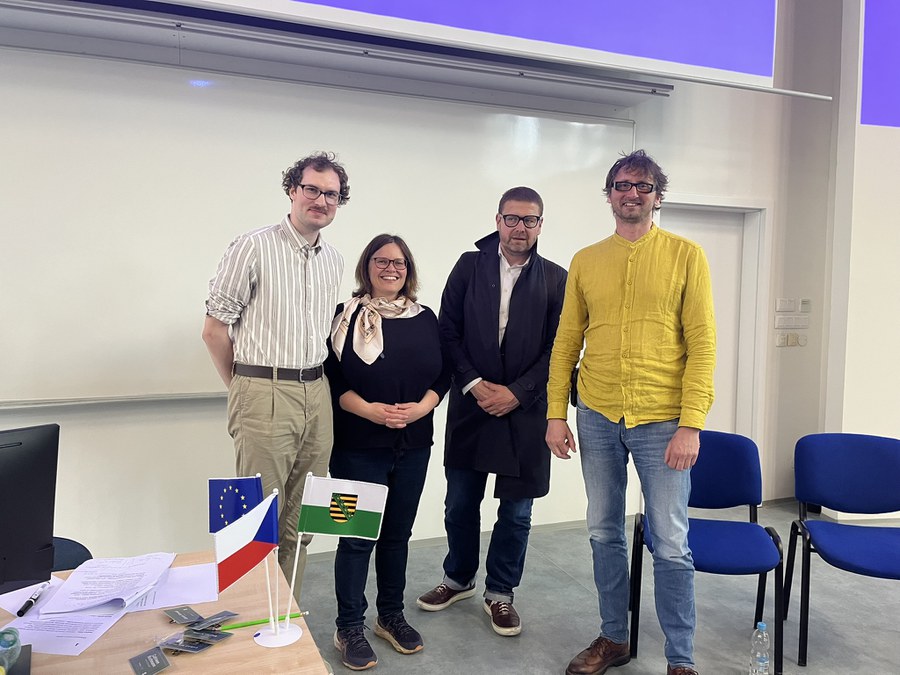
Workshop začal po příjezdu německých studentů do Ústí nad Labem ve čtvrtek v 15:00 za přijetí rektora UJEP Jaroslava Koutského a projektového týmu zastoupeného Lukášem Novotným (UJEP), Stefanie Gerstenberger (TU Dresden), Janou Wagner (Aktion Zvilcourage) a Petrou Konečnou (Euroregion Erzgebirge-Krušnohoří).
Následovala panelová diskuze na téma „Polarizovaná společnost a demokracie“ v moderaci studenta FF UJEP, Jakuba Strnada, jejímiž hosty byli Cathleen Bochmann (Aktion Zivilcourage), Martin Krsek (Senát PČR) a Jindřich Šídlo (Seznam.cz). Diskuse se zaměřila na události v Německu a České republice, které v posledních letech významně přispěly k sociální polarizaci. Zvláštní důraz byl kladen na vliv polarizujících stran, jejich strategie a různou míru jejich dopadu v obou zemích. Podrobně byla debatována také role a povaha pravicového extremismu. Diskuse ukázala, že polarizace vytváří nejen tlak na politické instituce, ale přináší i značnou zátěž pro sociální soužití. Zvláštní pozornost proto byla věnována otázce, jak posílit sociální odolnost, aby zůstaly zachovány demokratické hodnoty a sociální soudržnost i v dobách rostoucího rozdělení.
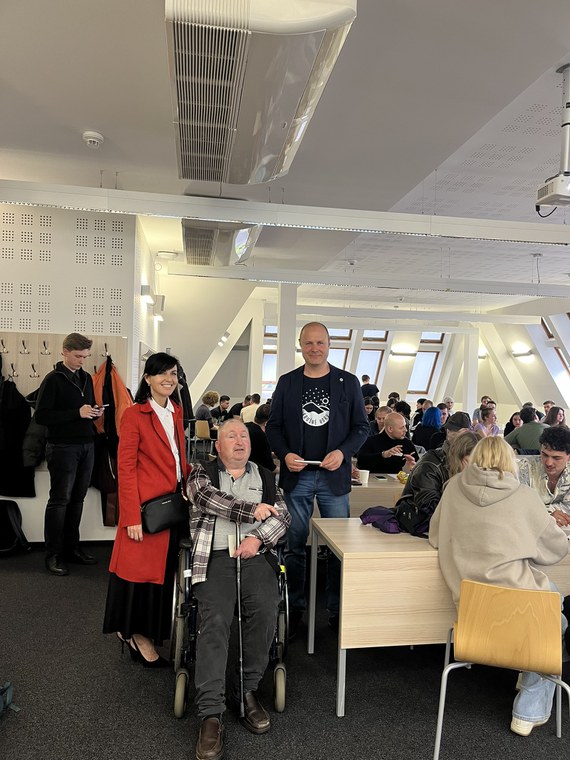
Po krátké přestávce na kávu uzavřel první den workshopu interaktivní a vzdělávací kvíz na téma demokracie a radikalismu, který uspořádali studenti magisterského studia.
Pátek začal poutavou přednáškou Pavla Gazárka (ČVUT / Policie ČR) o deradikalizačních programech jako příspěvku k odolné společnosti. Jeho zkušenosti poskytly zajímavý praktický vhled do preventivních strategií.
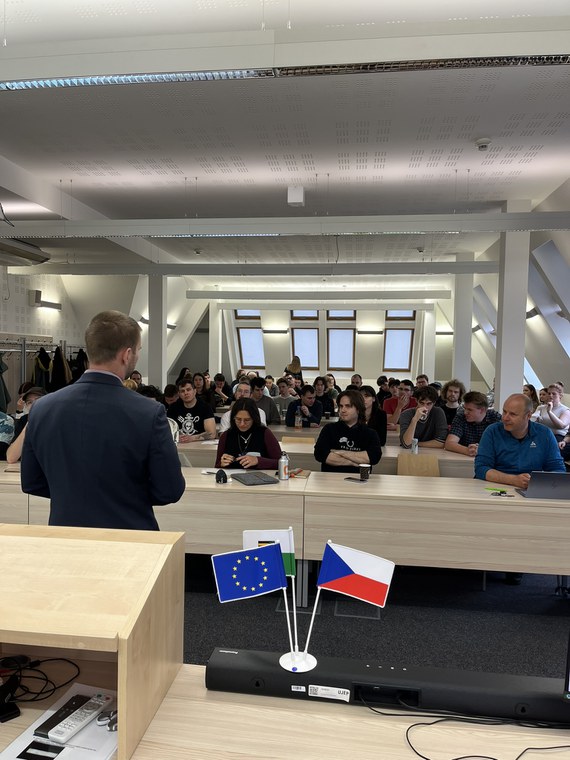
Po přednášce pokračoval program integrativními aktivitami a intenzivní skupinovou prací, které navrhly a vedly Stefanie Gerstenberger (TU Dresden) a Jana Wagner (Aktion Zivilcourage). Dopoledne si účastníci vyměňovali názory ve smíšených německo-českých skupinách, aby se lépe poznali a navázali konverzaci.
Následovala prezentace Paritätische Freiwilligendienste Sachsen gGmbH, která informovala o možnostech absolvování dobrovolnické služby v Německu nebo v České republice. To účastníkům ukázalo další perspektivu pro dlouhodobou německo-českou výměnu.
Po obědě se účastníci zapojili do diskusí o kontroverzních společenských otázkách. Důraz byl kladen jednak na debatu o básni „Avenidas“ od Eugena Gomringera na fasádě Univerzity Alice Salomonové v Berlíně a jednak na otázku vhodného používání rasistických výrazů v dětských knihách, jako jsou ty, které se nachází v knize Pipi Dlouhá Punčocha od Astrid Lindgrenové. Diskuse umožnily účastníkům zaujmout různé postoje a zamyslet se nad jazykovou citlivostí, kulturním dědictvím a společenskými změnami.
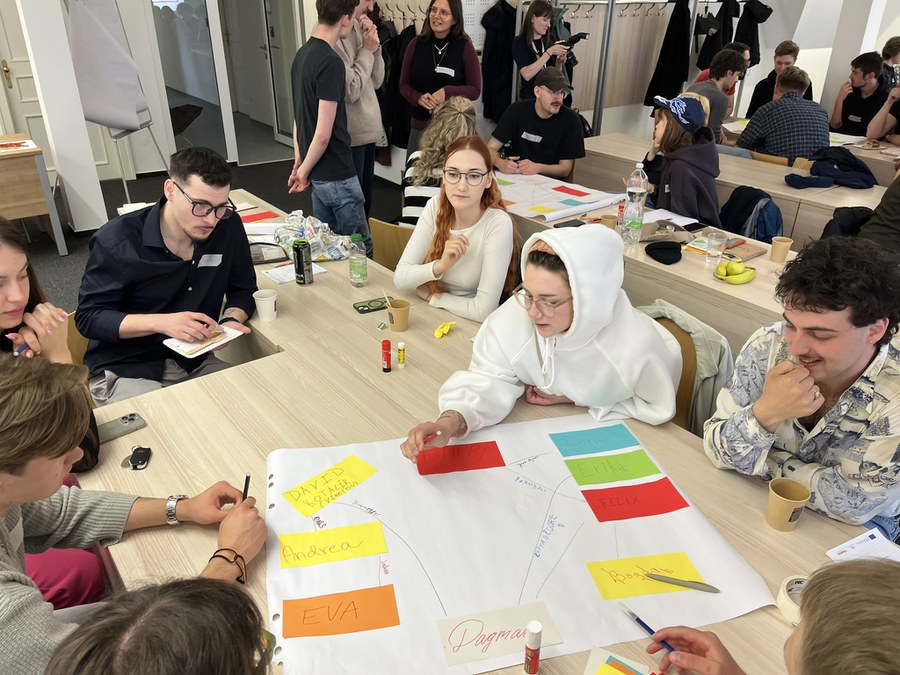
Poté studenti pokračovali v práci na svém společném projektu, který vzniká v rámci workshopu. Den zakončila společná grilovačka.
V sobotu dopoledne vystoupili Jakub Sádecký a Vojtěch Smetana (oba studenti FF UJEP) s přednáškou o polarizaci společností ve střední Evropě.
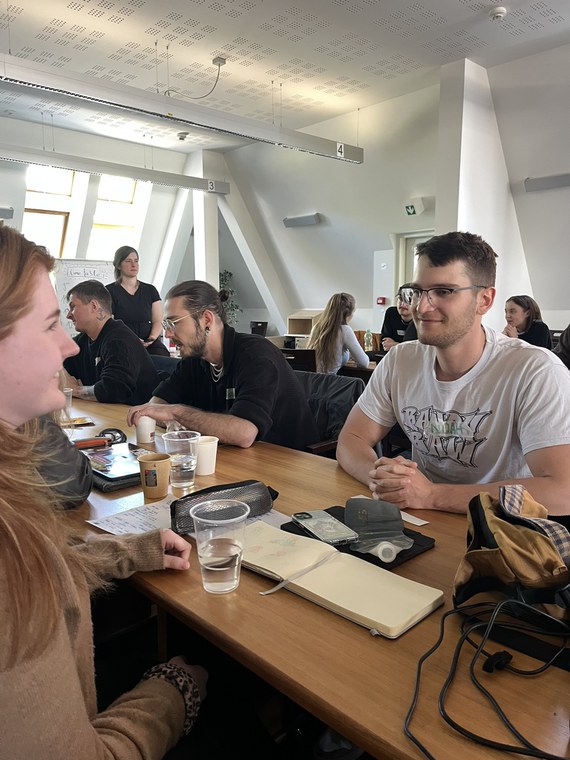
Následoval argumentační „speed dating“, v jehož rámci měli účastníci rychle a přesně formulovat své postoje k polarizujícím sociopolitickým otázkám a obhájit je v krátké výměně názorů. Cílem metody bylo posílit schopnost zaujmout svými argumenty druhou osobu, jasně reprezentovat vlastní úhel pohledu a zároveň procvičit toleranci vůči odlišným názorům. Po další fázi skupinové práce a společném obědě byla obsahová část workshopu ukončena. Účastníci pokračovali na tematickou prohlídku města Ústí nad Labem, která se orientovala na místní historické německo-české vztahy.
Workshop v Ústí nad Labem byl úspěšným pokračováním projektu. Prakticky orientované metody a sblížily studenty z Německa a České republiky. Kombinace odborných přednášek, workshopů a společných aktivit podpořila mezikulturní výměnu a pomohla zamyslet se nad polarizačními a radikalizačními tendencemi v německé a české společnosti. Zároveň byly zváženy konkrétní přístupy k posílení sociální rozmanitosti a podpoře živého soužití.
Universitätsworkshop 04.04.-06.04.2025
re:demo Universitätsworkshop Gemeinschaft stärken, Vielfalt leben: Zusammen gegen Radikalisierung und Polarisierung / Posilování komunitního života, živá rozmanitost: Společně proti radikalizaci a polarizaci
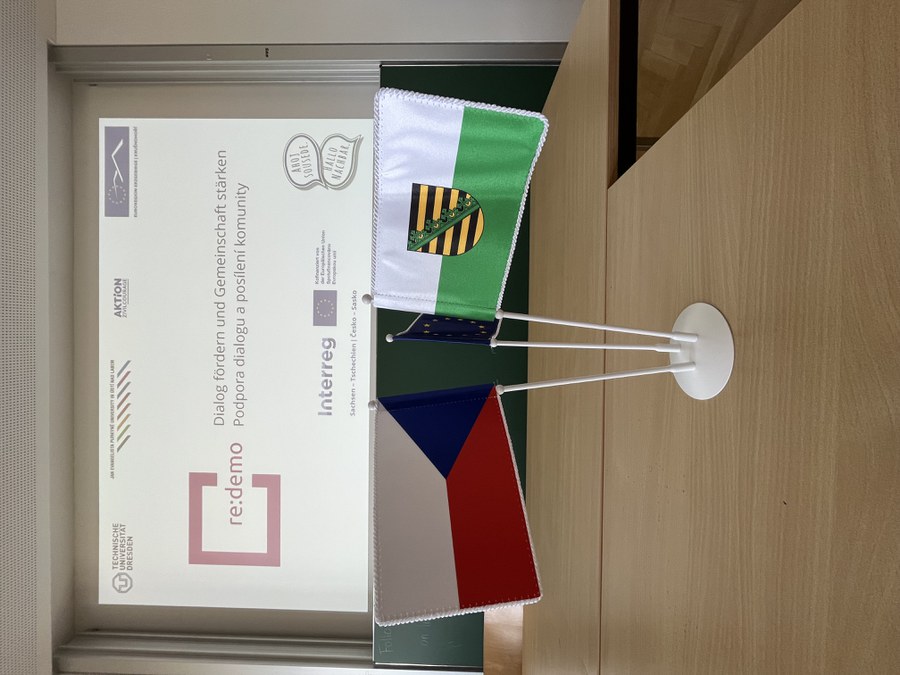
Im Rahmen des sächsisch-tschechischen Projekts „re:demo: Dialog fördern und Gemeinschaft stärken/ Podpora dialogu a posílení komunity“, fand vom 4. bis 6. April 2025 in Dresden das erste gemeinsame Präsenzseminar (Programm) mit Studierenden der Univerzita Jana Evangelisty Purkyně Ústí nad Labem und der Technischen Universität Dresden statt. Das übergreifende Thema in diesem Semester ist es, sich grenzüberschreitend mit den Themen Polarisierung, Radikalisierung und gesellschaftlicher Resilienz in Sachsen und Tschechien auseinanderzusetzen.
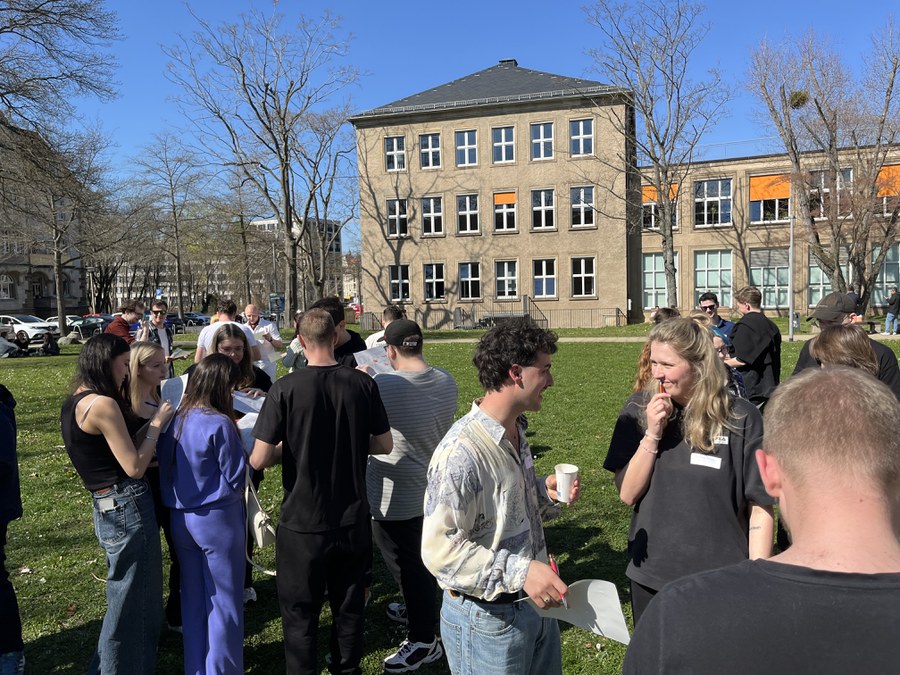
Am Freitag wurden die Studierenden an der TU Dresden von Stefanie Gerstenberger (TU Dresden), Lukáš Novotný (UJEP), Jana Wagner (Aktion Zivilcourage) und Petra Konečná (Euroregion Erzgebirge-Krušnohoří) herzliche begrüßt. In lockerer Atmosphäre – bei Kaffee und Keksen – boten interaktive Kennlernspiele eine erste Gelegenheit zum Austausch und sorgten für gute Stimmung unter den Teilnehmerinnen und Teilnehmern. Im Anschluss machten sich die Studierenden auf den Weg in den Sächsischen Landtag. Während der Straßenbahnfahrt wurden durch Diskussionskarten erste Diskussionen angeregt. Im Sächsischen Landtag traf sich die Gruppe mit den Landtagsabgeordneten Albrecht Pallas (SPD) und Ingo Flemming (CDU), um sich über die drängendsten politischen und gesellschaftlichen Themen in Sachsen auszutauschen. Im Mittelpunkt standen die spürbare Unzufriedenheit weiter Teile der Bevölkerung, der wachsende Einfluss populistischer Kräfte und die Frage, wie die Demokratie in einem zunehmend polarisierten Umfeld gestärkt werden kann. Der Tag endete mit einem gemeinsamen Abendessen.
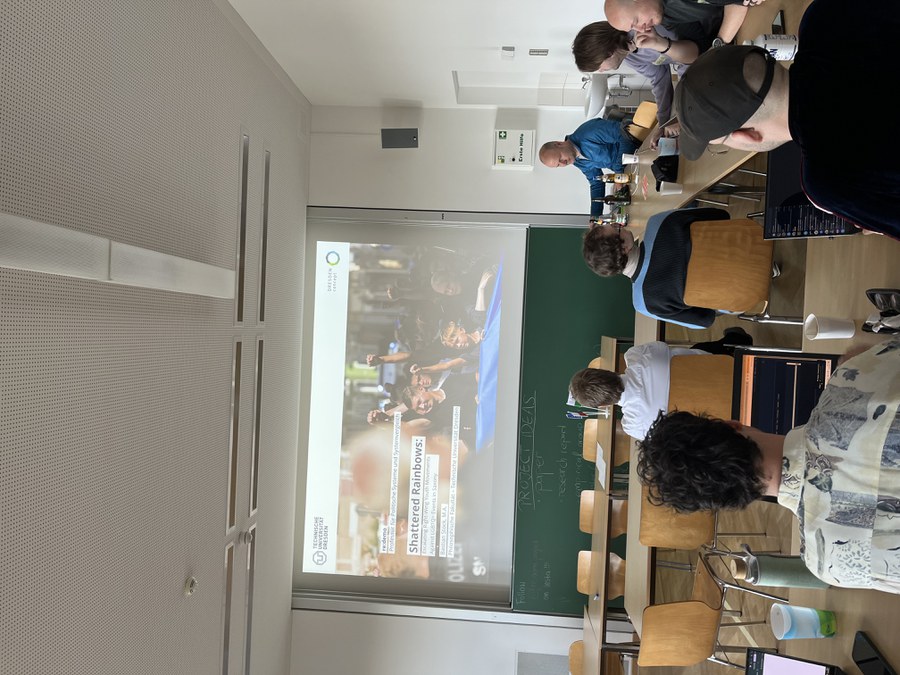
Der Samstag begann mit einer vertiefenden Einführung in die Themen Polarisierung, Radikalisierung und gesellschaftliche Resilienz in Tschechien und Deutschland. Darauf aufbauend wurde in Kleingruppen diskutiert, wie diesen Phänomenen begegnet werden kann und wie gesellschaftliche Spannungen ausgehalten und konstruktiv bearbeitet werden können. Anschließend entwickelten die Teilnehmerinnen und Teilnehmer erste Ideen für ihre Projektarbeiten, die im Rahmen des Seminars gestaltet werden. Am Nachmittag besuchte die Gruppe die Gedenkstätte Münchner Platz. Die Gruppe erhielt einen Einblick in die Geschichte des Georg-Schumann-Baus sowie in die dort begangenen Verbrechen während des Nationalsozialismus und der DDR-Diktatur. Der Tag schloss mit einem Vortrag von Bastian Stock über rechtsextreme Jugendbewegungen gegen LGBTQ+-Veranstaltungen in Sachsen.
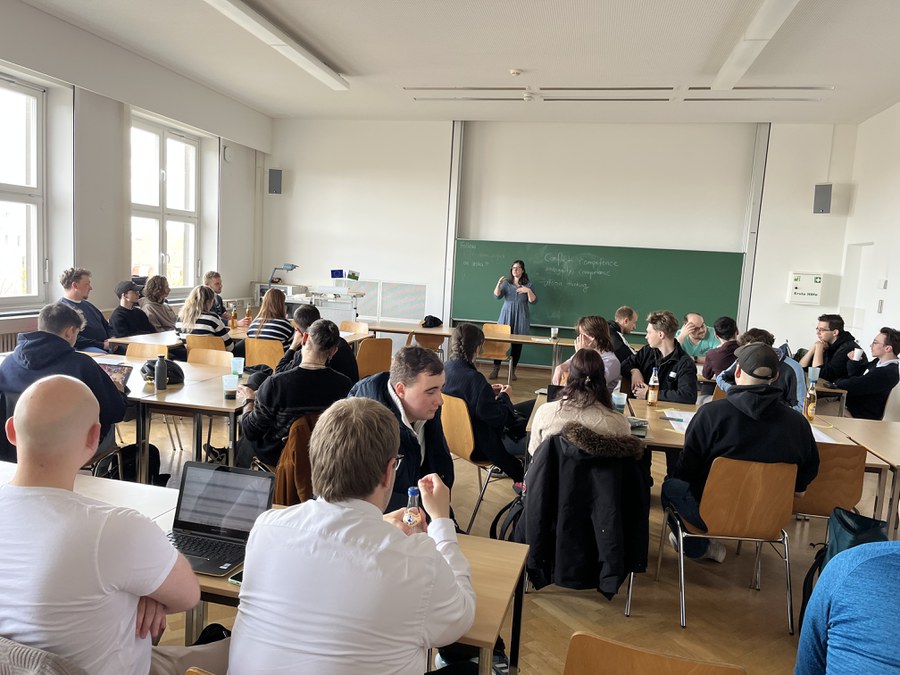
Am Sonntag startete das Seminar mit einer Übung zur Stärkung der Resilienz. Anschließend arbeiteten die Studierenden in Kleingruppen weiter an ihren Projektideen, die sie später präsentierten und diskutierten. Mit einem gemeinsamen Abschluss endete das Seminar.
Das Seminar bot einen intensiven Austausch zu aktuellen politischen Herausforderungen sowie eine Plattform zur Vernetzung und Entwicklung gemeinsamer Projekte. Mit Vorfreude sehen wir der Fortsetzung des Seminars entgegen und freuen uns auf das Wiedersehen mit unseren tschechischen Kommilitoninnen und Kommilitonen im April in Ústí nad Labem.
re:demo Univerzitní workshop Posilování komunitního života, živá rozmanitost: Společně proti radikalizaci a polarizaci / Gemeinschaft stärken, Vielfalt leben: Zusammen gegen Radikalisierung und Polarisierung (4. - 6. dubna 2025)
V rámci sasko-českého projektu „re:demo: Podpora dialogu a posilování komunity“ se ve dnech 4. až 6. dubna 2025 v Drážďanech uskutečnil první společný seminář (program) se studenty Univerzity Jana Evangelisty Purkyně Ústí nad Labem a Vysoké školy technické v Drážďanech. Zastřešujícím tématem tohoto semestru je řešení problémů radikalizace a sociální radikalizace v Sasku a České republice.
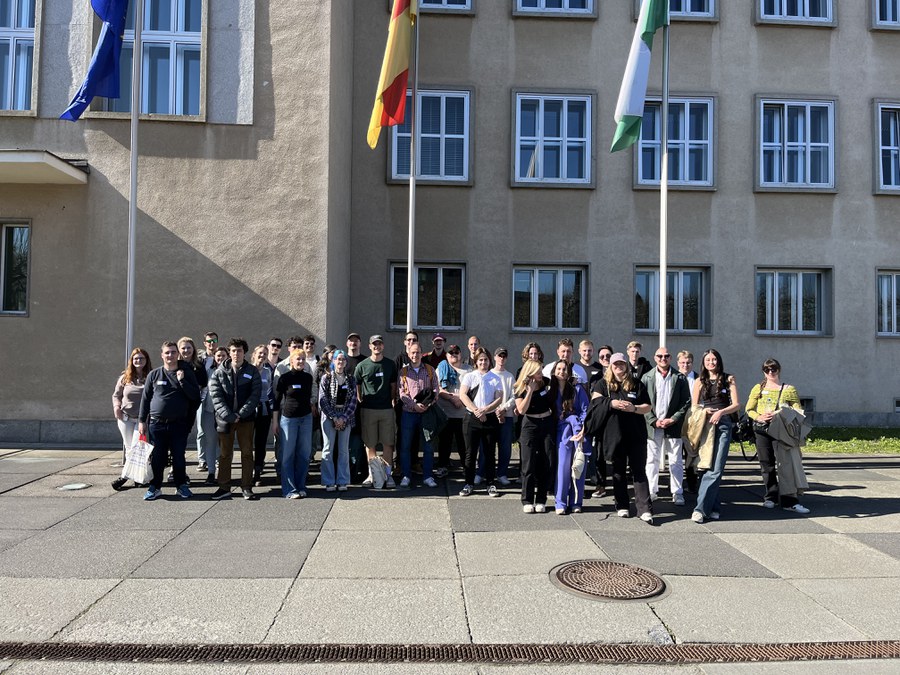
V pátek studenty na TU Dresden přivítali Stefanie Gerstenberger (TU Dresden), Lukáš Novotný (UJEP), Jana Wagner (Aktion Civil Courage) a Petra Konečná (Euroregion Erzgebirge-Krušnohoří). V uvolněné atmosféře – s kávou a sušenkami – nabídly interaktivní seznamovací hry počáteční příležitost k výměně názorů a vytvořily mezi účastníky dobrou náladu. Poté studenti navštívili saský zemský parlament. Během jízdy tramvají byla podněcována diskuze prostřednictvím diskusních karet. V saském zemském parlamentu se skupina setkala s poslanci zemského parlamentu Albrechtem Pallasem (SPD) a Ingo Flemmingem (CDU), aby projednali palčivé politické a sociální otázky v Sasku. V centru pozornosti byla nespokojenost značných vrstev obyvatelstva, rostoucí vliv populistických sil a otázka, jak lze posílit demokracii v tomto stále více polarizovaném prostředí. Den byl zakončen společnou večeří.
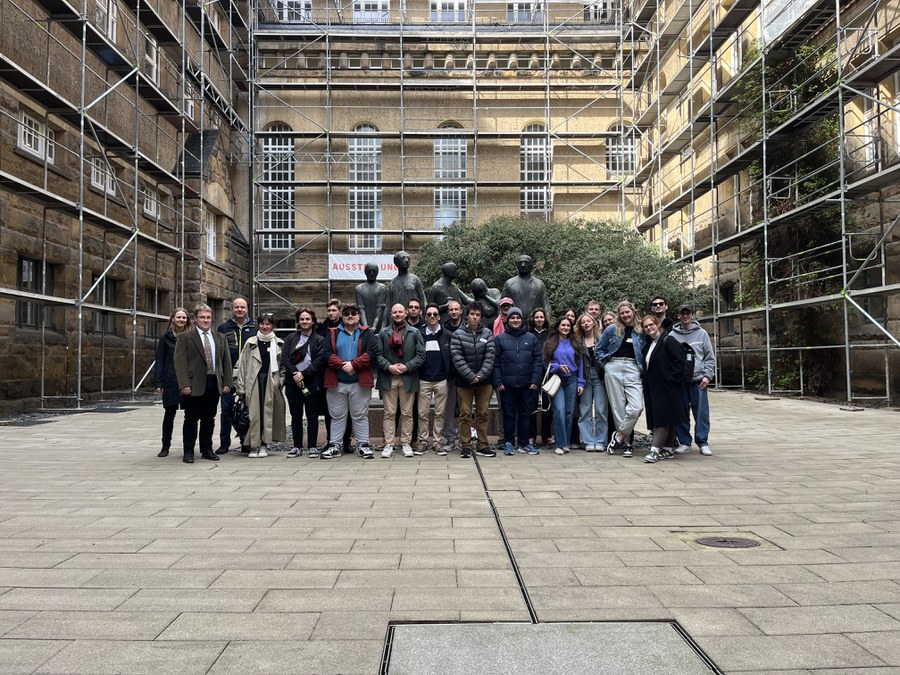
Sobota začala úvodem do témat polarizace, radikalizace a sociální odolnosti v České republice a Německu. V návaznosti na to diskutovali studenti ve skupinkách o tom, jak lze tyto jevy řešit a jak lze vydržet sociální napětí a konstruktivně se s ním vypořádat. Poté účastníci vypracovali prvotní nápady pro svou projektovou práci. Odpoledne skupina navštívila památník Münchner Platz. Skupina získala vhled do historie budovy Georga Schumanna a zločinů spáchaných v ní během nacionálního socialismu a diktatury NDR. Den zakončila přednáška Bastiana Stocka o pravicově extremistických hnutích mládeže proti LGBTQ+ událostem v Sasku.
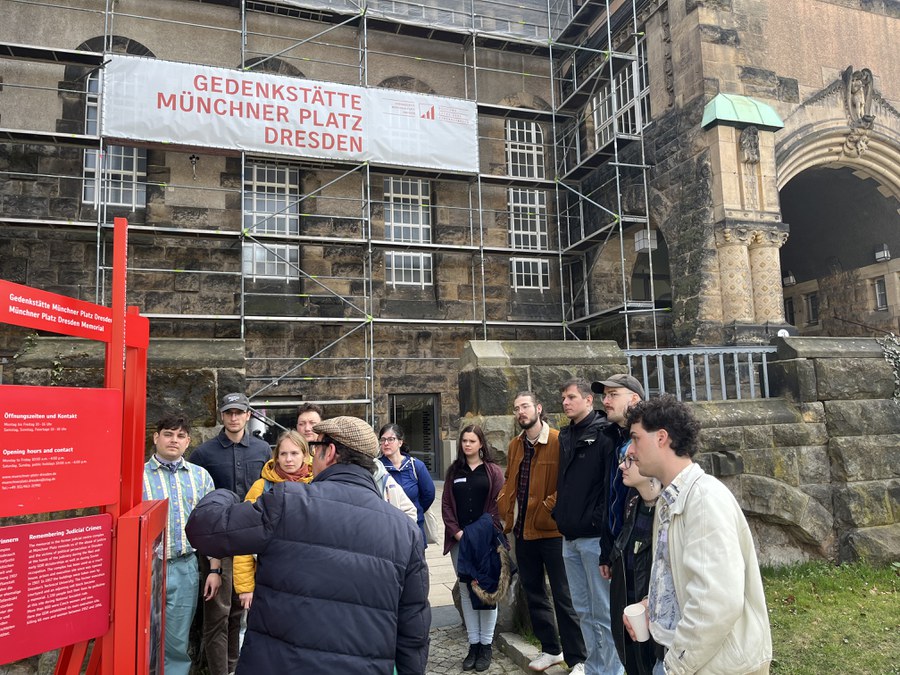
V neděli seminář začal cvičením na posílení odolnosti. Studenti poté pracovali v malých skupinách na svých nápadech na projekty ve školách, které později prezentovali a diskutovali. Seminář nabídl intenzivní výměnu názorů na aktuální politické výzvy a také platformu pro vytváření sítí a rozvoj společných projektů. Těšíme se na pokračování semináře a na naše nové přátele v dubnu v Ústí nad Labem.
Kick-Off 04.03.2025
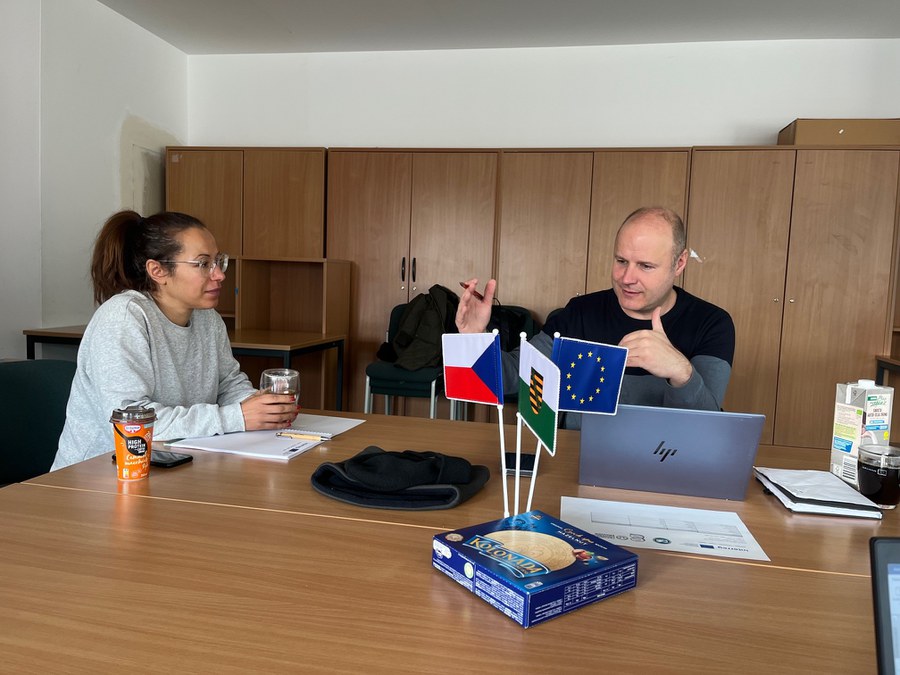
Am 04. März haben wir uns zu unserem Projekt Kick-Off an der TU Dresden getroffen. Neben organisatorischen Absprachen haben wir mit der intensiven inhaltlichen Planung des ersten Universitätsworkshops begonnen, der vom 04. April bis zum 06. April an der TU Dresden stattfinden wird.
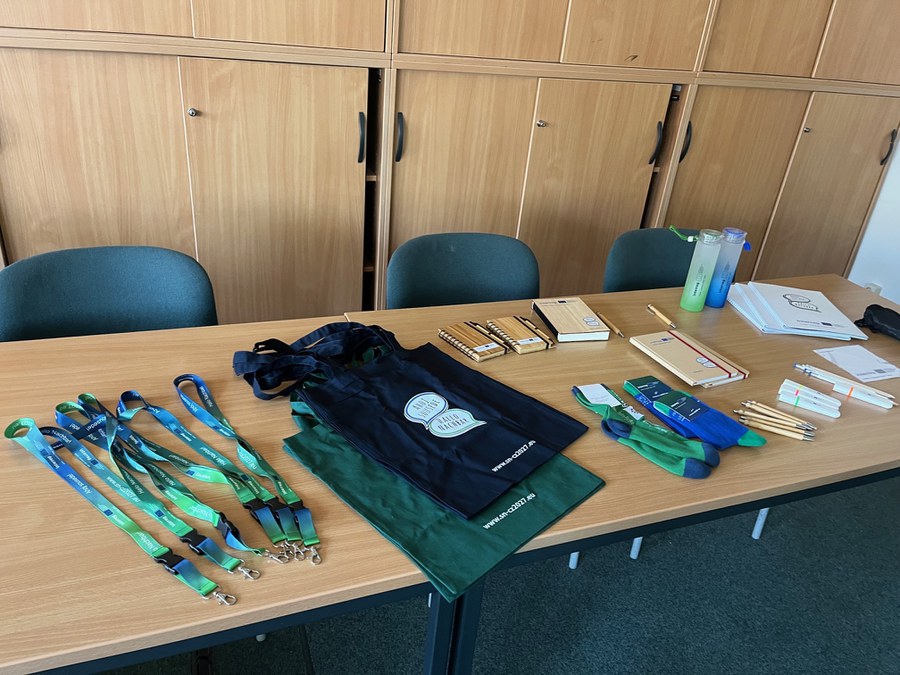
Dne 4. března jsme se sešli na zahájení projektu na Technické univerzitě v Drážďanech. Kromě organizačních příprav jsme začali intenzivně plánovat obsah prvního univerzitního workshopu, který se bude konat na TU Dresden od 4. do 6. dubna.