
TEACHING DIGITAL MEDIA LITERACY IN TIMES OF SOCIETAL CHANGE IN UKRAINE
Table of contents
About the Project
Teaching Digital Media Literacy in Times of Societal Change in Ukraine
Granting authority: European Education and Culture Executive Agency
Funding Program: ERASMUS-EDU-2025-CBHE-STRAND-2
Duration: 01.01.2026 – 31.12.2028
The project TeDiMeLi addresses Ukraine’s urgent need to strengthen digital media literacy as a pillar of information security and societal resilience against disinformation amid ongoing military aggression. The project establishes Digital Media Literacy Centres (DMLCs) at four Ukrainian partner universities — Cherkasy State Technological University (ChSTU, Central Ukraine), Kharkiv National Automobile and Highway University (KhNAHU, East Ukraine), Chernihiv Polytechnic National University (CPNU, North Ukraine), and Drohobych Ivan Franko State Pedagogical University (DSPU, West Ukraine). The project’s long-term impact extends beyond academia by reinforcing critical thinking, democratic values, and social cohesion. By embedding digital media literacy in formal education curricula and public outreach, project TeDiMeLi supports Ukraine’s sustainable development, resilience against information warfare, and post-war recovery. [Read more]
Project Partners
The consortium of the project TeDiMeLi comprises two European and four Ukrainian universities, all of which have established effective collaborations through longstanding academic partnerships and numerous joint projects in various configurations. In this consortium, the European universities primarily facilitate the transfer of specialized expertise in digital media literacy and contribute their extensive experience in successfully implementing international projects. [Read more]
Digital Media Literacy Centres
Within the project, Digital Media Literacy Centres (DMLCs) will be established at four Ukrainian universities: Cherkasy State Technological University (ChSTU), Kharkiv National Automobile and Highway University (KhNAHU), Chernihiv Polytechnic National University (CPNU), and Drohobych Ivan Franko State Pedagogical University (DSPU). These universities recognize their role not only as educational institutions responding to the needs of modern labour markets, but also as cultural and technological hubs in their regions. They aim to strengthen their capacity to generate and share knowledge, support societal development, and respond to the growing demand for digital media literacy. The Digital Media Literacy Centres will serve students and educators while also reaching out to the wider community in their regions and promoting the use of modern digital technologies in education and society. They will also help bridge social and generational gaps by engaging vulnerable and underrepresented groups and strengthening essential digital competencies across all levels of society.
More detailed information about the Digital Media Literacy Centres will be provided soon.
Project Publications
The project TeDiMeLi will actively contribute to the development and dissemination of knowledge on digital media literacy through a wide range of open-access publications and academic outputs. The project will produce Didactical Manuals for digital media literacy courses, Special Issue in a high-ranking Ukrainian academic journal, and Omnibus Volumes.
More detailed information on publications and dissemination activities will be provided soon.
Activities & Events
Past Events
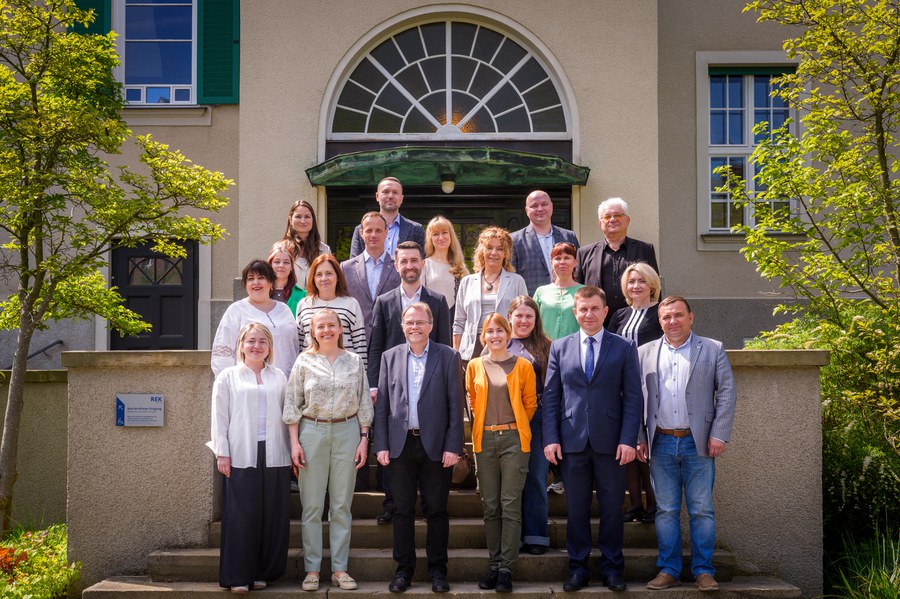
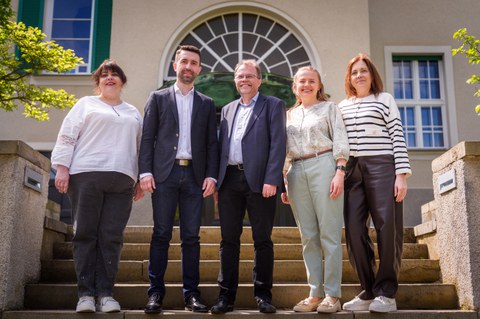
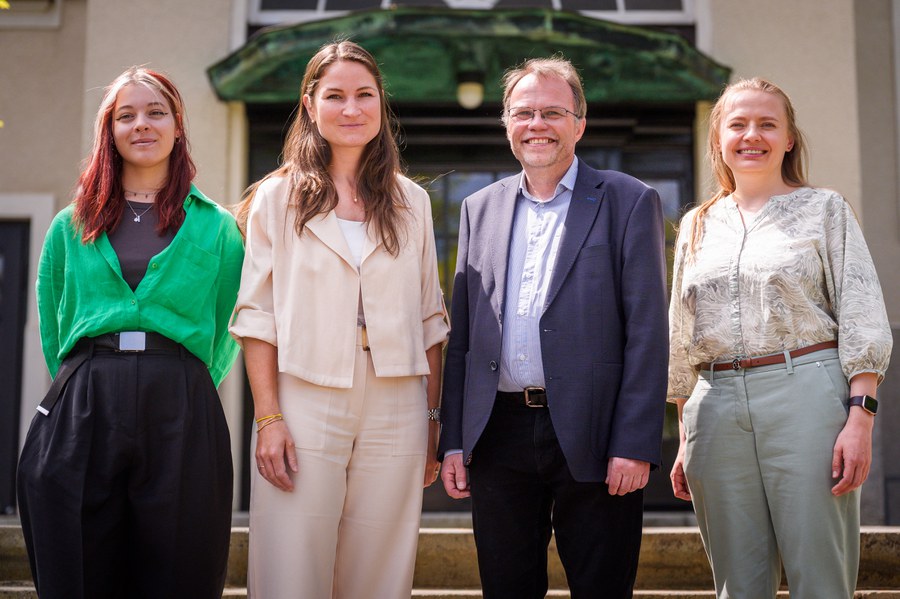
Kick-off Meeting, Dresden, 4–8 May 2026
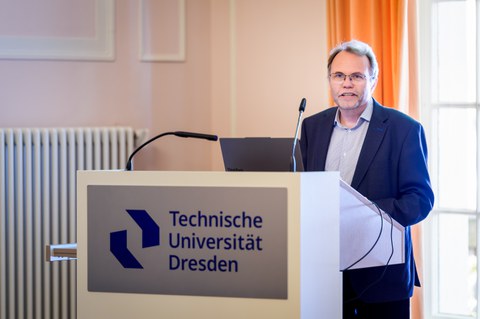
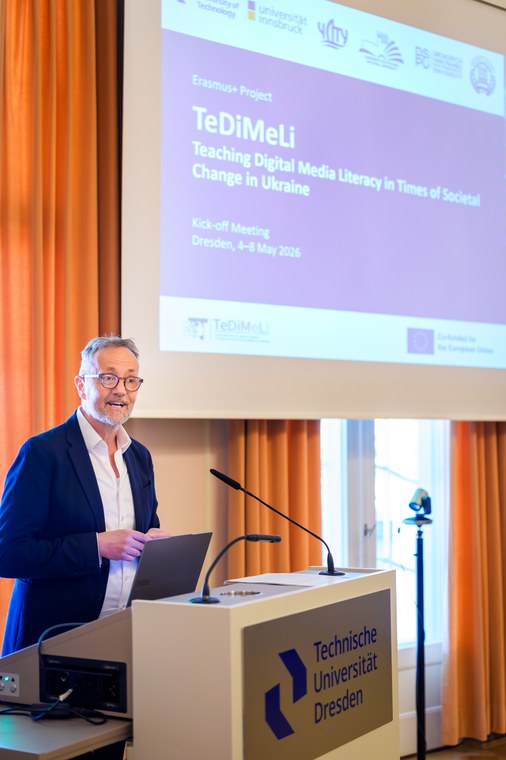
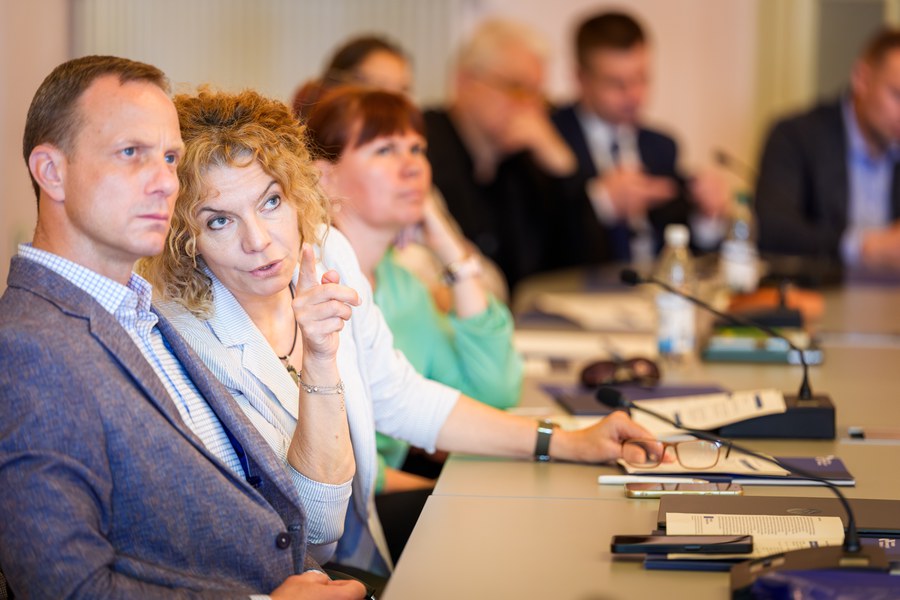
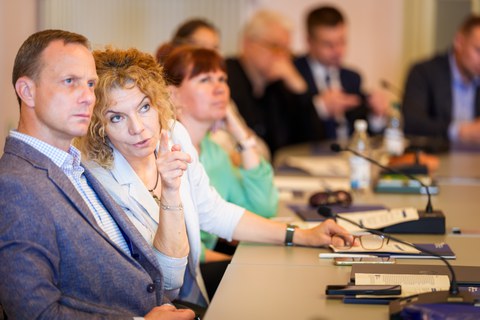
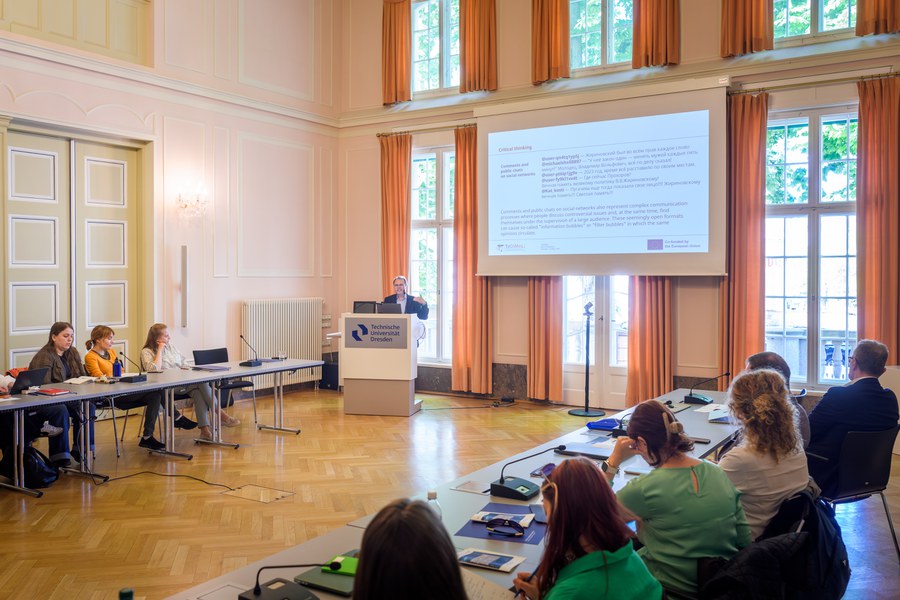
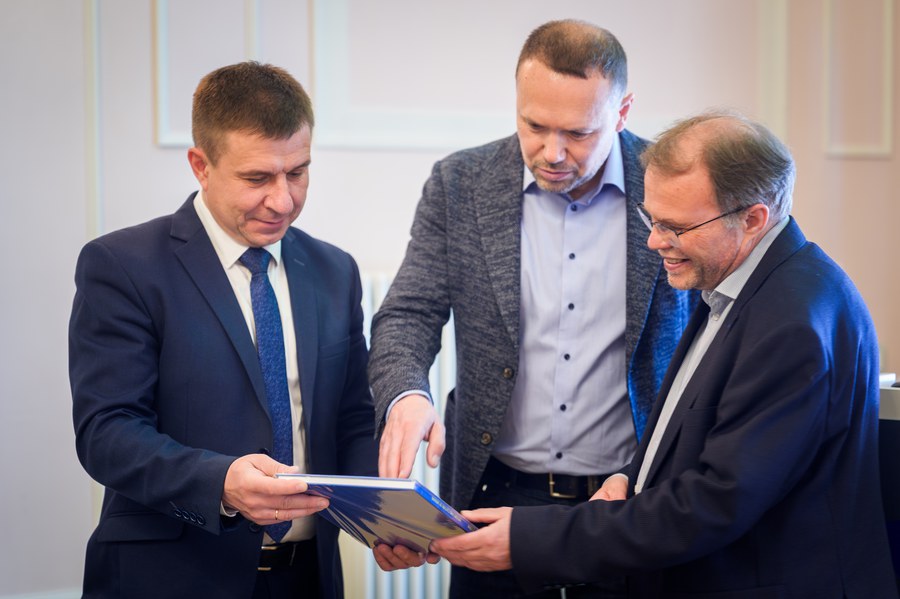
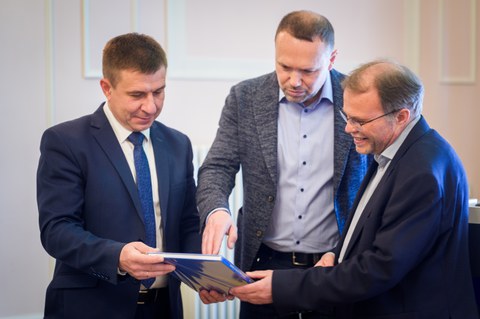
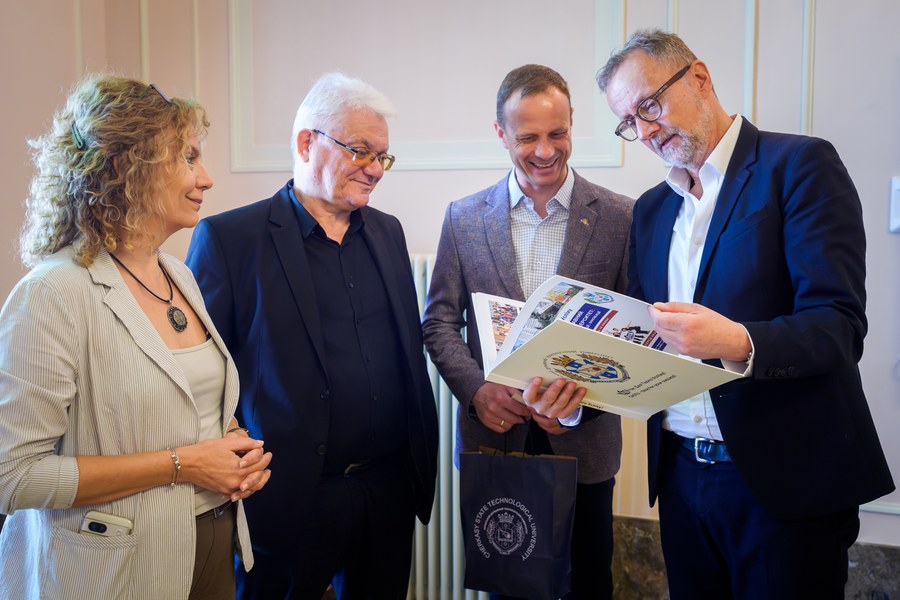
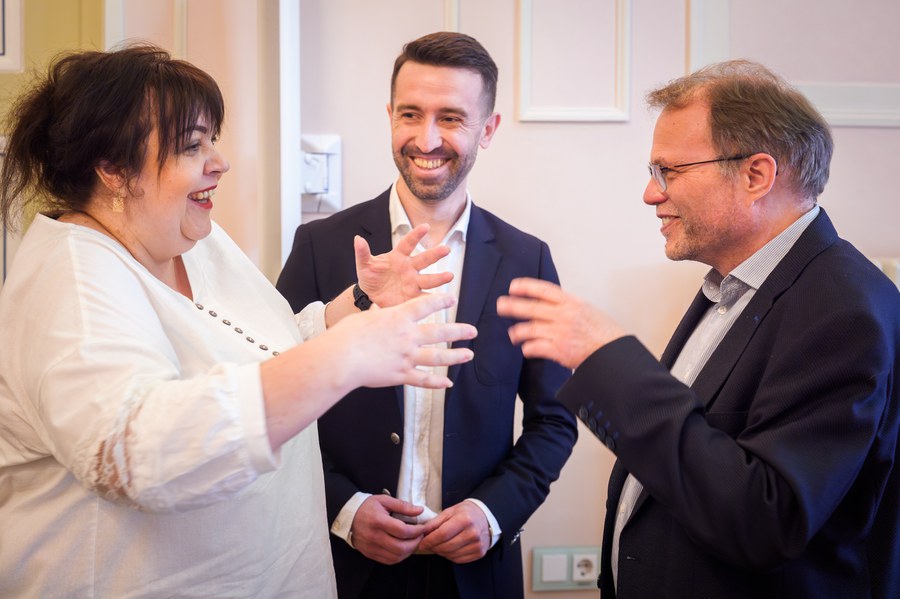
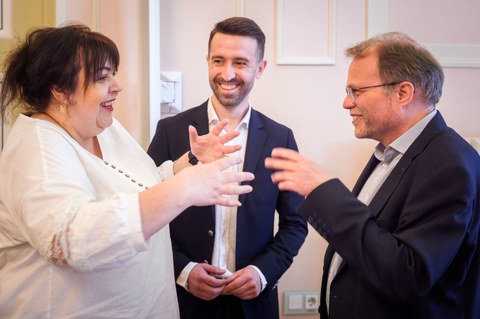
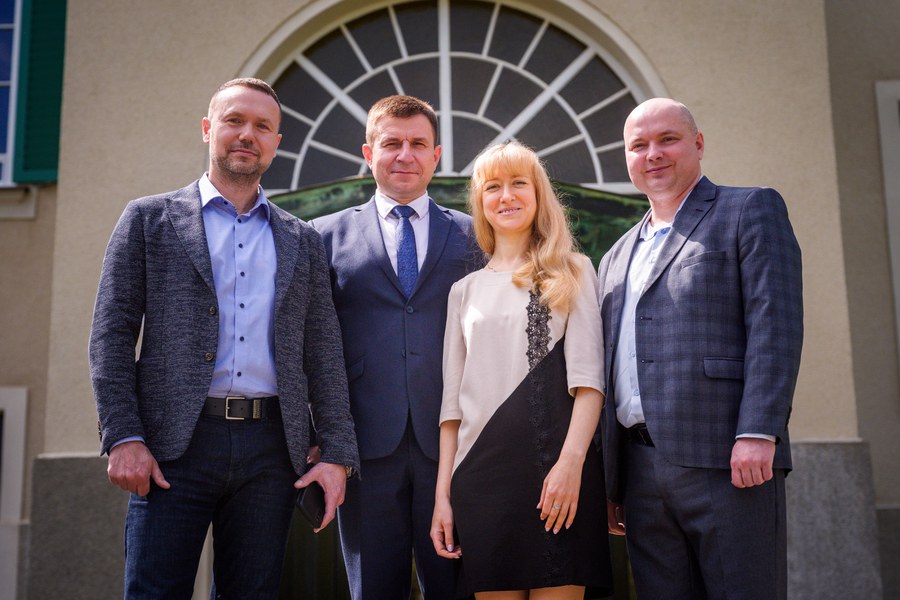
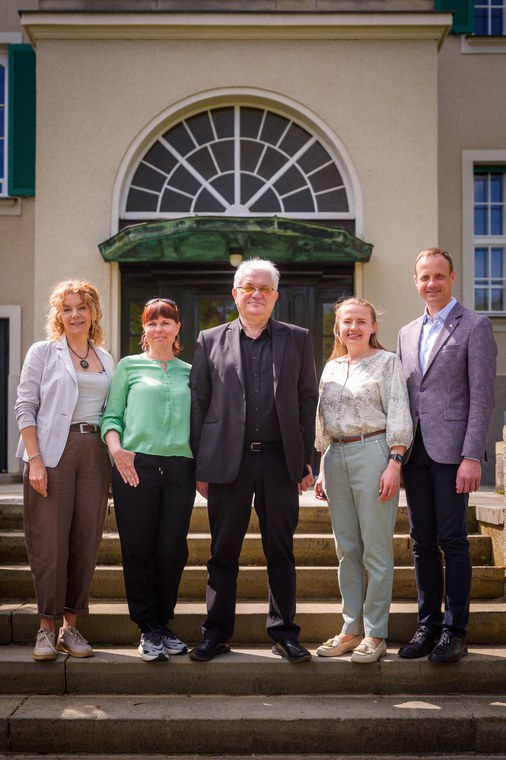
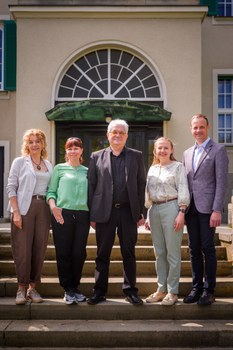
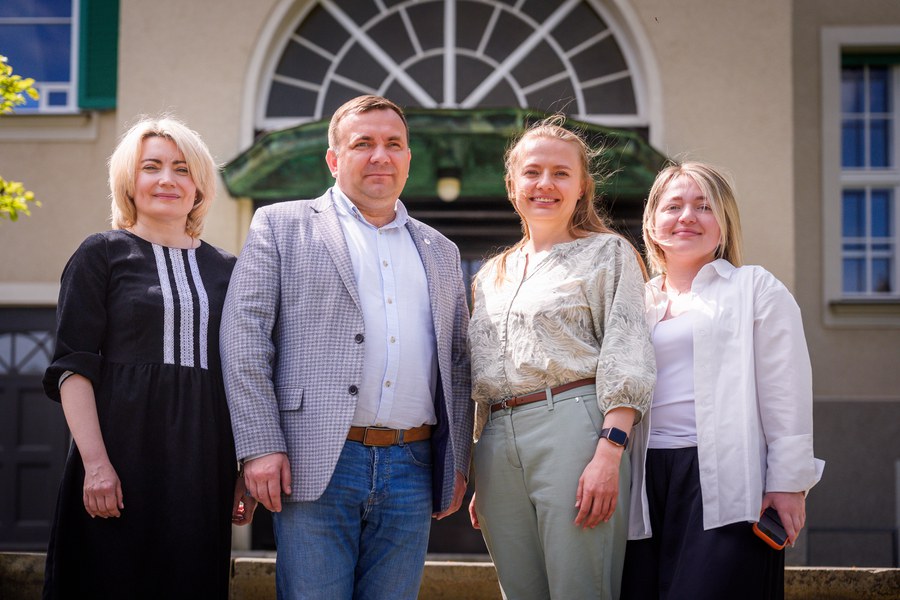
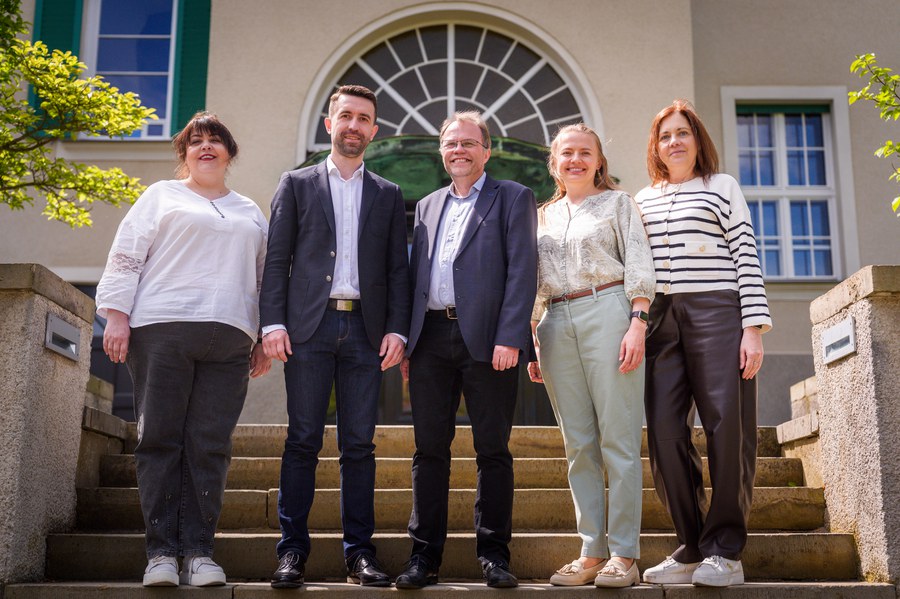
The kick-off meeting of the project TeDiMeLi took place in Dresden from 4 to 8 May 2026 and brought together all consortium partners to officially launch the project and coordinate its initial implementation steps. The meeting opened with welcome addresses of and a keynote lecture on digital media literacy in times of societal change, followed by a reception and networking lunch. On the first day, participants also received a detailed overview of the project structure, work packages, and implementation procedures. The second day focused on planning professional development activities, including micro-credential courses for Ukrainian academic staff and IT personnel, as well as a Winter School hosted by the University of Innsbruck. Participants also took part in informal networking activities, including a guided tour of Dresden’s old town. The third day addressed key administrative and strategic aspects of the project, including legal and financial management, communication strategy, and the development of storytelling and dissemination approaches. Working groups were established, and responsibilities were assigned to ensure effective coordination throughout the project. On the final working day, partners focused on the design of digital media literacy courses for students, educators, and the broader public in Ukraine, followed by consultations with the project coordinators. The meeting concluded with a consortium dinner and a final wrap-up session summarizing key outcomes and next steps.
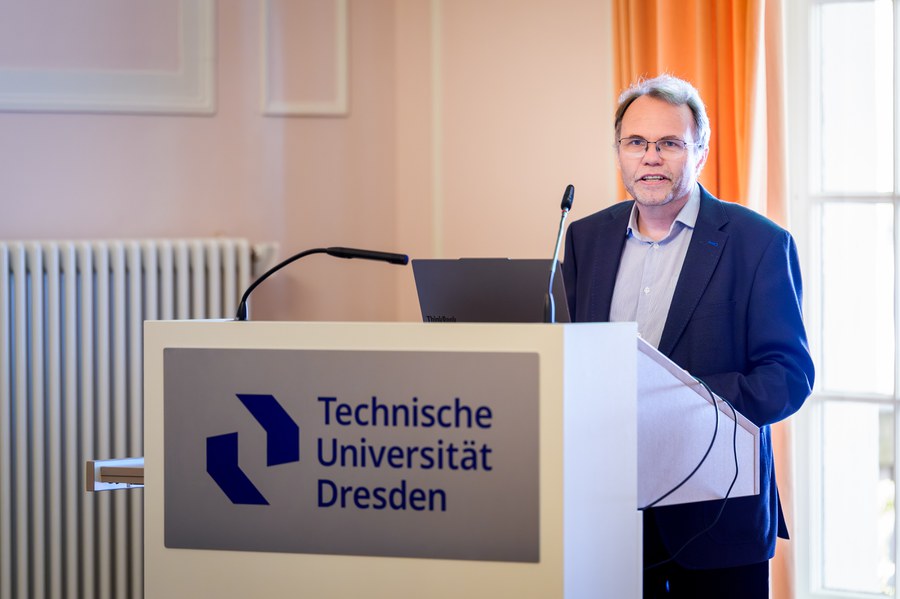
© André Wirsig
© André Wirsig
© André Wirsig
© André Wirsig
© André Wirsig
© André Wirsig
© André Wirsig
© André Wirsig
© André Wirsig
© André Wirsig
© André Wirsig
© André Wirsig


© André Wirsig
Upcoming Events

Professional development for Ukrainian project staff at the TUD
The professional development programme for the Ukrainian project staff at TUD provides advanced training in the field of digital media literacy. Through a combination of on-site workshops and online learning, participants will work closely with TUD experts to develop innovative teaching and learning approaches. The programme focuses on the development of high-quality teaching materials, the design of practice-oriented course formats, and the creation of appropriate assessment and evaluation methods.

Workshop for Ukrainian IT-staff at the TUD
As part of the workshop for the Ukrainian IT project staff at TUD, participants will jointly develop a shared concept and the technical architecture of a Digital Educational Platform to be implemented at all four Digital Media Literacy Centres established at the Ukrainian partner universities. The workshop aims to strengthen the technical competencies of the participating IT specialists while creating a robust digital infrastructure to support the project's innovative teaching and learning activities.

Professional development for Ukrainian project staff at the UIBK
The professional development programme at the University of Innsbruck focuses on the further development of high-quality teaching and learning materials and their evidence-based quality assurance. Throughout the programme, the University of Innsbruck's approaches to media education will be combined with interdisciplinary perspectives from media and communication studies. Particular emphasis will be placed on the presentation of evaluation criteria and quality standards, as well as on the discussion of practical case studies illustrating quality assurance in educational programmes.
Contact
|
Prof. Dr. Holger Kuße |
Marianna Schulz |
Co-funded by the European Union. Views and opinions expressed are however those of the author(s) only and do not necessarily reflect those of the European Union or the European Education and Culture Executive Agency (EACEA). Neither the European Union nor EACEA can be held responsible for them.
