
Transformation of circular weaving technology through the use of a superconducting weft insertion system
June 2025
The “SupraWeave” project is dedicated to fundamentally transforming circular weaving technology through the use of a superconducting weft insertion system. The goal is to use delicate, high-performance fibers—such as glass and carbon fibers, which until now could only be processed on flatbed looms—in circular looms. These fibers are indispensable in industries such as aerospace, automotive, and energy technology, but their fragility and the high mechanical stresses of conventional circular weaving processes have so far posed an insurmountable hurdle.
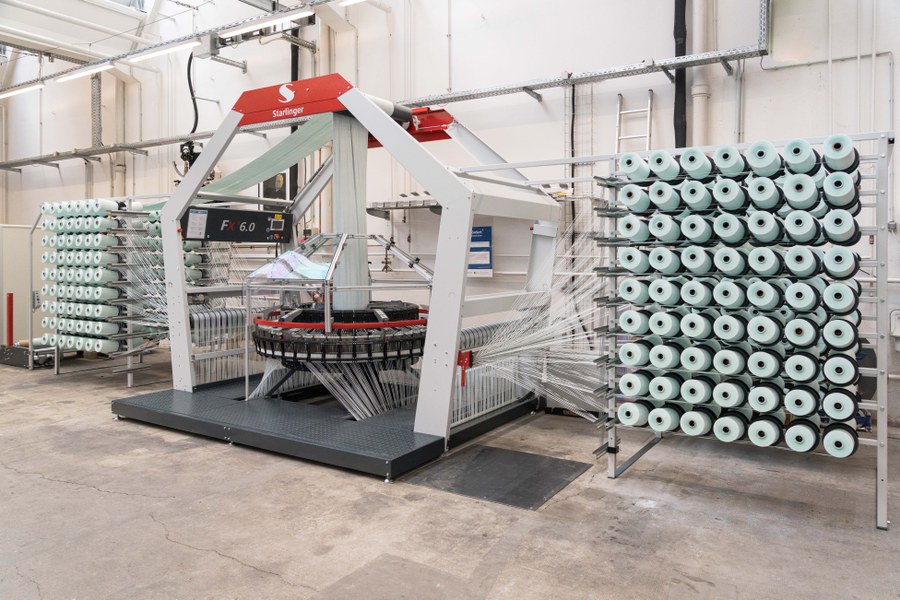
The project’s innovation is based on the use of superconducting magnetic bearings. These enable frictionless, precise guidance of a levitating shuttle, which revolutionizes weft insertion in an entirely new way. This technological innovation is complemented by low-damage guidance of the warp and weft yarns, enabling a level of material protection that has never been achieved before. These approaches make it possible to produce circular fabrics with optimal structure and quality that meet the high demands of technical applications.
A key aspect of the project is the development and integration of all components into a demonstration system that replicates the entire process. A holistic development approach is being pursued, ranging from the modeling of the magnetic bearings and yarn guidance to the adjustment of the fabric take-off, and on to the production and characterization of the end products. Particular emphasis is placed on validating the developed models and algorithms to ensure the high reliability and efficiency of the new technology.
“SupraWeave” not only closes a technological gap but also lays the foundation for tapping into new markets. This innovation has the potential to bring about lasting change in the production of composite materials and technical textiles for future-oriented applications. The project’s results will enable Saxony’s textile and mechanical engineering industries to maintain their position as technology leaders in the global marketplace, tap into new market segments, and make industrial manufacturing more sustainable and efficient.
June 2026
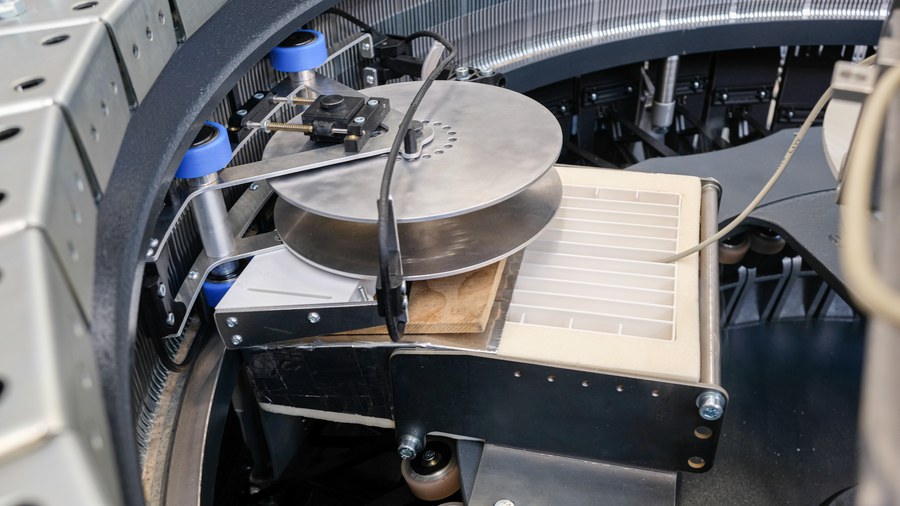
As part of the SAB project SupraWeave, a weft feeder for a Starlinger circular loom is being developed in collaboration with the Dresden-based company evico GmbH; this weft feeder floats through the shed without contact using a superconducting magnetic bearing.
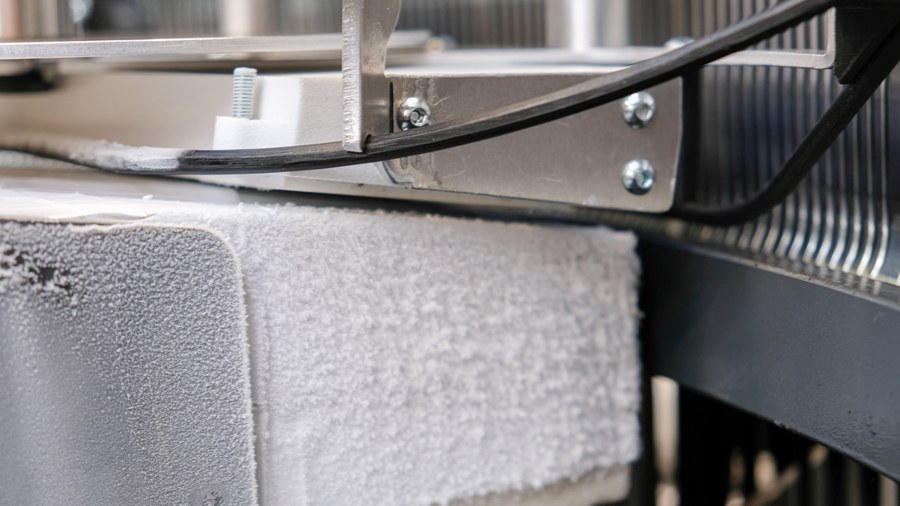
Initial tests using preliminary LN2 cooling are showing very promising results. The goal is the gentle processing of glass and carbon fiber yarns into circular fabrics.