
AG Röder: Medizinische Systembiologie und Biometrie
Die Forschungsfelder der Arbeitsgruppe umfassen Themen aus den Bereichen Systembiologie - Systemmedizin - mathematische Modellierung, Biometrie - medizinische Statistik, sowie Datenintegration und Studienplanung. Eine wichtige Motivation der wissenschaftlichen Tätigkeit ist der Anspruch, Grundlagenforschung und klinische Anwendung eng miteinander zu verknüpfen. Dies führt zu einem hohen Grad an Interdisziplinarität, der sich in den verschiedenen Forschungsfeldern der Arbeitsgruppe widerspiegelt. Das übergreifende Thema der wissenschaftlichen Tätigkeiten der Arbeitsgruppe ist die Nutzung theoretischer Methoden und mathematischer Modellierungsansätze im Rahmen einer optimierten Planung und Auswertung experimenteller und klinischer Studien ("model-basierte medizinische Forschung").
Forschungsschwerpunkte
Systembiologie, Systemmedizin, mathematische Modellierung
Dieser Forschungsschwerpunkt beschäftigt sich mit der Entwicklung und Anwendung mathematischer Modelle für verschiedene Bereiche der Lebenswissenschaften. Neben grundlagenbiologischen Anwendungsfeldern (z.B. Klonale Kompetition auf der Ebene von Stammzellen, Stammzell-Nischen Interaktionen, Zellmigration) stehen auch Themen mit einem unmittelbaren medizinisch/klinischen Bezug (z.B. Krankheits- und Therapiemodelle für verschiedene Leukämien und andere Tumorerkrankungen) im Fokus dieses Forschungsschwerpunktes. Unser Ziel ist es, durch analytische Betrachtungen und/oder Computersimulation (u.a. "digital twins"), Mechanismen, welche dynamischen physiologischen und pathophysiologischen Prozessen zugrunde liegen, besser zu verstehen, vorherzusagen und damit die klinische Entscheidung-Unterstützung zu unterstützen.
Medizinische Biometrie und Bioinformatik
Im Mittelpunkt dieses Schwerpunktes steht die Entwicklung und Anwendung von innovativen Methoden zur Datenanalyse, inklusive der Bereiche experimentelles Design und Studienplanung. Neben Methoden der „klassischen“ Biometrie / Statistik beschäftigen wir uns auch mit verschiedenen Verfahren des Maschinellen Lernens und der Bioinformatik, wie z.B. der integrativen Analyse molekularer Hochdurchsatzdaten und der Analyse von Bilddaten.
Der wissenschaftliche Fokus wird ergänzt durch Dienstleistungen, welche im Rahmen von Projekt-Beratungen und Weiterbildungsangeboten in den Bereichen Biometrie und Bioinformatik angeboten werden.
Weitere Themenfelder
Moderne diagnostische Verfahren und/oder Messmethoden liefern immer umfangreichere Daten (z.B. individuelle genomische Profile, multimodale Bilddaten, etc.). Um die darin enthaltenen Informationen für eine effizientere Diagnostik und/oder zur Entwicklung verbesserter therapeutischer Verfahren nutzbar zu machen, bedarf es einer Vielzahl von Schritten. Neben der Datensicherheit, stehen hierbei auch Fragen der effizienten Datenspeicherung, der Datenverarbeitung und der Integration verschiedener Datentypen im Zentrum derzeitiger Forschungsaktivitäten. In unserer Arbeitsgruppe beschäftigen wir uns speziell mit der Konzeption von Entscheidungsunterstützungssystemen. Ziel unserer Arbeiten ist es Anwender:innen dabei zu unterstützen, quantitative Informationen aus (klinischen) Studien zu extrahieren, gezielt und effizient zu analysieren und die daraus gewonnenen Erkenntnisse wieder in neuen (klinischen) Studien zu prüfen oder die Erkentnisse im Kontext medizinischer/klinischer Entscheidungsfindung zu nutzten.
Darüber hinaus beschäftigt sich die Arbeitsgruppe auch mit dem Einsatz moderner Medien im Bereich der Lehre, speziell in der methodischen Ausbildung (z.B. im Fach medizinischen Biometrie). Resultate dieser Arbeiten sind u.a. auf der Projekt-Web-Seite virTUos, wie auch im Bereich Medienpool zu finden.
Projekte
laufende Projekte:
- Mathemetische Modellierung der Chronischen Myeloischen Leukämie (CML)
- Mathematische Modellierung der Organisation hämatoetioscher Stammzellen
- Mathematische Modellierung zeitlich-räumlicher Trajektorien
- Statistische Modellierung und biometrische Methoden
- BayesPriorSim — Simulationsstudie zur Sensitivität von A-priori-Annahmen bei der bayes'schen Schätzung von Varianzkomponenten und Heritabilität für hierarchische Designs hinsichtlich Zuchtversuche
- Iterative Skalierungsmethoden für log-lineare Modelle auf Basis gekrümmter Exponentialfamilien
- Spezifische Betrachtung von Verzögerungen in parametrischen Überlebenszeitmodellen
-
Weitere Projekte
-
DMA/NCT — Verschiedene Projekte in den Bereichen Datenintegration, bioinformatische Datenanalyse und Modell-bsiertes Design klinischer Studieninnerhalb der Core Unit für Daten Management und Analyse (NCT/DKFZ)
-
trialGPT - ein Assistenzsystem für das Design klinischer Studien
-
abgeschlossene Projekte (Auswahl):
- Analyse von Zellmigrationsmustern im Zebrafish-Embryo (TU Dresden, Haushalt)
- CHOICE — Characterization of the osteo-hematopoietic niche during malignant evolution (DKTK)
- Control-T — Mathematische Modellierung von Homeostase und Onkogenese in reifen T-Zellen (DFG, Forschergruppe FOR1961)
- Entwicklung und Produktion einer online-Vorlesung im Bereich Medizinischen Biometrie in Kooperation mit dem Medienzentrum der TUD (e-Lecture 2.0) (Medizinischen Fakultät der TUD, MedDrive-Lehre)
- ERANET-PLL — Analyse (epi)genetischer und metabolischer Netzwerke im Rahmen der Diagnose und Beandlung der T-Zell prolymphocytischen Leukämie (BMBF, EU - Era-Net / TRANSCAN-2)
- HaematoOPT — Modell-basierte Optimierung und Individualisierung von Behandlungsstrategien in der Hämatologie (BMBF, e:Med Demonstratoren)
- Mathematische Modellierung von Stammzell-Nischen-Interaktionen (TU Dresden)
- Machine Learning-basierte Tumourklassifkation anhand von Massenspektrometrie-Daten (TU Dresden, NCT)
- Modellierung von Antibiotika-/Antiinfektiva-Resistenzen (ABR/AIR)
- Modellierung der Gesamtkrankheitslast bei Erkältungserkrankungen
- MEDiC —Modellstudiengang Medizin (Bund, Freistaat Sachsen)
- Netzwerk-basierte Identifikation von Kandidatengeen im Oligodendrogliom (TU Dresden, NCT)
-
prediCt — Mathematische Modellierung von TKI-Effekten und Immunantworten zur Vorhersage patientenspezifischer Behandlungsdynamiken in der CML (BMBF, EU - ERACoSysMed)
-
Statistische Modelierung früher Engraftment-Kinetiken nach Stammzelltransplantation in der AML (TU Dresden)
- SyTASC — Systembasierte Therapie von AML-Stammzellen (Deutsche Krebshilfe e.V.)
- virTUos - virtuelles Lehren und Lernen an der TU Dresden im Open Source-Kontext
Arbeitsgruppenleiter
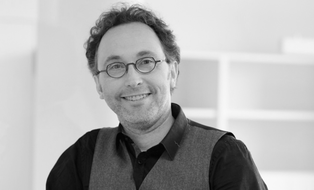 © P.Benjamin/NCTDD
Gruppenleiter
NameHerr Prof. Dr. rer. med. Ingo Röder
Institutsdirektor
Eine verschlüsselte E-Mail über das SecureMail-Portal versenden (nur für TUD-externe Personen).
Mitglieder der Arbeitsgruppe
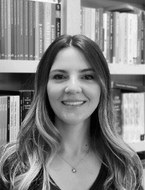 © Ebru Kaya Başar
Gastwissenschaftlerin
NameFrau Dr. Ebru Kaya Başar
Akdeniz Üniversitesi Kampusü
Eine verschlüsselte E-Mail über das SecureMail-Portal versenden (nur für TUD-externe Personen).
 © Sebastian Gerdes
wissenschaftlicher Mitarbeiter
NameHerr Dr. med. Sebastian Gerdes
Eine verschlüsselte E-Mail über das SecureMail-Portal versenden (nur für TUD-externe Personen).
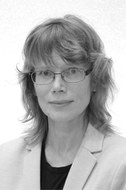 © Anna Klimova
wissenschaftliche Mitarbeiterin (extern: NCT)
NameFrau Dr. Anna Klimova
Eine verschlüsselte E-Mail über das SecureMail-Portal versenden (nur für TUD-externe Personen).
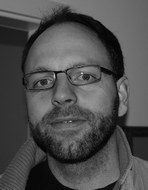 © Matthias Kuhn
wissenschaftlicher Mitarbeiter
NameHerr Matthias Kuhn M.Sc.
Eine verschlüsselte E-Mail über das SecureMail-Portal versenden (nur für TUD-externe Personen).
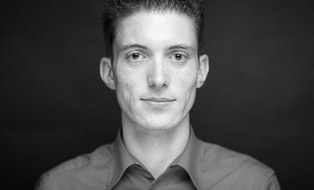 © Nils Eisfeld
wissenschaftlicher Mitarbeiter
NameHerr Dr. rer. nat. René Mauer
Eine verschlüsselte E-Mail über das SecureMail-Portal versenden (nur für TUD-externe Personen).
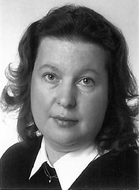 © Gabriele Müller
wissenschaftliche Mitarbeiterin
NameFrau Dipl.-Ing. Gabriele Müller
ZEGV/IMB
Eine verschlüsselte E-Mail über das SecureMail-Portal versenden (nur für TUD-externe Personen).
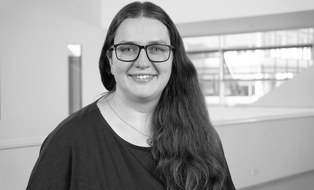 © UKD/Michael Kretzschmar
Anwendungsprogrammiererin & Webentwicklerin
NameFrau Anne Pelz M.Sc.
Eine verschlüsselte E-Mail über das SecureMail-Portal versenden (nur für TUD-externe Personen).
 © Konrad Schubert
wissenschaftlicher Mitarbeiter
NameHerr Dipl.-Math. Konrad Schubert
Eine verschlüsselte E-Mail über das SecureMail-Portal versenden (nur für TUD-externe Personen).
Systemadministration & Datenmanagement
NameHerr Dipl.-Inf. (FH) Silvio Schuster
Eine verschlüsselte E-Mail über das SecureMail-Portal versenden (nur für TUD-externe Personen).
 © Thomas Zerjatke
wissenschaftlicher Mitarbeiter
NameHerr Dipl.-Biomath. Thomas Zerjatke
Eine verschlüsselte E-Mail über das SecureMail-Portal versenden (nur für TUD-externe Personen).
Studierende (Medizin-Doktoranden, SHK, WHK)
Promotionsstudent Dr. med., wissenschaftliche Hilfskraft
NameHerr Jonas Breidenstein
Eine verschlüsselte E-Mail über das SecureMail-Portal versenden (nur für TUD-externe Personen).
 © Leonhard Schwager
Promotionsstudent Dr. med.
NameHerr Leonhard Schwager
Eine verschlüsselte E-Mail über das SecureMail-Portal versenden (nur für TUD-externe Personen).
 © Sebastian Seurig
Promotionsstudent Dr. med.
NameHerr Sebastian Seurig
Eine verschlüsselte E-Mail über das SecureMail-Portal versenden (nur für TUD-externe Personen).
 © Karla Stephan
Promotionsstudentin Dr. med.
NameFrau Karla Stephan
Eine verschlüsselte E-Mail über das SecureMail-Portal versenden (nur für TUD-externe Personen).
ausgeschiedene Mitarbeitende
 © Hans Diebner
wissenschaftlicher Mitarbeiter
NameHerr Dr. rer. nat. Hans Diebner
Eine verschlüsselte E-Mail über das SecureMail-Portal versenden (nur für TUD-externe Personen).
 © Walter de Back
wissenschaftlicher Mitarbeiter
NameHerr Dr. Walter de Back
Eine verschlüsselte E-Mail über das SecureMail-Portal versenden (nur für TUD-externe Personen).
ERASMUS Studentin
NameFrau Erika Gaspari B.Sc.
Eine verschlüsselte E-Mail über das SecureMail-Portal versenden (nur für TUD-externe Personen).
 © Max Griehl
Studentische Hilfskraft
NameHerr Max Griehl
Eine verschlüsselte E-Mail über das SecureMail-Portal versenden (nur für TUD-externe Personen).
 © Adam Heidenreich
wissenschaftlicher Mitarbeiter (extern: Fakultät Informatik)
NameHerr Adam Heidenreich M.Sc.
Eine verschlüsselte E-Mail über das SecureMail-Portal versenden (nur für TUD-externe Personen).
 © Maria Herberg
Promotionsstudentin
NameFrau Dr. rer. med. Maria Herberg
Eine verschlüsselte E-Mail über das SecureMail-Portal versenden (nur für TUD-externe Personen).
 © Helene Hoffmann
Promotionsstudentin
NameFrau Helene Hoffmann M.Sc.
Eine verschlüsselte E-Mail über das SecureMail-Portal versenden (nur für TUD-externe Personen).
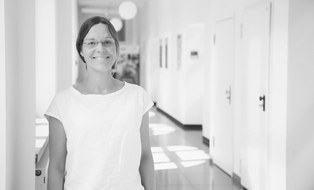 © MF/Stephan Wiegand
wissenschaftliche Mitarbeiterin
NameFrau Dipl.-Ing. (FH) Katja Hoffmann
Eine verschlüsselte E-Mail über das SecureMail-Portal versenden (nur für TUD-externe Personen).
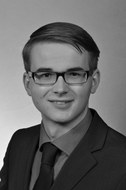 © Hendrik Liebscher
Promotionsstudent Dr. med.
NameHerr Hendrik Liebscher
Eine verschlüsselte E-Mail über das SecureMail-Portal versenden (nur für TUD-externe Personen).
wissenschaftlicher Mitarbeiter
NameHerr Dr. rer. nat. Nathan Mikhaylenko
Eine verschlüsselte E-Mail über das SecureMail-Portal versenden (nur für TUD-externe Personen).
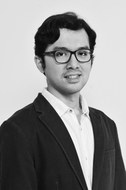 © Osman Abhimata Nugraha
wissenschaftlicher Mitarbeiter
NameHerr Osman Abhimata Nugraha M.Sc.
Eine verschlüsselte E-Mail über das SecureMail-Portal versenden (nur für TUD-externe Personen).
Promotionsstudent
NameHerr Adrian Ortiz Cervantes M.Sc.
Eine verschlüsselte E-Mail über das SecureMail-Portal versenden (nur für TUD-externe Personen).
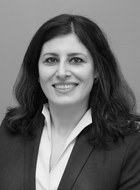 © Pirasteh Pahlavan
wissenschaftliche Mitarbeiterin (extern: NCT)
NameFrau Dr. rer. nat. Pirasteh Pahlavan
Eine verschlüsselte E-Mail über das SecureMail-Portal versenden (nur für TUD-externe Personen).
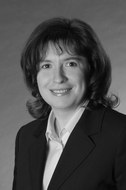 © Mihaela Pricop-Jeckstadt
wissenschaftliche Mitarbeiterin
NameFrau Dr. rer. nat. Mihaela Pricop-Jeckstadt
Eine verschlüsselte E-Mail über das SecureMail-Portal versenden (nur für TUD-externe Personen).
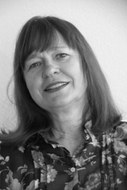 © Ursula Range
wissenschaftliche Mitarbeiterin
NameFrau Dipl.-Math. Ursula Range
Eine verschlüsselte E-Mail über das SecureMail-Portal versenden (nur für TUD-externe Personen).
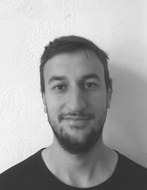 © Michael Rank
wissenschaftlicher Mitarbeiter
NameHerr Michael Rank M.Sc.
Eine verschlüsselte E-Mail über das SecureMail-Portal versenden (nur für TUD-externe Personen).
 © Thoralf Stange
wissenschaftlicher Mitarbeiter (NCT)
NameHerr Dipl.-Inf. Thoralf Stange
Eine verschlüsselte E-Mail über das SecureMail-Portal versenden (nur für TUD-externe Personen).
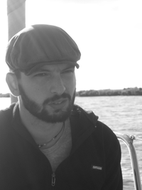 © Konstantin Thierbach
Promotionsstudent
NameHerr Dipl.-Inf. Konstantin Thierbach
Eine verschlüsselte E-Mail über das SecureMail-Portal versenden (nur für TUD-externe Personen).
 © Friedemann Uschner
wissenschaftlicher Mitarbeiter
NameHerr Dr. rer. nat. Friedemann Uschner
Eine verschlüsselte E-Mail über das SecureMail-Portal versenden (nur für TUD-externe Personen).
 © Anke Weber
wissenschaftliche Mitarbeiterin
NameFrau Dr. med. Anke Weber
Eine verschlüsselte E-Mail über das SecureMail-Portal versenden (nur für TUD-externe Personen).
Publikationen der Arbeitsgruppe
2026
-
Occupational differences in sickness presenteeism in the baseline survey of the German National Cohort (NAKO), 25 Sept. 2026, in: Journal of Occupational Medicine and Toxicology. 21, 1, 31Elektronische (Volltext-)VersionPublikation: Beitrag in Fachzeitschrift > Forschungsartikel
-
NOX4 signatures in human abdominal aortic aneurysm reveal links to vascular cell plasticity, extracellular matrix remodeling and inflammation, Sept. 2026, in: Free radical biology & medicine. 253, S. 320-333, 14 S.Elektronische (Volltext-)VersionPublikation: Beitrag in Fachzeitschrift > Forschungsartikel
-
Chemotherapy for patients with circulating tumour DNA-positive, stage II colon cancer (CIRCULATE)—an AIO/ABCSG trial, Aug. 2026, in: Annals of oncology. 37, 8, S. 1120-1132, 13 S.Elektronische (Volltext-)VersionPublikation: Beitrag in Fachzeitschrift > Forschungsartikel
-
Machbarkeitsstudie über die Durchführung einer epidemiologischen Studie zur Ermittlung der Dosis‐Wirkungs‐Beziehung zwischen natürlicher UV-Exposition und Hautkrebs, 30 Juli 2026, Bundesamtes für Strahlenschutz, in: Ressortforschungsberichte zur kerntechnischen Sicherheit und zum StrahlenschutzElektronische (Volltext-)VersionPublikation: Spezielle Publikationen/Beiträge > Artikel/Beitrag in einer Sonderausgabe/-heft
-
Therapeutic Drug Monitoring of Imatinib in Paediatric Chronic Myeloid Leukaemia: Towards Practical Implementation and Interpretation of Measured Plasma Concentrations, Juli 2026, in: Clinical pharmacokinetics. 65, 7, S. 1013–1026, 14 S.Elektronische (Volltext-)VersionPublikation: Beitrag in Fachzeitschrift > Forschungsartikel
-
Scientific education in German medical schools: nationwide cross-sectional study reveals student needs and gaps, 2 Mai 2026, in: BMC medical education. 26, 1, 729Elektronische (Volltext-)VersionPublikation: Beitrag in Fachzeitschrift > Forschungsartikel
-
Posttraumatische Belastungsstörung bei Beschäftigten im Rettungsdienst: Eine kontrollierte Pilotstudie, Mai 2026, in: Zentralblatt fur Arbeitsmedizin, Arbeitsschutz und Ergonomie. 76, 3, S. 116-124, 9 S.Elektronische (Volltext-)VersionPublikation: Beitrag in Fachzeitschrift > Forschungsartikel
-
Pathways to resilience: relationships between cognitive reserve, psychological debt, and Alzheimer's disease biomarkers, 24 April 2026, in: Alzheimer's research & therapy. 18, 1, 93Elektronische (Volltext-)VersionPublikation: Beitrag in Fachzeitschrift > Forschungsartikel
-
Tissue-scale mapping reveals a central role of hepatoblasts in the regulation of fetal liver hematopoiesis and stem cell maintenance, 8 April 2026, in: Developmental cell. 61, 4, S. 901-918.e4, 22 S.Elektronische (Volltext-)VersionPublikation: Beitrag in Fachzeitschrift > Forschungsartikel
-
Feasibility and effects of an online multimodal mind–body intervention on mental and physical well-being in older adults: The REMINDer randomized controlled study, 20 März 2026, in: Alzheimer's and Dementia: Diagnosis, Assessment and Disease Monitoring. 2, 1, 18 S., e70071Elektronische (Volltext-)VersionPublikation: Beitrag in Fachzeitschrift > Forschungsartikel
 Diese Informationen werden durch das FIS bereitgestellt.