
Bachelor/Diplom Verfahrenstechnik und Naturstofftechnik
Studienaufbau verstehen
Studienrichtungen entdecken
Bachelorstudium (6 Semester)
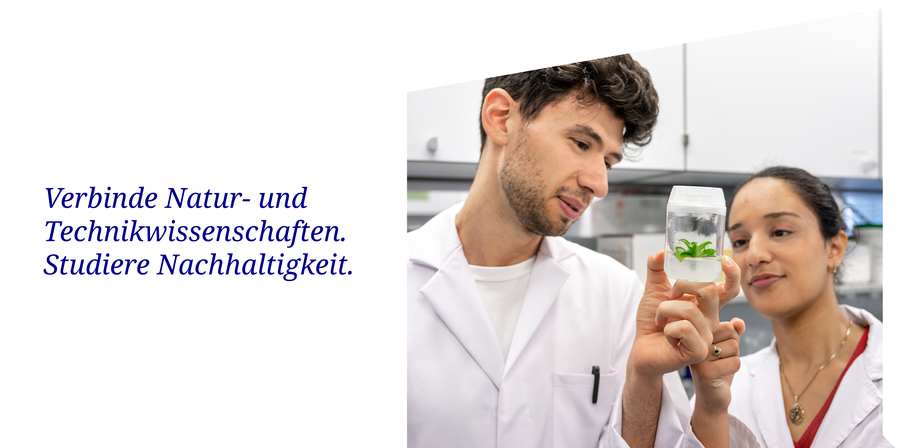
Im Bachelorstudium erwirbst du die grundlegenden Kenntnisse der Verfahrenstechnik und Naturstofftechnik in kompakter Form. Bereits im Studium spezialisierst du dich in einer Studienrichtung und setzt erste fachliche Schwerpunkte. Durch die kurze Vertiefungsphase bleibst du dabei flexibel. Der Bachelorabschluss ermöglicht dir sowohl einen frühen Berufseinstieg als auch den Übergang in weiterführende Masterstudiengänge.
Studienablaufplan_Verfahrenstechnik und Naturstofftechnik_Bachelor.pdf
Masterstudiengänge ab 2027/28
Ab dem Wintersemester 2027/28 entstehen drei konsekutive Masterstudiengänge zur Auswahl, mit denen du dein Fachwissen nach dem Bachelor gezielt vertiefen und dich in unterschiedlichen Anwendungsfeldern spezialisieren kannst:
- Chemieingenieurwesen und Verfahrenstechnik (M.Sc.)
Forschungsorientierter Master mit Fokus auf chemische Prozesse, Verfahrenstechnik und deren Weiterentwicklung für Industrie und nachhaltige Anwendungen. - Lebensmitteltechnologie (M.Sc.)
Anwendungsorientierter Master rund um die Entwicklung, Herstellung und Qualität von Lebensmitteln sowie moderne Produktionsprozesse in der Lebensmittelindustrie. - Biochemical Engineering (M.Sc.)
Forschungsorientierter Master an der Schnittstelle von Biologie, Chemie und Verfahrenstechnik – mit Fokus auf biotechnologische Prozesse und Anwendungen.
Alle drei Studiengänge bieten dir eine fundierte wissenschaftliche Ausbildung mit starkem Praxisbezug und bereiten dich auf Tätigkeiten in Forschung, Entwicklung und Industrie vor.
Diplomstudium (10 Semester)
Das Diplomstudium folgt dem klassischen ingenieurwissenschaftlichen Ausbildungsmodell. Nach einer breit angelegten Grundlagenphase vertiefst du dich über mehrere Semester in einer Studienrichtung und entwickelst ein klares fachliches Profil. Ein zentraler Bestandteil des Studiums ist das Fachpraktikum im 7. Fachsemester, das du außerhalb der Universität absolvierst. Dabei sammelst du praktische Erfahrungen im industriellen Umfeld und wendest dein Wissen direkt auf reale Aufgabenstellungen an. Der Abschluss Diplom-Ingenieur ist international anerkannt und in seiner Qualifikation einem Masterabschluss gleichgestellt.
Studienablaufplan_Verfahrenstechnik und Naturstofftechnik_Diplom.pdf
Diplom-Aufbaustudium (5 Semester)
Das Diplom-Aufbaustudium richtet sich an Absolvent verwandter Ingenieurstudiengänge, die ihr fachliches Profil erweitern oder neu ausrichten möchten. Mit der Wahl einer Studienrichtung vertiefst du dein Wissen gezielt und entwickelst ein spezialisiertes fachliches Profil bis zum Abschluss Diplom-Ingenieur.
Weitere rechtlich verbindliche Informationen und Bedingungen zum Studiengang, wie z. B. Studienvoraussetzungen oder Bewerbungsfristen findest du im zentralen Studieninformationssystem (SINS).
Grundstudium (1.-4. Semester)
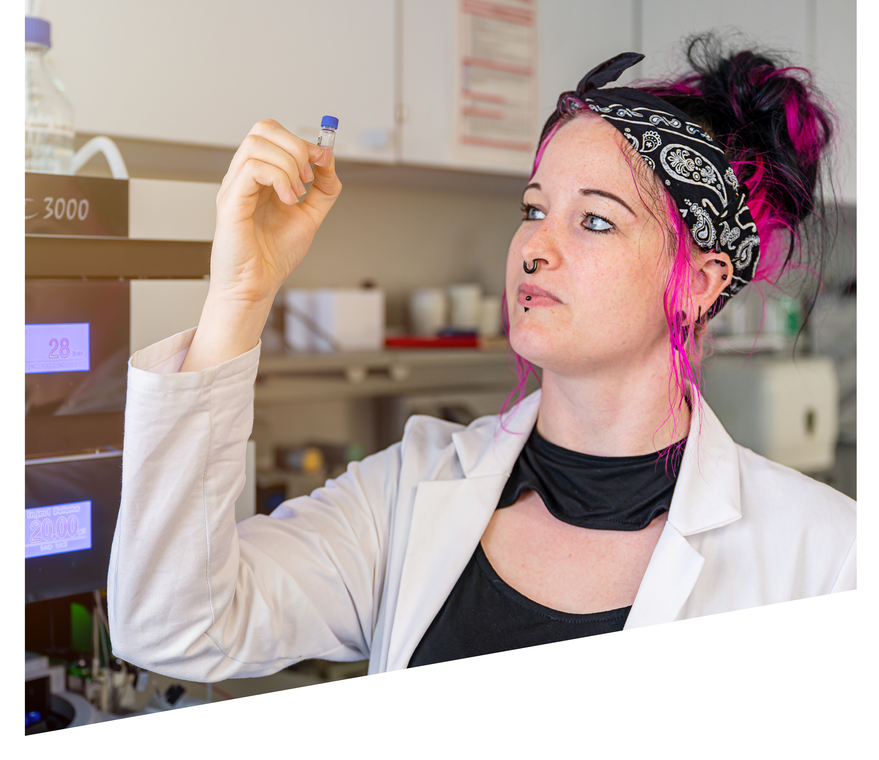
Ob Bachelor oder Diplom – in den ersten vier Semestern erwirbst du die mathematisch-naturwissenschaftlichen, ingenieurwissenschaftlichen und allgemeinen Grundlagen der Verfahrenstechnik und Naturstofftechnik. Pflichtmodule behandeln unter anderem Themen wie Verfahrenstechnik und Naturstofftechnik, Mathematik, Chemie, Mess- und Automatisierungstechnik, Informatik sowie Betriebswirtschaft.
Hauptstudium
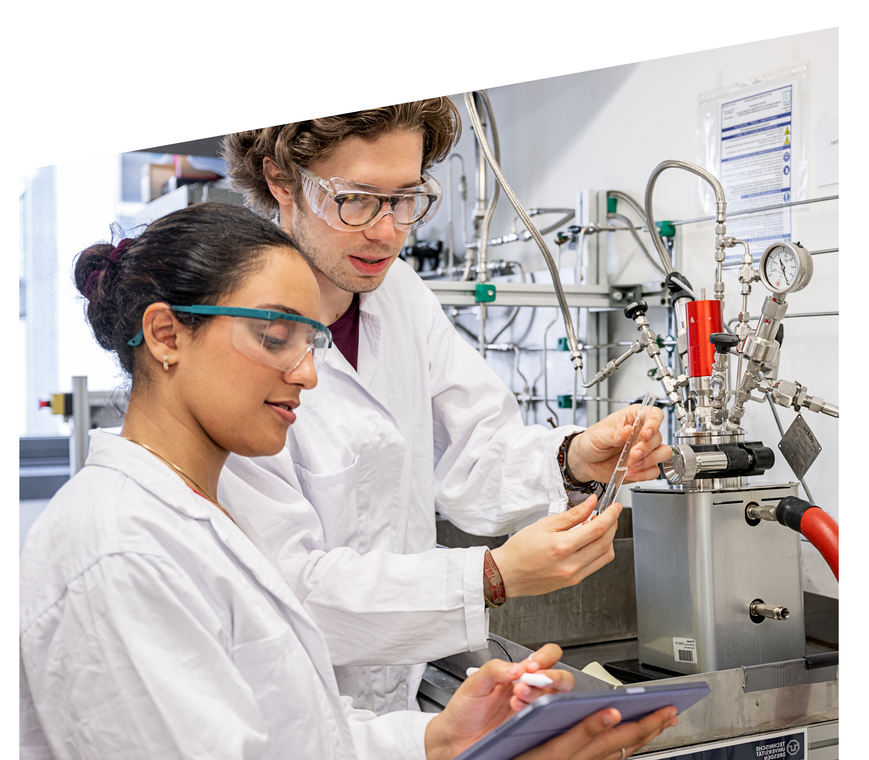
Im zweiten Teil des Studiums verbindest du die Grundlagen mit einer anwendungsorientierten Vertiefung. Ab dem 5. Semester wählst du eine von fünf Studienrichtungen und entwickelst dein individuelles fachliches Profil. Das Pflichtprogramm im 5. bis 9. Semester (Diplom) beziehungsweise im 5. Semester (Bachelor) wird durch Wahlmodule ergänzt, die du entsprechend deiner Interessen aus einem Fächerkatalog auswählen kannst.
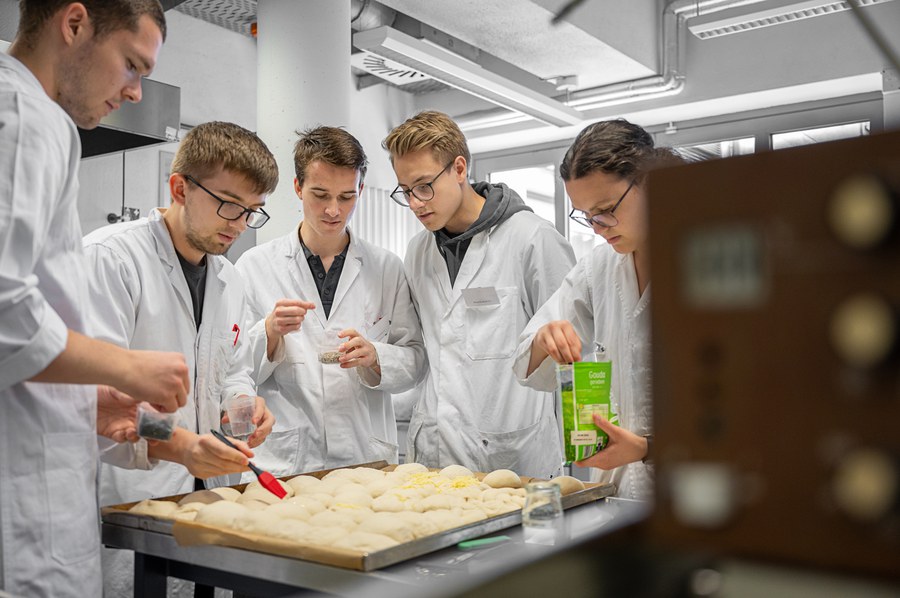
Die Lebensmitteltechnik befasst sich mit allen verarbeitungs- und verfahrenstechnischen Vorgängen, mit denen landwirtschaftliche Rohstoffe nachhaltig zu genussfähigen und sicheren Lebensmitteln umgewandelt werden. Dies erfordert Ingenieur:innen mit technischen know-How auf dem Gebiet der Lebensmittelverfahrenstechnik aber auch naturwissenschaftliche Kompetenzen. Bei der Planung, Umsetzung und Überwachung erforderlicher Verfahren und Prozesse bedarf es ein fundiertes Wissen über die spezifischen Eigenschaften der Rohstoffe, der Zwischenprodukte und der am Ende der Wertschöpfungskette stehenden Lebensmittel.
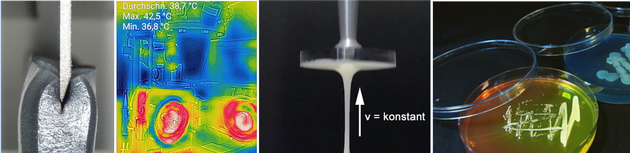
Neben allgemeinen verfahrenstechnischen Inhalten werden den Studierenden spezifische Kenntnisse zur Lebensmittelchemie, Lebensmittelmikrobiologie und -hygiene sowie zu den für die Lebensmittelproduktion erforderlichen Verfahren und Prozessen und deren technischer Umsetzung vermittelt. Nach persönlichen Interessen und Neigungen können die Studierenden sich zudem durch individuelle Modulwahl spezialisieren. Hierzu zählen Biochemie und Ernährungsphysiologie, Qualitätssicherung und Lebensmittelsensorik, Lebensmittelrheologie, Anlagen- und Sicherheitstechnik, Getränketechnologie und Lebensmittelzusatzstoffe sowie Reinigungstechnik, Betriebshygiene und Verpackung von Lebensmitteln.
Die Studienrichtung ist besonders für Studierende geeignet, die nach einer Verbindung von naturwissenschaftlichen und technischen Inhalten mit starkem Alltagsbezug suchen. Absolvent:innen der Lebensmitteltechnik werden vor allem in produzierenden Betrieben der Lebensmittelindustrie beschäftigt, wo sie verschiedenste Aufgaben wie Forschung und Entwicklung, Verfahrens- und Produktentwicklung, sowie in der Produktionsüberwachung und im Qualitätsmanagement übernehmen.
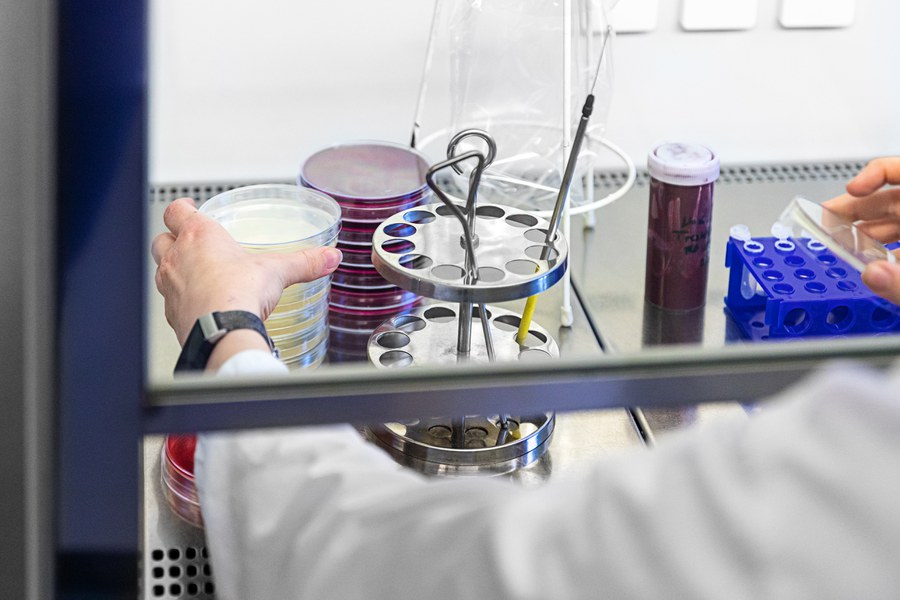
Die Verfahrenstechnik (Process Technology, Chemical Engineering) befasst sich als ingenieurwissenschaftliche Querschnittsdisziplin mit der industriellen Umwandlung von Stoffen oder Stoffgemischen, wie z. B. organische oder anorganische Rohstoffe, Baustoffe, Lebensmittel, Abfallstoffe, Wasser oder Luft. Dabei kann die Stoffwandlung mit Hilfe physikalischer (thermischer oder mechanischer), chemischer oder biologischer Prozesse erfolgen.
In der Allgemeinen Verfahrenstechnik werden die vielfältigen Umwandlungsprozessen auf sogenannte "Grundprozesse" oder "unit operations" zurückgeführt, deren Abfolge ein Verfahren vom Rohstoff bis zum Endprodukt darstellt. Diese Grundprozesse werden zunächst losgelöst von den Produkten betrachtet und erforscht.
Auf der Basis von soliden naturwissenschaftliche und technischen Kenntnissen untersucht die Allgemeine Verfahrenstechnik insbesondere die Mikroprozesse der Stoffwandlung, die beispielsweise für die Abscheidung von feinsten Teilchen an und in Filtern, die Trocknung von feuchten Holzspänen, die Extraktion von Aromen aus Feststoffen, das Zermahlen von Getreidekörnern, das Einmischen von Farbpigmenten in Polymerwerkstoffen oder das Klassieren von Schleifkörpern nach ihrer Größe genutzt werden können. Diese Mikroprozesse werden in technischen Apparaten oder Maschinen (Rührkessel, Mühlen, Destillationskolonnen ) realisiert. Verfahrensingenieure lernen, diese Apparate zu dimensionieren, ressourceneffizient zu betrieben, messtechnisch zu überwachen, in Anlagen miteinander zu verschalten und automatisiert zu steuern.
Eine wesentliche Methode der Allgemeinen Verfahrenstechnik besteht darin, den jeweils konkreten Anwendungsfall zu abstrahieren, um die entwickelten Modellvorstellungen auf möglichst viele Anwendungen übertragen zu können. Aus Sicht von Verfahrensingenieur:innen besteht zwischen dem Schreddern von Bauschutt und dem Mahlen gerösteter Kaffeebohnen kein wesentlicher Unterschied. Gleiches gilt für die destillativen Zerlegung von Erdöl in Teer, Heizöle, Leichtbenzine etc. und der Destillation von Maische zur Herstellung von Whisky oder Bio-Ethanol.
Dieser fachübergreifende Ansatz eröffnet den Absolvent:innen der Allgemeinen Verfahrenstechnik ein breites Spektrum an beruflichen Einsatzfeldern (Forschung, Verfahrens- und Produktentwicklung, Produktionsüberwachung, Anlagenplanung, Anlagensteuerung, Qualitätsmanagement) in vielen unterschiedlichen Industriezweigen (z. B. Pharmazie, Kosmetikbranche, Pigmentindustrie, Großchemie, Papiertechnik). In den Vertiefungsfächern können sie darüber hinaus spezielle Kompetenzen u. a. in der Prozessautomatisierung, der Recyclingtechnik, der Produktentwicklung oder der Partikeltechnologie erwerben.
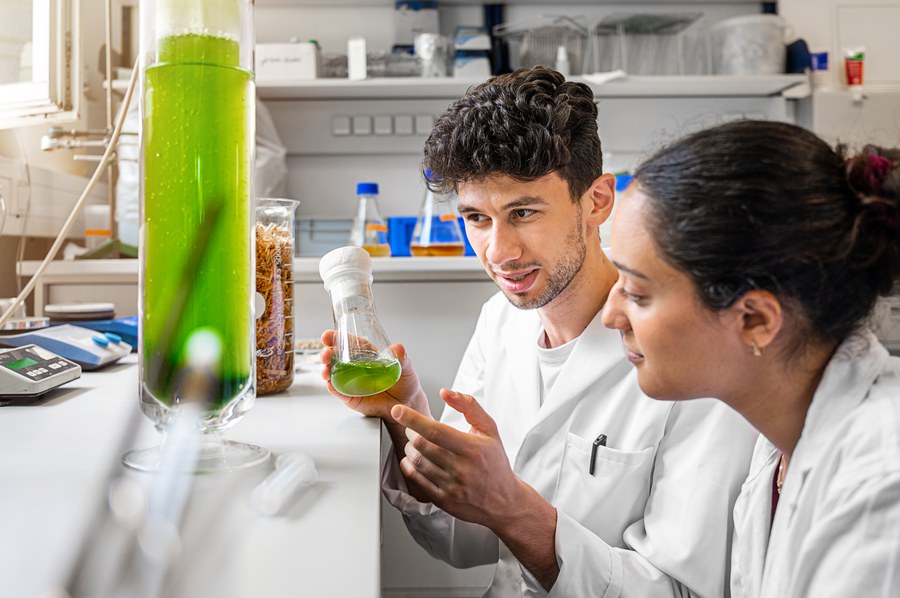
Bioverfahrenstechnik, Bioingenieurwesen und Industrielle Biotechnologie sind Synonyme für die Wissenschaftsdisziplin, die sich mit der Durchführung von biologischen Stoffwandlungen in industriellen Verfahren beschäftigt. Dabei steht die nachhaltige Produktion von chemischen Wertstoffen aus nachwachsenden Rohstoffen oder Abfallströmen im Vordergrund.
Die Bioverfahrenstechnik befindet sich an der Schnittstelle von Biologie und Technikwissenschaften. Neben allgemeinen verfahrenstechnischen Inhalten werden den Studierenden Kenntnisse vermittelt, welche für die Entwicklung und Optimierung von biotechnischen Herstellungsverfahren unter Einsatz von Mikroorganismen, isolierten pflanzlichen und tierischen Zellen sowie Enzymen notwendig sind.
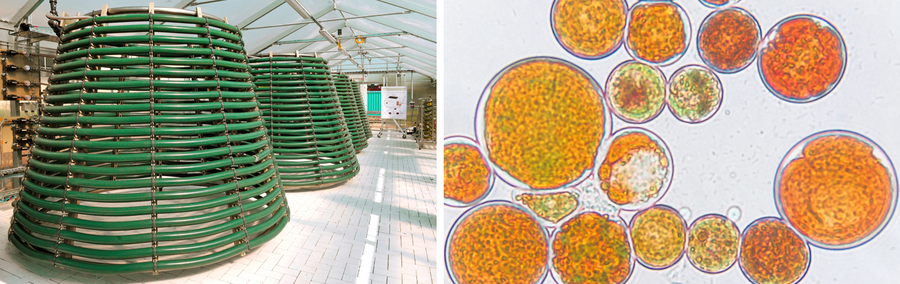
Algenbioreaktor und Algenzellen (Haematococcus pluvialis) mit rotem Farbstoff Astaxanthin
Je nach Neigung können die Studierenden in ihrem Studienprogramm verschiedene Schwerpunkte setzen. Sie können Fächer wählen, in denen die apparatetechnische Auslegung und Automatisierung von biotechnischen Verfahren im Vordergrund stehen. Alternativ oder ergänzend können sie sich auf Inhalte konzentrieren, die für die Optimierung von mikrobiellen Produktionsstämmen durch gezieltes metabolic engineering notwendig sind.
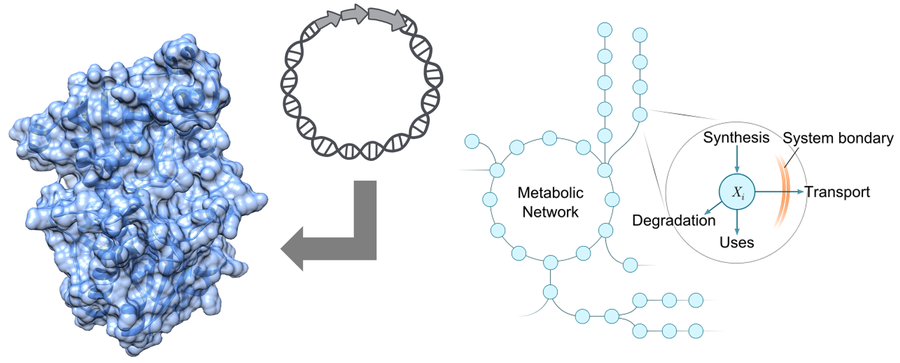
3D-Modell eines Enzyms und metabolisches Netzwerk
Die Studienrichtung ist besonders für Studierende geeignet, die nach einer Verbindung von biologischen und technischen Inhalten suchen. Absolventen der Bioverfahrenstechnik werden vor allem in der (Bio)chemischen Industrie sowie in der Pharmaindustrie beschäftigt, wo sie Ergebnisse der biologischen Grundlagenforschung in industrielle Verfahren übersetzen.
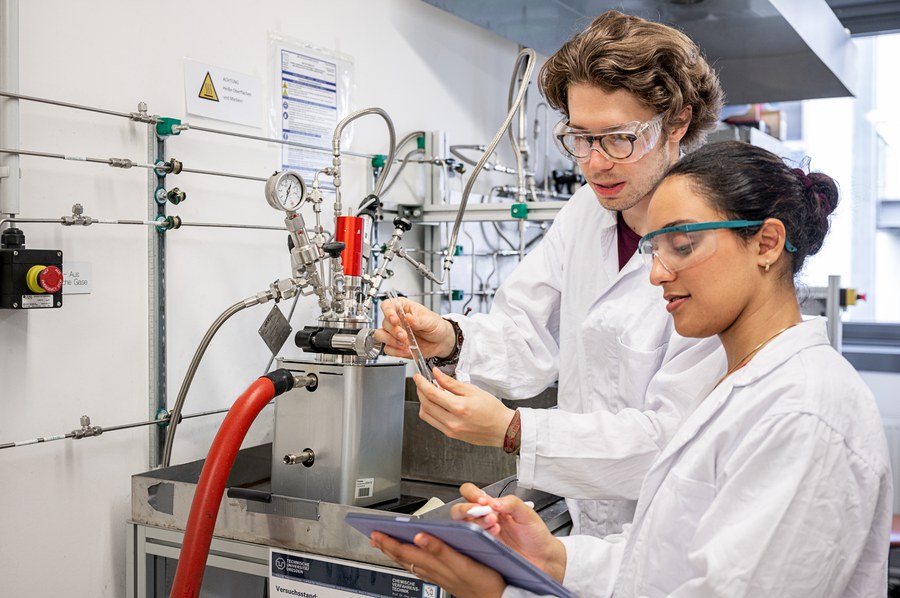
Chemie-Ingenieurtechnik, Chemieingenieurwesen bzw. im englischsprachigen Sprachraum Chemical Engineering sind Synonyme für die Wissenschaftsdisziplin an der Schnittstelle zwischen der Naturwissenschaft und dem Ingenieurwesen, die sich auf Prozesse und Anlagen fokussiert, in denen Stoffe nach Art, Eigenschaft und/oder Zusammensetzung, z.B. mit Hilfe von Katalysatoren, verändert werden. Die Prozesse und Anlagen dienen der Gewinnung vielfältigster Materialien und Wertstoffe aus konventionellen und nachwachsenden Rohstoffen sowie anfallenden Abfallstoffen für verschiedenste Industriezweige. Die Spannbreite reicht dabei von A wie Agrarwirtschaft bis Z wie Zementindustrie.
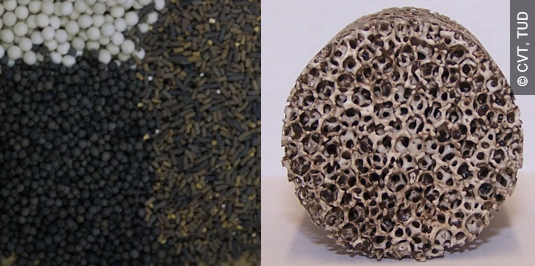
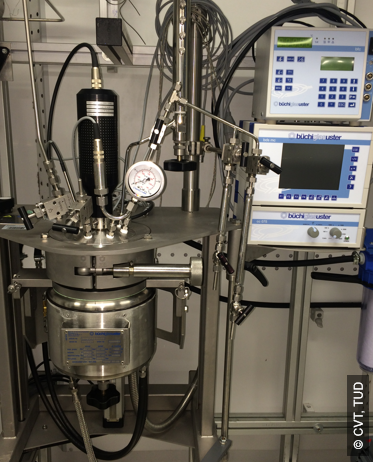
Studierende der Chemie-Ingenieurtechnik beschäftigen sich während des Studiums intensiv mit chemischen Grundlagen und Prozessen in der Stoffumwandlung, Stofftrennung und Stoffvereinigung nach chemischen, mechanischen und thermischen Wirkprinzipien. Neben allgemeinen ingenieurwissenschaftlichen und speziellen verfahrenstechnischen Inhalten werden in Vorlesungen, Übungen und umfangreichen Laborpraktika speziell auch Kenntnisse vermittelt und Kompetenzen entwickelt, welche für die Entwicklung und Optimierung von chemischen Synthesen und zugehörigen Trennoperationen notwendig sind. Je nach Neigung können Studierende in Ihrem Studienprogramm verschiedene Schwerpunkte setzen. Sie können sich material- und prozessbezogenes Spezialwissen für verschiedene Industriezweige aneignen als auch alternativ oder ergänzend Schwerpunkte in den thermodynamischen Grundlagen oder in den Phänomenen an Partikeln und Phasengrenzflächen setzen.

Die Studienrichtung ist besonders für Studierende geeignet, die eine Kombination von Technik mit Naturwissenschaft und insbesondere Chemie suchen. Im Beruf erforschen Absolventen der Chemie-Ingenieurtechnik neue Prozesse und Verfahren zur Erzeugung vielfältiger Materialien, Wert- und Wirkstoffe, planen und realisieren zugehörige Produktionsanlagen und betreiben, überwachen und optimieren diese. Neben der Chemie- und Pharmaindustrie werden die erworbenen Kompetenzen schwerpunktmäßig auch in der Kosmetik- und Pflegemittelindustrie sowie in der Umwelt-, Energie- und Halbleitertechnik als auch im Apparate- und Anlagenbau benötigt. Absolventen der Chemie-Ingenieurtechnik finden damit herausfordernde und zukunftssichere Anstellungen in fast allen Branchen der Industrie und leisten einen unverzichtbaren Beitrag zur Entwicklung einer nachhaltigen industriellen Produktion.
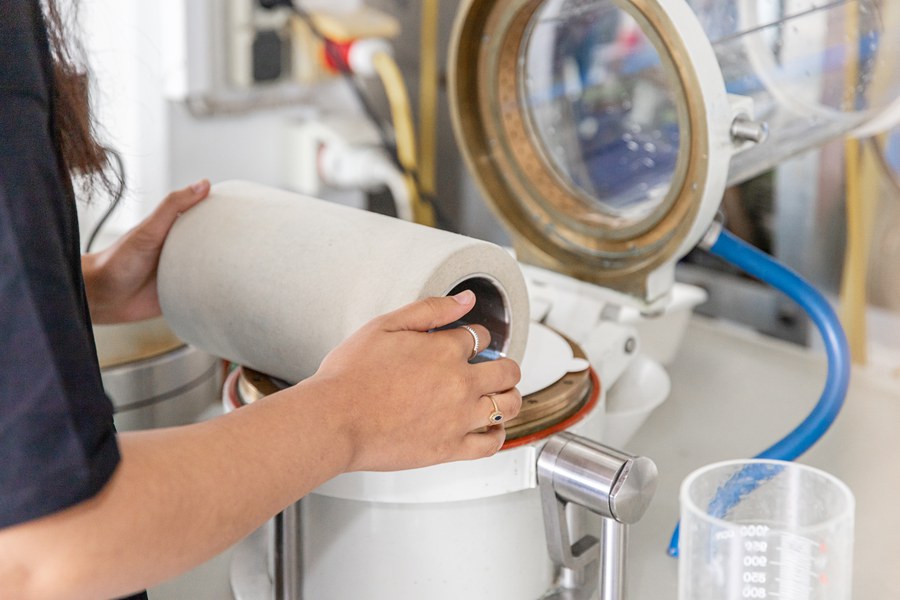
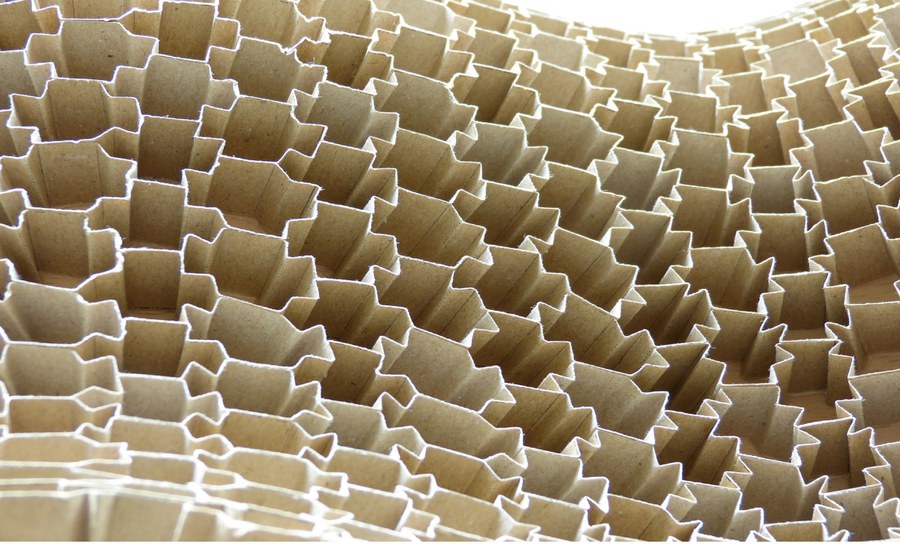
Die Holztechnik und Faserwerkstofftechnik umfasst drei Hauptschwerpunkte: Holztechnik behandelt den anatomischen bzw. chemischen Aufbau, physikalische Eigenschaften, technische Nutzung und Verarbeitung des Rohstoffs Holz. Faserwerkstofftechnik widmet sich der Gewinnung, Modifizierung und Verarbeitung von allgemein pflanzlichen Fasern zu Werkstoffen. Papiertechnik wiederum ist das Fachgebiet für Erzeugung und Aufbereitung von Papierfaserstoffen und deren Veredlung. Mit dem zunehmenden Ausbau einer nachhaltigen und auf natürlichen Ressourcen basierenden Wirtschaft, der Bioökonomie, werden dafür immer neue Felder erschlossen: Holz ist die mit Abstand größte biobasierte Rohstoffquelle zur Nutzung in Produkten aller Art.
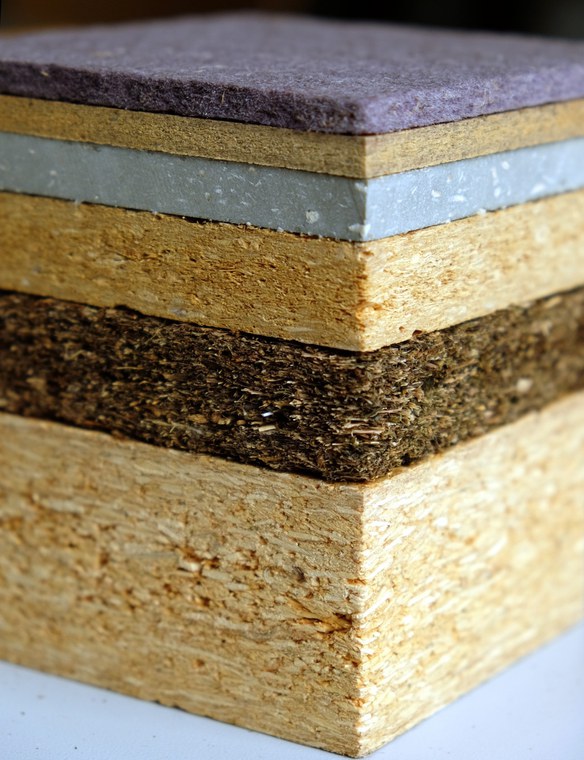
Die Holztechnologie geht dabei weit über handwerklich geprägte Lehrberufe hinaus, um das Potenzial holzbasierter Werkstoffe in technischen Industriezweigen nachhaltig zu erschließen. Individuelle Interessen können durch eine breite Auswahl an studienbegleitenden wissenschaftlichen Projektarbeiten verfolgt werden. Darüber hinaus ist die Anstellung als studentische Hilfskraft eine oft wahrgenommene Gelegenheit, Erfahrung im Labor und mit dem Stand der vielfältigen Forschung zu sammeln.
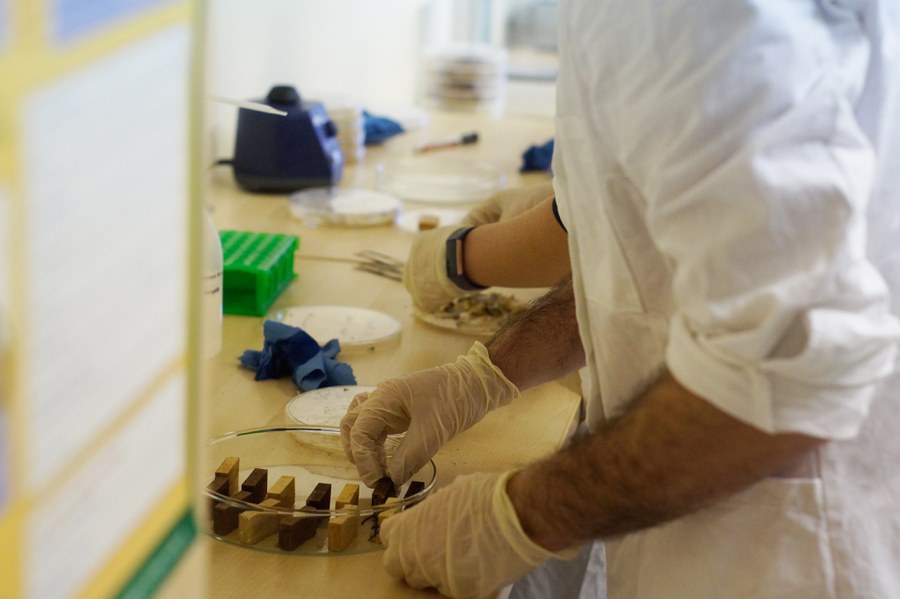
Unsere Absolvent:innen arbeiten in allen holzverarbeitenden Industrien, d.h. insbesondere der Möbelindustrie, der Zellstoff- und Papierindustrie sowie in Unternehmen, die Maschinen und Chemikalien für die Verarbeitung von Holz und Kompositwerkstoffen aus Naturfasern herstellen.
Fach- und Forschungspraktika im Diplomstudiengang (7. Semester) sowie Module zur allgemeinen und fachübergreifenden Qualifikation – beispielsweise aus den Geistes- oder Wirtschaftswissenschaften – unterstützt dich dabei, deine fachliche Ausrichtung weiter zu schärfen und dich im Studium gezielt zu orientieren. Das Studium schließt im 10. Semester mit der Anfertigung der Diplomarbeit beziehungsweise im 6. Semester mit der Anfertigung der Bachelorarbeit ab.
Einschreibung (NC-frei)

Verfahrenstechnik und Naturstofftechnik an der TU Dresden - Themen und Zukunftsperspektiven
Josi, Studentin in der Verfahrenstechnik und Naturstofftechnik - Portrait und Q&A
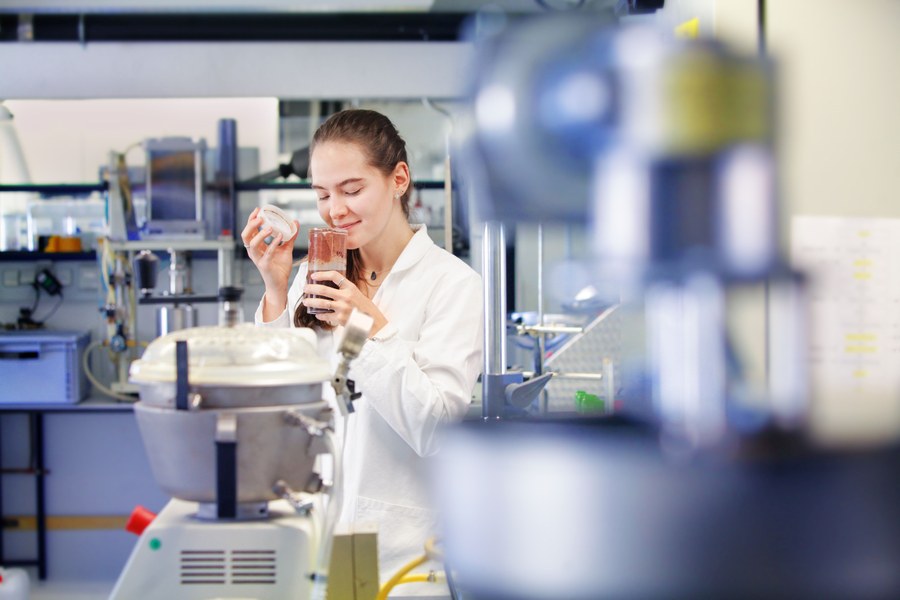
Josi studiert Verfahrenstechnik und Naturstofftechnik in der Studienrichtung Lebensmitteltechnik. Im Portrait verrät sie was sie an der Fachrichtung begeistert und wie die Flexibilität des Studiengangs dir dabei verhelfen wird, die richtige Studienrichtungswahl zu treffen.
Uni-Vlog - Begleite Toni in Ihrem Studiumsalltag
Studieren ist ein Vollzeitjob? Nicht bei Toni! Neben ihrem Studium der Verfahrens- und Naturstofftechnik an der TU Dresden ist sie auch noch Herausgeberin des Magazins queerdinx für queere Menschen. ✍️🏳️🌈 Für ihr Engagement hat sie auch das Deutschlandstipendium erhalten! Im neuen Uni-Vlog gibt sie uns einen Einblick in ihren bunten Alltag aus Mensa, Laborgeräten und Kinobesuch.
© Protagonistin und Dreh: Antonia Xenodochius Schnitt: Peggy Rudolph, Carola Queitsch
Verfahrenstechnik studieren: Zwischen Reaktorbau und Laboranalyse! | alpha Uni
Matti Lehmann studiert im 8. Semester Verfahrenstechnik und Naturstofftechnik an der TU Dresden. Sein Ziel nach dem Studium: Produktionsverfahren nachhaltig entwickeln und gestalten. ARD apha Uni hat Matti im Studienalltag begleitet. Im Video gibt er Einblicke in sein Laborpraktikum, in die familiäre Atmosphäre während Vorlesungen und Übungen sowie in den Bau eines Bioreaktors für eine Seminararbeit.
Verfahrenstechnik studieren: Zwischen Reaktorbau und Laboranalyse! | alpha Uni © ARD Alpha Uni
"Schon immer entfaltete ich mich gerne kreativ in der Küche. Pralinen, Torten, Brot und Joghurt - selbst gemacht schmeckt nicht nur besser, es machte mir auch seit jeher Spaß, mich dahingehend zu verwirklichen. Doch ich wollte mehr. Mehr wissen, zum Beispiel wie gefüllten Pralinen, für die ich Stunden brauche, zu tausendfach pro Stunde hergestellt werden können. Mehr verstehen, warum Milch flüssig, der Joghurt aber fest ist. Doch will ich mich ein Leben lang mit Lebensmitteln beschäftigen oder ist das nur eine Phase? Nach dem Abi war ich mir da nicht so sicher. Die TU Dresden bietet mit dem Studiengang Verfahrenstechnik und Naturstofftechnik einen sehr flexiblen Studiengang. Die ersten vier Semester hat man Zeit, sich mit allgemeinen Ingenieurfächern zu beschäftigen und in die verschiedensten Richtungen, wie z.B. Biotechnologie, Holz- und Fasertechnik oder Lebensmitteltechnologie hineinzuschnuppern, bevor man sich für eine der Richtungen entscheidet. Mit meiner Wahl, mich auch weiterhin mit Lebensmitteln zu beschäftigen, bin ich sehr glücklich. An der Professur für Lebensmitteltechnik werden nicht nur grundlegende Verfahren vermittelt, sondern auch das, was hinter den Vorgängen steckt. Natürlich spielt die Praxis dabei eine große Rolle. Viele Exkursionen, Praktika und Verkostungen machten das Lernen leichter. Auch die aktuelle Forschung kommt nicht zu kurz. Vor allem die ganzheitliche Verwendung und somit Ressourcenschonung und Entwicklung neuer Einsatzmöglichkeiten von Lebensmitteln ist ein wichtiges Thema".
Mehr zum Studiengang und zu -inhalten verrät sie im Video.
Absolventenportrait Johannes Boenke (Abschluss 2022)
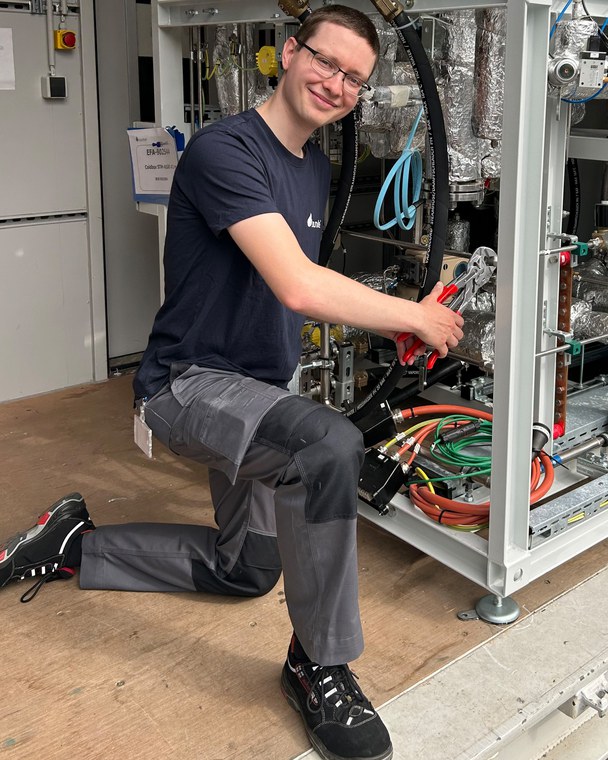
1. In welcher Position arbeiten Sie und wie sieht Ihr Arbeitsalltag aus?
Als Ingenieur beim Dresdener Anlagenbau-Unternehmen Sunfire bin ich in der Vorentwicklung von Elektrolyseuren zur Wasserstoffproduktion beteiligt. Die Tätigkeiten sind vielfältig und decken theoretische und praktische Aufgaben ab. An einem Tag erarbeite ich neue Regelungskonzepte oder führe verfahrenstechnische Berechnungen durch. An anderen Tagen arbeite ich an einem unserer Teststände zur Überprüfung der theoretischen Vorbetrachtungen. Und wieder an einem anderen Tag begleite ich eine Inbetriebnahme und sehe stolz, wie meine Ideen aus der Vorentwicklung in einer funktionierenden Produktionsanlage umgesetzt wurden.
2. Was fasziniert Sie an Ihrer Arbeit?
Es fasziniert mich, dass die Lösung technischer Herausforderungen im Team stets am besten funktioniert. Mit den Kollegen wird über mögliche Lösungsansätze diskutiert. Für die Umsetzung der besten Vorschläge hat man wiederum mit anderen internen Gewerken zu tun, z.B. der Fertigung oder den Teststandsverantwortlichen. Wenn am Ende ein Lösungsansatz erfolgreich entwickelt werden kann, ist das ein gutes Gefühl. Über allem schwebt auch immer die Faszination, mit der Wasserstofferzeugung an einer der entscheidenden Zukunftstechnologien mitarbeiten zu können.
3. Von welchen Erfahrungen aus dem Studium der Verfahrenstechnik und Naturstofftechnik haben Sie in Ihrem Beruf am meisten profitiert?
Die praktischen Arbeiten zum Fachpraktikum und zur Diplomarbeit haben mich sehr geprägt, da man auf das Lösen von Problemen aus der Industrie vorbereitet wird. In den vorlesungsbegleitenden Übungen sind für Rechenaufgaben alle erforderlichen Größen bekannt. Im Fachpraktikum lernt man, sich die erforderlichen Größen selbst zusammenzusuchen oder plausible Annahmen zu treffen, um am Ende eine erfolgreiche Berechnung abschließen zu können. Nebenbei lernt man Prozesse in Unternehmen kennen und merkt, ob die Branche einen interessiert.
4. Hatten Sie während Ihres Studiums ein bestimmtes Berufsziel? Wie hat sich Ihr Werdegang im Vergleich dazu entwickelt?
Nach dem Abitur wusste ich noch nicht, wohin es mich verschlagen sollte. Im maschinenbaulastigen Grundstudium interessierte ich mich insbesondere für die Automobilindustrie und sah meine Zukunft dort. Durch die Vorlesungen im Hauptstudium und mein Fachpraktikum bei der IBU-tec Weimar habe ich dann allerdings die Liebe zur Verfahrenstechnik entdeckt. Vor dem Hintergrund der großen Herausforderung einer zu decarbonisierenden Wirtschaft absolvierte ich Forschungspraktikum und Diplomarbeit in der Wasserstoffbranche, die mich immer noch in Ihrem Bann hält. Rückblickend war es kein geradliniger Weg, aber einer, aus dem ich viele verschiedene Erfahrungen mitnehmen konnte.
5. Was würden Sie Studierenden für den Berufseinstieg mit auf den Weg geben?
Lasst euch einfach darauf ein. In den ersten Monaten sammelt man sehr viele neue Eindrücke. Ihr seid zwar der Neuling, aber nutzt das als Chance, um Fragen zu stellen und euch auszuprobieren. Zermürbt euch nicht an zu hohen Ambitionen – ihr habt noch ein ganzes Arbeitsleben vor euch.
Und ganz wichtig: Behaltet den Kontakt zu euren Kommilitonen. Die geschlossenen Freundschaften und gemeinsame Treffen sind insbesondere nach dem Studium noch viel mehr wert.
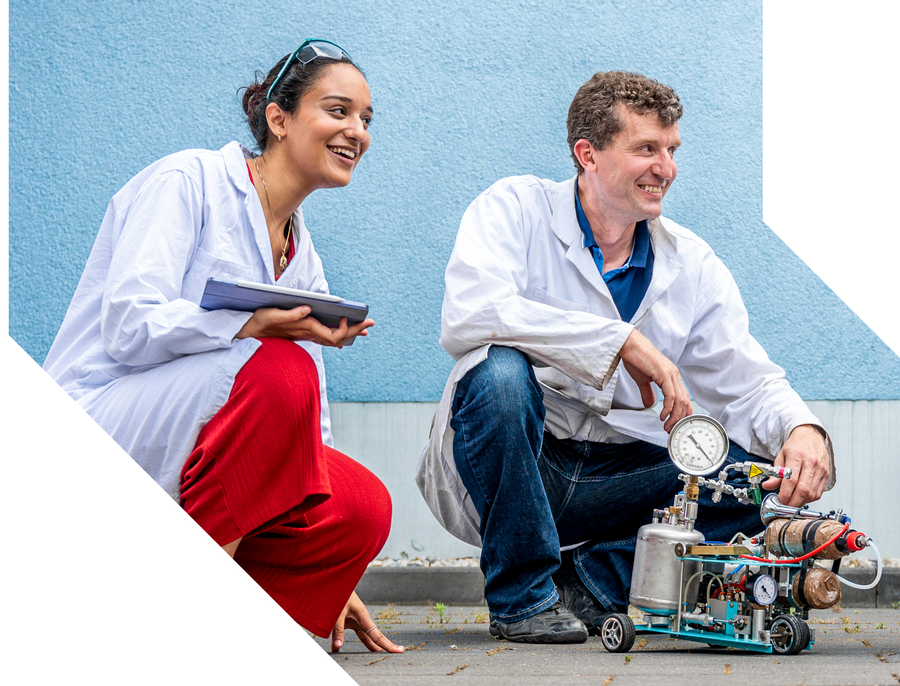
Die Verfahrenstechnik ermöglicht die industrielle Umwandlung von CO2 zu synthetischen Kraftstoffen, Milch zu Quark oder Melasse zu biologisch abbaubaren Kunststoffen. Sie spielt in fast allen Bereichen unseres alltäglichen Lebens eine bedeutende Rolle, sei es bei der Herstellung von Lebensmitteln, Textilien, Medikamenten oder bei der immer wichtiger werdenden Energieerzeugung durch nachwachsende Rohstoffe. Verfahrenstechnik ist eine Ingenieurwissenschaft für Allrounder, die sich mit der physikalischen, chemischen und biologischen Stoffumwandlung in industriellen Prozessen beschäftigt. Die Naturstofftechnik konzentriert sich dabei auf die Nutzung von erneuerbaren Ressourcen, beispielsweise Holz, pflanzliche Faserstoffe oder Mikroorganismen.
Sowohl in der Verfahrenstechnik als auch in der Naturstofftechnik stehen technische
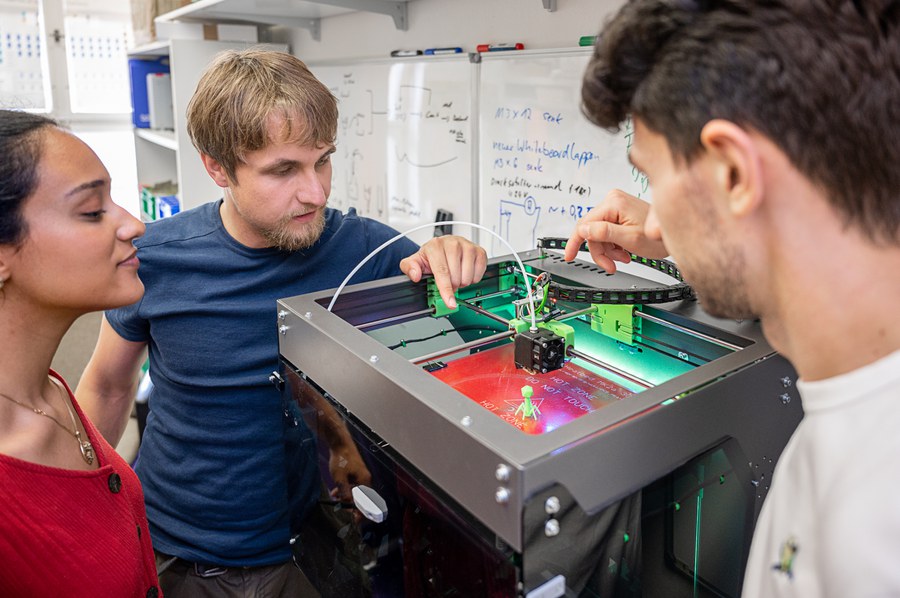
Prozesse im Fokus, in denen aus einem Rohmaterial ein neues Produkt geschaffen wird. Wie alle Bereiche unseres täglichen Lebens, ist auch die Verfahrenstechnik einer immer stärkeren Digitalisierung unterworfen. In den Ausbildungsinhalten wird diese Entwicklung durch die verstärkte Vermittlung von Kenntnissen in der computergestützten Auslegung und Simulation von industriellen Prozessen berücksichtigt.
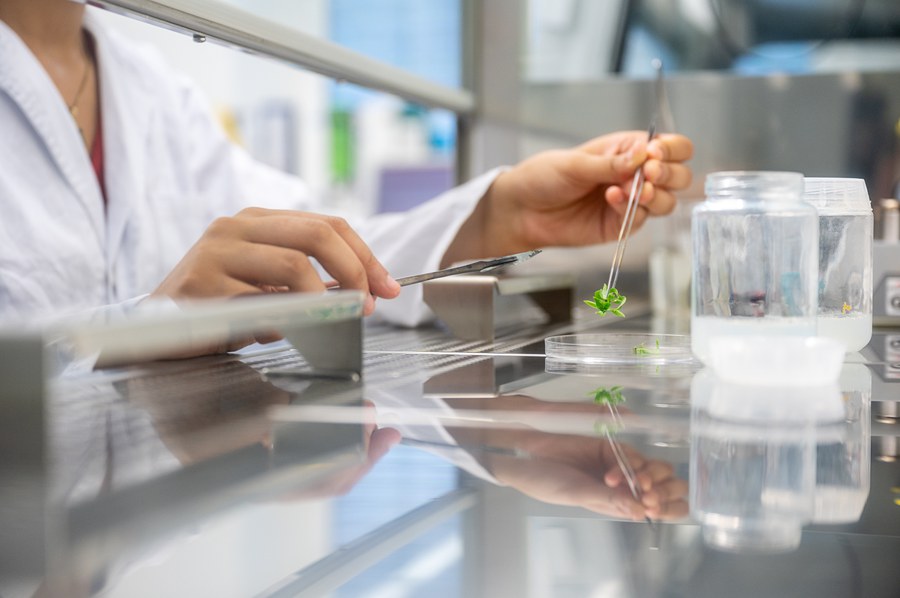
Absolvent:innen des Studiengangs Verfahrenstechnik und Naturstofftechnik der TU Dresden haben dank ihrer fundierten ingenieurwissenschaftlichen Ausbildung vielfältige Einsatzmöglichkeiten in der Forschung und allen Bereichen der Industrie. Sie entwickeln industrielle Verfahren zur Stoffumwandlung, legen Produktionsanlagen aus und überwachen deren Betrieb. Sie kommen bei der Entwicklung neuer Produkte aus Naturstoffen zum Einsatz und übernehmen Aufgaben im Bereich des Managements und der Qualitätssicherung. Das zukünftige Wohlergehen unsere Gesellschaft kann nur durch nachhaltiges industrielles Wirtschaften sichergestellt werden. Unsere Absolvent:innen leisten hierzu einen entscheidenden Beitrag durch die Entwicklung von ressourcenschonenden, hocheffizienten industriellen Prozessen und Produkten auf Basis nachwachsender Rohstoffe.
Verfahrenstechniker und Verfahrenstechnikerinnen finden Beschäftigung zum Beispiel hier:
- Chemieindustrie
- Pharmaindustrie
- Kosmetikindustrie
- Nahrungs- und Genussmittelindustrie
- Kunststoff- und Gummiindustrie
- Holz-, Papier-, Farben- und Lackindustrie
- Umwelttechnik
- Energietechnik
- Anlagen- und Apparatebau
- Automobilindustrie
- Medizintechnik
- Forschung und Entwicklung


Das Ausbildungs- und Forschungsprogramm der Dresdner Verfahrenstechnik und Naturstofftechnik wird durch folgende Professuren & Arbeitsgruppen getragen:
Professur für Agrarsystemtechnik
Professur für Bioverfahrenstechnik
Professur für Chemische Verfahrens- und Anlagentechnik
Professur für Holztechnik und Faserwerkstofftechnik
Professur für Lebensmitteltechnik
Professur für Energieverfahrenstechnik
Professur für Technologie produktiver Biofilme
Professur für Verarbeitungsmaschinen / Verarbeitungstechnik
Professur für Bildgebende Messverfahren für die Energie- und Verfahrenstechnik
Professur für Transportprozesse an Grenzflächen
Arbeitsgruppe Papiertechnik
Arbeitsgruppe Systemverfahrenstechnik
AG Mechanische Verfahrenstechnik
Unsere Kompetenz reicht von der Nutzung von Naturstoffen für die Herstellung nachhaltige Produkte und Lebensmittel, über klassische Themen der (bio)chemischen und mechanischen Verfahrenstechnik bis zur Nutzung moderner Informationstechnologien für die Digitalisierung von Produktionsprozessen. Durch die Mitarbeit an unseren Forschungsthemen haben die Studierenden frühzeitig die Möglichkeit, Praxiserfahrung zu sammeln und mit gesellschaftlich und technisch hochrelevanten Themen in Berührung zu kommen.
Bewertungen des Studiengangs
Wie zufrieden sind Studierende im Studiengang Verfahrenstechnik und Naturstofftechnik? Unabhängige Bewertungen des Studiengangs bietet Studycheck.de
Studienfachberatung Verfahrenstechnik und Naturstofftechnik
Du hast konkrete Fragen zum Studiengang Verfahrenstechnik und Naturstofftechnik, zu Studienaufbau oder inhaltlichen Schwerpunkten? Die Fachberatung unterstützt dich bei detaillierten Fragen rund um das Studium und hilft dir dabei, herauszufinden, welcher Studienweg oder welche Studienrichtung zu dir passt.
 © Tobias Ritz
Studienfachberater
NameThomas Schön
Eine verschlüsselte E-Mail über das SecureMail-Portal versenden (nur für TUD-externe Personen).
Digitale Infoveranstaltungen im Bewerbungszeitraum
Darüber hinaus bieten unsere digitalen Infoveranstaltungen im Sommer eine kompakte zusätzliche Orientierung für alle, die sich mit ihrer Studienentscheidung an der Fakultät Maschinenwesen noch nicht endgültig festgelegt haben. Du erhältst in kurzer Form Einblicke in die Studiengänge und kannst direkt in den Austausch mit uns kommen – kompakt und ohne großen Aufwand. Das Angebot ergänzt die individuelle Studienfachberatung und ist als zusätzliche Orientierung für diejenigen gedacht, die sich vor ihrer Entscheidung noch ein klareres Bild machen möchten.
Noch unsicher bei der Studienwahl?
Wenn du dich generell mit der Entscheidung für ein Studium beschäftigst oder Unterstützung bei der Studienorientierung suchst, hilft dir die Zentrale Studienberatung der TU Dresden weiter. Hier kannst du unabhängig vom konkreten Studiengang Fragen zu Studienwahl, Bewerbung oder Entscheidungsfindung klären.